


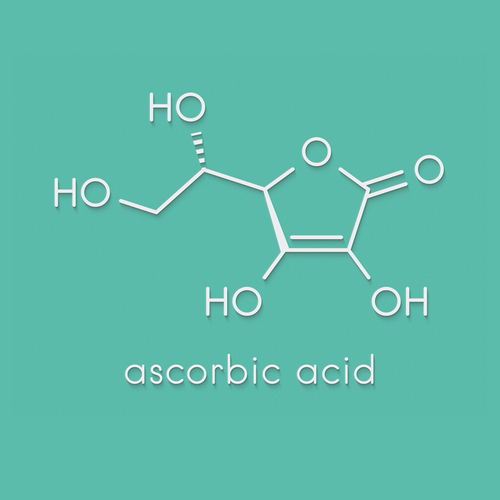
Background
Vitamin C is needed for the body to develop and function properly. It plays an important role in immune function. Most experts recommend getting vitamin C from the diet rather than taking supplements. Fresh oranges and fresh-squeezed orange juice are good sources.
Historically, vitamin C was used for preventing and treating scurvy. Today, people most commonly use vitamin C for preventing and treating the common cold. It's also used for autism, breast cancer, heart disease and many other conditions, but there is no good scientific evidence to support many of these uses. There is also no good evidence to support using vitamin C for COVID-19.
Safety Safety definitions
When applied to the skin: Vitamin C is likely safe for most people. It might cause irritation and tingling.
Special Precautions & Warnings:
Pregnancy and breast-feeding: Vitamin C is likely safe to take by mouth during pregnancy in amounts no greater than 2000 mg daily for those 19 years and older and 1800 mg daily for those 14-18 years old. Taking too much vitamin C during pregnancy can cause problems for the newborn baby. Vitamin C is possibly unsafe when taken by mouth in excessive amounts.Infants and children: Vitamin C is likely safe when taken by mouth appropriately. Vitamin C is possibly unsafe when taken by mouth in amounts higher than 400 mg daily for children 1-3 years, 650 mg daily for children 4-8 years, 1200 mg daily for children 9-13 years, and 1800 mg daily for adolescents 14-18 years.
Alcohol use disorder: People who regularly use alcohol, especially those who have other illnesses, often have vitamin C deficiency. These people might need to be treated for a longer time than normal to restore vitamin C levels to normal.
Cancer: Cancerous cells collect high concentrations of vitamin C. Until more is known, only use high doses of vitamin C under the direction of your oncologist.
Chronic kidney disease: Long-term kidney disease might increase the risk of vitamin C deficiency. Vitamin C supplements might also increase the amount of oxalate in the urine in some people. Too much oxalate in the urine can increase the risk of kidney failure in people with kidney disease.
A metabolic deficiency called "glucose-6-phosphate dehydrogenase" (G6PD) deficiency: Large amounts of vitamin C can cause red blood cells to break in people with this condition. Avoid excessive amounts of vitamin C.
Kidney stones: Large amounts of vitamin C can increase the chance of getting kidney stones. Do not take vitamin C in amounts greater than those found in basic multivitamins.
Smoking and chewing tobacco: Smoking and chewing tobacco lowers vitamin C levels. People who smoke or chew tobacco should consume more vitamin C in the diet.
Effectiveness
- Vitamin C deficiency. Taking vitamin C by mouth or injecting it as a shot prevents and treats vitamin C deficiency, including scurvy. Also, taking vitamin C can reverse problems associated with scurvy. Only a healthcare provider can inject vitamin C as a shot.
- Low levels of red blood cells in people with a long-term illness (anemia of chronic disease). Taking vitamin C supplements by mouth might help manage anemia in people undergoing dialysis.
- Irregular heartbeat (atrial fibrillation). Taking vitamin C by mouth or by IV before and after heart surgery helps prevent irregular heartbeat after heart surgery. IV products can only be given by a healthcare provider.
- Emptying the colon before a colonoscopy. A specific fluid containing vitamin C (MoviPrep, Salix Pharmaceuticals, Inc.) has been approved by the FDA for bowel preparation before a colonoscopy. Some bowel preparations involve drinking 4 liters of medicated fluid. If vitamin C is included in the fluid, only 2 liters are needed.
- Cataracts. Eating more vitamin C or taking vitamin C supplements by mouth might prevent cataracts. But it's not clear if taking vitamin C supplements by mouth helps people who already have cataracts.
- Common cold. Taking 1-3 grams of vitamin C by mouth might shorten the course of a cold by 1 to 1.5 days. But taking vitamin C does not appear to prevent colds.
- Limb pain that usually occurs after an injury (complex regional pain syndrome). Taking vitamin C by mouth after surgery or injury seems to prevent complex regional pain syndrome from developing.
- Recovery from laser skin therapy. Applying a skin cream containing vitamin C might decrease skin redness after laser skin therapy for scar and wrinkle removal.
- Airway infections caused by exercise. Taking vitamin C by mouth before heavy physical exercise, such as a marathon or army training, might prevent upper airway infections that can occur after heavy exercise.
- High cholesterol. Taking vitamin C by mouth might reduce low-density lipoprotein (LDL or "bad") cholesterol in people with high cholesterol.
- High blood pressure. Taking vitamin C by mouth might help lower systolic blood pressure (the top number in a blood pressure reading) by a small amount. But it does not seem to lower diastolic pressure (the bottom number).
- Lead poisoning. Consuming vitamin C in the diet seems to lower blood levels of lead.
- Reduced benefit of nitrate therapy that happens when nitrates are used all day (nitrate tolerance). Taking vitamin C by mouth seems to help drugs for chest pain, such as nitroglycerin, to work longer.
- Pain after surgery. Taking vitamin C by mouth or by IV might reduce pain during the first 24 hours after surgery. But it's unclear if taking vitamin C by mouth can reduce pain during the first 6 weeks after surgery. IV products can only be given by a healthcare provider.
- Wrinkled skin. Applying skin creams containing vitamin C seems to improve the appearance of wrinkled skin. Apply a vitamin C patch also seems to help reduce wrinkles.
- Coronavirus disease 2019 (COVID-19). Taking high-dose vitamin C by mouth does not seem to speed up recovery from COVID-19 in people who aren't in the hospital. Giving vitamin C by mouth or IV to people who are in the hospital with severe COVID-19 might have some benefit, but more studies are needed to say for sure.
- Blood infection (sepsis). Giving vitamin C by IV with or without thiamine and/or a steroid does not reduce the risk of dying, organ damage, hospitalization duration, or the need for supportive treatment in people with sepsis.
- Short-term swelling (inflammation) of the airways in the lungs (acute bronchitis). Taking vitamin C by mouth does not seem to have any effect on bronchitis.
- Asthma. Taking vitamin C by mouth doesn't seem to prevent asthma or improve symptoms in people who already have asthma.
- Hardening of the arteries (atherosclerosis). Taking vitamin C by mouth does not seem to prevent atherosclerosis from becoming worse in most people with this condition.
- Bladder cancer. Taking vitamin C by mouth does not seem to prevent bladder cancer or reduce bladder cancer-related deaths.
- Heart disease. Taking vitamin C by mouth does not prevent heart disease or reduce death due to heart disease.
- Colon cancer, rectal cancer. Taking vitamin C by mouth does not seem to prevent cancer in the colon or rectum.
- Death of an unborn or premature baby. Taking vitamin C by mouth, alone or with other supplements, during pregnancy doesn't prevent death of an unborn or premature baby.
- Fractures. Taking vitamin C by mouth does not seem to improve function, symptoms, or healing rates in people with a wrist fracture.
- A digestive tract infection that can lead to ulcers (Helicobacter pylori or H. pylori). Taking vitamin C by mouth along with medicines used to treat H. pylori infection doesn't seem to get rid of H. pylori faster than taking the medicines alone.
- A group of inherited disorders that leads to muscle weakness and numbness in the arms and legs. Taking vitamin C by mouth for one or two years does not seem to prevent nerve damage in people with these disorders.
- Eye damage in people taking drugs called interferons (interferon-related retinopathy). Taking vitamin C by mouth does not seem to prevent eye damage in people receiving interferon therapy for liver disease.
- Cancer of the white blood cells (leukemia). Taking vitamin C by mouth doesn't seem to prevent leukemia or death due to leukemia.
- Lung cancer. Taking vitamin C by mouth, alone or with vitamin E, doesn't seem to prevent lung cancer or death due to lung cancer.
- The most serious type of skin cancer (melanoma). Taking vitamin C by mouth, alone or with vitamin E, doesn't prevent melanoma or death due to melanoma.
- Miscarriage. Taking vitamin C by mouth, alone or with other supplements, during pregnancy does not prevent miscarriage.
- Death from any cause. Taking vitamin C by mouth along with other antioxidants does not seem to prevent death.
- Pancreatic cancer. Taking vitamin C by mouth together with beta-carotene plus vitamin E does not seem to prevent pancreatic cancer.
- A pregnancy complication marked by high blood pressure and protein in the urine (pre-eclampsia). Taking vitamin C by mouth with vitamin E during pregnancy does not prevent high blood pressure and protein in the urine during pregnancy.
- Preterm birth. Taking vitamin C by mouth, alone or with other supplements, during pregnancy does not prevent preterm birth.
- Prostate cancer. Taking vitamin C by mouth does not seem to prevent prostate cancer.
- Skin damage caused by radiation therapy (radiation dermatitis). Applying a vitamin C solution to the skin does not prevent skin problems caused by radiation treatments.
- Infants with birth weight below the 10th percentile. Taking vitamin C by mouth, alone or with other supplements, during pregnancy does not reduce the chance of giving birth to an infant with a low birth weight.
- Stillbirth. Taking vitamin C by mouth, alone or with other supplements, during pregnancy does not reduce the chance of having a stillbirth.
Dosing & administration
Vitamin C is also available in supplements, combination products, liquids, lotions, creams, serums, sprays, and patches. Supplements have been used safely by adults in doses up to 2000 mg daily. Speak with a healthcare provider to find out what type of product and dose might be best for a specific condition.
Interactions with pharmaceuticals
Acetaminophen (Tylenol, others)
Interaction Rating=Minor Be watchful with this combination.
The body breaks down acetaminophen to get rid of it. Large amounts of vitamin C can decrease how quickly the body breaks down acetaminophen. It is not clear if this interaction is a big concern.
Aluminum
Interaction Rating=Moderate Be cautious with this combination.
Aluminum is found in most antacids. Vitamin C can increase how much aluminum the body absorbs. However, it is not clear if this interaction is a big concern. Take vitamin C two hours before or four hours after antacids.
Aspirin
Interaction Rating=Minor Be watchful with this combination.
Aspirin is removed by the body through the kidneys and in the urine. Vitamin C might decrease how the body removes aspirin and could potentially increase the amount of aspirin in the body. But it's not clear if this is a big concern.
Choline Magnesium Trisalicylate (Trilisate)
Interaction Rating=Minor Be watchful with this combination.
Vitamin C might decrease how quickly the body gets rid of choline magnesium trisalicylate. It is not clear if this interaction is a big concern.
Estrogens
Interaction Rating=Moderate Be cautious with this combination.
Vitamin C might decrease how quickly the body gets rid of estrogens. Taking vitamin C along with estrogens might increase the effects and side effects of estrogens.
Fluphenazine (Prolixin)
Interaction Rating=Moderate Be cautious with this combination.
Large amounts of vitamin C might decrease how much fluphenazine is in the body. Taking vitamin C along with fluphenazine might decrease the effectiveness of fluphenazine.
Indinavir (Crixivan)
Interaction Rating=Moderate Be cautious with this combination.
Taking large amounts of vitamin C along with indinavir might decrease how much indinavir stays in the body. It's not clear if this interaction is a big concern.
Levothyroxine (Synthroid, others)
Interaction Rating=Moderate Be cautious with this combination.
Taking vitamin C along with levothyroxine might increase how much levothyroxine the body absorbs. This can increase the amount of levothyroxine in the body and increase its effects and side effects.
Medications for cancer (Alkylating agents)
Interaction Rating=Moderate Be cautious with this combination.
Vitamin C is an antioxidant. There is some concern that antioxidants might decrease the effects of some medications used for cancer. If you are taking medications for cancer, check with your healthcare provider before taking vitamin C.
Medications for cancer (Antitumor antibiotics)
Interaction Rating=Moderate Be cautious with this combination.
Vitamin C is an antioxidant. There is some concern that antioxidants might decrease the effects of medications used for cancer. If you are taking medications for cancer, check with your healthcare provider before taking vitamin C.
Niacin
Interaction Rating=Moderate Be cautious with this combination.
Taking niacin with vitamin C and other antioxidants can decrease the effects of niacin on good cholesterol levels. It is unknown if vitamin C alone decreases the effects of niacin on good cholesterol levels.
Salsalate (Disalcid)
Interaction Rating=Minor Be watchful with this combination.
Vitamin C might decrease how quickly the body gets rid of salsalate. Taking vitamin C along with salsalate might cause too much salsalate in the body, and increase the effects and side effects of salsalate.
Warfarin (Coumadin)
Interaction Rating=Moderate Be cautious with this combination.
Warfarin is used to slow blood clotting. Large amounts of vitamin C might decrease the effects of warfarin. Decreasing the effects of warfarin might increase the risk of clotting. Be sure to have your blood checked regularly. The dose of your warfarin might need to be changed.
Interactions with herbs & supplements
Chromium: Vitamin C might increase chromium absorption. Don't take large doses of chromium and vitamin C together. It isn't known whether separating the doses by several hours avoids this interaction.
Copper: High doses of vitamin C (1500 mg daily) can decrease copper levels in the blood. This interaction probably isn't important except in people whose dietary intake of copper is low.
Grape: Taking vitamin C with grape seed might increase blood pressure in people with high blood pressure. It's not clear why this happens.
Iron: Vitamin C increases the absorption of iron when taken at the same time. But taking a vitamin C supplement to improve absorption of iron from the diet or from supplements probably isn't necessary for most people.
Rose hip: Rose hip contains high levels of vitamin C. Don't take large amounts of rose hip along with vitamin C. This might give you too much vitamin C. Adults should not take more than 2000 mg vitamin C per day.
Vitamin B12: There have been concerns that vitamin C can lower vitamin B12 levels in the body. But vitamin C supplements don't seem to affect levels of vitamin B12.
Interactions with foods
Products
View all products
- Total Vitamin C 1.73 g
- Calcium ascorbate dihydrate (Vitamin C) 309.4 mg equiv. ascorbic acid 255.6 mg equiv. calcium 29.08 mg
- Ascorbic acid (Vitamin C) 1.085 g
- Magnesium ascorbate monohydrate (Vitamin C) 144.38 mg equiv. ascorbic acid 129.5 mg equiv. magnesium 8.96 mg
- Sodium ascorbate (Vitamin C) 187.3 mg equiv. ascorbic acid 165.6 mg equiv. sodium 21.73 mg
- Potassium ascorbate dihydrate (Vitamin C) 135.03 mg equiv. ascorbic acid 94.5 mg
- Phyllanthus emblica (Amlalaki) ext. 16.8 mg
- Calcium phosphate 70 mg equiv. calcium 27.13 mg equiv. phosphorus 12.95 mg
- d-alpha-Tocopheryl acetate 41.23 mg equiv. vitamin E 56 IU
- Rutin (Rutoside) 42 mg
- Beta-carotene carotenoids (Vitamin A) 1.26 mg
- Magnesium phosphate 70 mg equiv. magnesium 14.46 mg equiv. phosphorus 12.29 mg
- Citrus bioflavonoids extract 70 mg
- Zinc citrate dihydrate 10.89 mg equiv. zinc 3.5 mg
- Glycine 525 mg
- Calcium ascorbate (Vitamin C) 518 mg equiv. ascorbic acid 425.6 mg
- Ascorbic acid (Vitamin C) 397 mg
- Sodium ascorbate (Vitamin C) 148.5 mg equiv. ascorbic acid 131.2 mg
- Magnesium ascorbate (Vitamin C) 71 mg equiv. ascorbic acid 63.7 mg
- Potassium ascorbate (Vitamin C) 25.5 mg equiv. ascorbic acid 18 mg
- Citrus bioflavonoids extract 16.7 mg
- L-cysteine 6.8 mg
- Nicotinamide (Vitamin B3) 100 mg
- Sodium ascorbate (Vitamin C) 294.15 mg equiv. ascorbic acid 260 mg
- Ascorbic acid (Vitamin C) 1.68 g
- Calcium ascorbate (Vitamin C) 931.22 mg equiv. ascorbic acid 765 mg
- Magnesium ascorbate (Vitamin C) 310.16 mg equiv. ascorbic acid 290 mg
- Zinc amino acid chelate 25 mg equiv. zinc 5 mg
- Selenomethionine 16 mg equiv. selenium 16 µg
- Cholecalciferol 25 µg equiv. vitamin D3 1000 IU
- d-alpha-Tocopherol 82.65 mg
- Beta-carotene 2.4 mg
- Rutin (Rutoside) 205.26 mg
- Citrus bioflavonoids extract 200 mg
- Quercetin 120 mg
.png "<img src='https://images.vital.ly/tr:w-350,c-at_max,dpr-2,q-100/BioMedica_BioActivated_Calcium_240_g_(1).png' />")
- Ascorbic acid (Vitamin C) 57 mg
- Hydroxyapatite (Calcium) 200 mg equiv. calcium 50 mg equiv. phosphorus 25 mg
- Calcium phosphate 946 mg equiv. calcium 350 mg equiv. phosphorus 189 mg
- Calcium citrate 1.2 g equiv. calcium 250 mg
- Cholecalciferol 10 μg equiv. vitamin D3 400 IU
- Zinc citrate dihydrate 19 mg equiv. zinc 6 mg
- Manganese amino acid chelate 25 mg equiv. manganese 2.5 mg
- Borax 13 mg equiv. boron 1.5 mg
- Silica - colloidal anhydrous 43 mg equiv. silicon 20 mg
- Phytomenadione (Vitamin K1) 40 μg
- Lysine hydrochloride 250 mg equiv. lysine 200 mg
- Magnesium phosphate 990 mg equiv. magnesium 205 mg
- Magnesium citrate 217 mg equiv. magnesium 35 mg
.png "<img src='https://images.vital.ly/tr:w-350,c-at_max,dpr-2,q-100/Orthoplex_White_Children%27s_Essentials_250_g_Berry_and_Peach_Flavour_(1).png' />")
- Calcium ascorbate dihydrate (Vitamin C) 60.5 mg equiv. ascorbic acid 50 mg
- Total Ascorbic acid 100 mg
- Calcium citrate 1.04 g equiv. calcium 250 mg
- Calcium hydrogen phosphate dihydrate 54.58 mg equiv. calcium 12.7 mg
- Cholecalciferol 10 μg equiv. vitamin D3 400 IU
- Retinyl acetate 472 μg equiv. vitamin A 400 μg
- Zinc citrate dihydrate 18.65 mg equiv. zinc 6 mg
- Palm tocotrienols complex (Vitamin E) 2.5 mg
- Hydroxocobalamin (Vitamin B12) 15 μg
- Magnesium citrate 802.5 mg equiv. magnesium 130 mg
- Menaquinone 7 (Vitamin K2) 5 μg
- Phytomenadione (Vitamin K1) 30 μg
- Potassium iodide 117.7 μg equiv. iodine 90 μg
- Iron (II) glycinate 17.78 mg equiv. iron 4 mg
- Riboflavin 5-phosphate sodium (Activated B2) 5 mg
- Nicotinamide (Vitamin B3) 15 mg
- Calcium pantothenate (Vitamin B5) 16.4 mg equiv. pantothenic acid 15 mg
- Pyridoxal 5-phosphate monohydrate (P5P) 1.55 mg equiv. pyridoxine 1 mg
- Biotin 25 μg
- Chromium nicotinate 120.7 μg equiv. chromium 15 μg
- Manganese amino acid chelate 2500 μg equiv. manganese 250 μg
- Molybdenum trioxide 33.75 μg equiv. molybdenum 22.5 μg
- Lysine hydrochloride 15 mg equiv. lysine 12 mg
- L-glycine 2 g
- Choline bitartrate 150 mg
- Selenomethionine 75 μg equiv. selenium 30 μg
- Thiamine hydrochloride (Vitamin B1) 5 mg equiv. thiamine 3.9 mg
- Pyridoxine hydrochloride (Vitamin B6) 4.5 mg equiv. pyridoxine 3.7 mg
- Calcium folinate (Activated folate) 215 μg equiv. folinic acid 200 μg
- Potassium citrate 27.68 mg equiv. potassium 10 mg
- Ascorbic acid (Vitamin C) 50 mg
- Calcium citrate tetrahydrate 190 mg equiv. calcium 40 mg
- Calcium hydrogen phosphate dihydrate 172 mg equiv. calcium 40 mg
- Calcium amino acid chelate 100 mg equiv. calcium 20 mg
- d-alpha-Tocopheryl acid succinate (Vitamin E) 25 mg equiv. d-alpha-tocopherol 20 mg
- Tocopherols concentrate - mixed (low-alpha type) 2.5 mg
- Cholecalciferol 12.5 μg equiv. vitamin D3 500 IU
- Co-methylcobalamin (Vitamin B12) 400 μg
- Zinc sulphate monohydrate 28 mg equiv. zinc 10 mg
- Beta-carotene carotenoids (Vitamin A) 4 mg
- Phytomenadione (Vitamin K1) 80 μg
- Nicotinamide (Vitamin B3) 100 mg
- Calcium pantothenate (Vitamin B5) 50 mg
- Thiamine hydrochloride (Vitamin B1) 50 mg
- Pyridoxine hydrochloride (Vitamin B6) 40 mg
- Riboflavin (Vitamin B2) 20 mg
- Pyridoxal 5-phosphate (P5P) 5 mg
- Folic acid 400 μg
- Biotin 50 μg
- Potassium phosphate dibasic 78 mg equiv. potassium 35 mg
- Magnesium oxide - heavy 66 mg equiv. magnesium 40 mg
- Borax 27 mg equiv. boron 3 mg
- Manganese amino acid chelate 16 mg equiv. manganese 2.5 mg
- Chromic chloride hexahydrate 769 μg equiv. chromium 150 μg
- Potassium iodide 391 μg equiv. iodine 299 μg
- Molybdenum trioxide 150 μg equiv. molybdenum 100 μg
- Selenomethionine 65 μg equiv. selenium 26 μg
- Magnesium bisglycinate 100 mg equiv. magnesium 10 mg
- Iron bisglycinate 25 mg equiv. iron 5 mg
- Brassica oleracea var. italica powder 100 mg
- Ascorbic acid (Vitamin C) 50 mg
- Calcium hydrogen phosphate dihydrate 258 mg equiv. calcium 60 mg
- Calcium citrate tetrahydrate 142 mg equiv. calcium 30 mg
- Calcium amino acid chelate 50 mg equiv. calcium 10 mg
- d-alpha-Tocopheryl acid succinate 25 mg equiv. vitamin E 20 mg
- Tocopherols concentrate - mixed (low-alpha type) 2.5 mg
- Cholecalciferol 13 μg equiv. vitamin D3 500 IU
- Co-methylcobalamin (Vitamin B12) 400 μg
- Zinc sulphate monohydrate 55 mg equiv. zinc 20 mg
- Silybum marianum ext. 51 mg
- Phytomenadione (Vitamin K1) 80 μg
- Nicotinamide (Vitamin B3) 100 mg
- Calcium pantothenate (Vitamin B5) 50 mg
- Thiamine hydrochloride (Vitamin B1) 50 mg
- Pyridoxine hydrochloride (Vitamin B6) 30 mg
- Riboflavin (Vitamin B2) 20 mg
- Pyridoxal 5-phosphate (P5P) 5 mg
- Folic acid 400 μg
- Biotin 50 μg
- Magnesium amino acid chelate 100 mg equiv. magnesium 10 mg
- Potassium phosphate dibasic 78 mg equiv. potassium 35 mg
- Borax 27 mg equiv. boron 3 mg
- Manganese amino acid chelate 16 mg equiv. manganese 2.5 mg
- Chromium chloride hexahydrate 769 μg equiv. chromium 150 μg
- Molybdenum trioxide 188 μg equiv. molybdenum 125 μg
- Selenomethionine 65 μg equiv. selenium 26 μg
- Potassium iodide 52 μg equiv. iodine 40 μg
- Beta-carotene carotenoids (Vitamin A) 4 mg
- Ascorbic acid (Vitamin C) 100 mg
- Calcium hydrogen phosphate 169.72 mg equiv. calcium 50 mg
- Calcium citrate tetrahydrate 71.09 mg equiv. calcium 15 mg
- Calcium pantothenate 100 mg equiv. calcium 8.4 mg
- Co-methylcobalamin (Vitamin B12) 100 µg
- Cholecalciferol 25 µg equiv. vitamin D3 1000 IU
- d-alpha-Tocopheryl acid succinate 41.3 mg equiv. vitamin E 50 IU
- Zinc citrate dihydrate 31.15 mg equiv. zinc 10 mg
- Thiamine hydrochloride (Vitamin B1) 25 mg equiv. thiamine 22.3 mg
- Riboflavin (Vitamin B2) 25 mg
- Nicotinamide (Vitamin B3) 50 mg
- Calcium pantothenate (Vitamin B5) 100 mg equiv. pantothenic acid 91.6 mg
- Pyridoxine hydrochloride (Vitamin B6) 60.8 mg equiv. pyridoxine 50 mg
- Folic acid 200 µg
- Levomefolate calcium (Activated folate) 124 µg equiv. levomefolic acid 100 µg
- Biotin 50 µg
- Choline bitartrate 25 mg
- Citrus bioflavonoids extract 50 mg
- Inositol 25 mg
- Chromium nicotinate 417 µg equiv. chromium 50 µg
- Silica - colloidal anhydrous 42.78 mg equiv. silicon 20 mg
- Copper gluconate 3.57 mg equiv. copper 500 µg
- Ferrous fumarate 16.01 mg equiv. iron 5 mg
- Magnesium amino acid chelate 125 mg equiv. magnesium 25 mg
- Manganese amino acid chelate 10 mg equiv. manganese 1 mg
- Potassium iodide (Iodine) 196 µg equiv. iodine 150 µg equiv. potassium 46 µg
- Selenomethionine 124 µg equiv. selenium 50 µg
- Vitis vinifera ext. 100 mg
- Silybum marianum ext. 14.3 mg

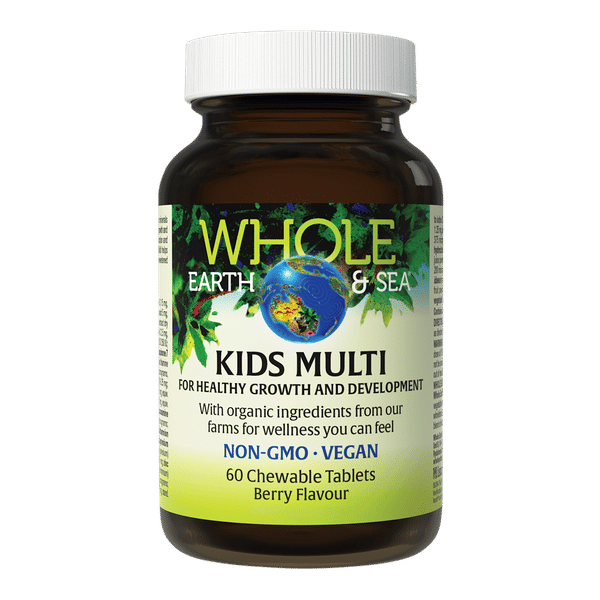
- Calcium ascorbate (Vitamin C) 18.15 mg equiv. ascorbic acid 15 mg
- Magnesium ascorbate (Vitamin C) 7.07 mg equiv. ascorbic acid 5 mg
- Calcified lithothamnion (Red algae) 13.22 mg equiv. calcium 4.17 mg
- Calcium ascorbate equiv. calcium 1.83 mg
- Calcium pantothenate equiv. calcium 0.25 mg
- Cholecalciferol 6.25 µg equiv. vitamin D3 250 IU
- d-alpha-Tocopherol 5 mg equiv. vitamin E 7.5 IU
- Co-methylcobalamin (Vitamin B12) 100 µg
- Zinc citrate 18.30 mg equiv. zinc 6.25 mg
- Phyllanthus emblica ext. 5 mg
- Menaquinone 7 (Vitamin K2) 20 µg
- Thiamine hydrochloride (Vitamin B1) 794 µg equiv. thiamine 625 µg
- Riboflavin 5-phosphate sodium (Activated B2) 855 µg equiv. riboflavin 625 µg
- Nicotinamide (Vitamin B3) 6.25 mg
- Calcium pantothenate (Vitamin B5) 2.98 mg equiv. pantothenic acid 2.5 mg
- Pyridoxal 5-phosphate monohydrate (P5P) 1.01 mg equiv. pyridoxine 625 µg
- Levomefolate glucosamine (Activated folate) 370.37 µg equiv. levomefolic acid 200 µg
- Ferric pyrophosphate 5 mg
- Chromium picolinate 80.45 µg equiv. chromium 10 µg
- Copper sulfate pentahydrate 392.8 µg equiv. copper 100 µg
- Manganese gluconate 10.97 mg equiv. manganese 1.25 mg
- Selenomethionine 62.09 µg equiv. selenium 25 µg
- Borax 3.29 mg equiv. boron 375 µg
- Lutein 500 µg
- Lycopene 500 µg
- Lysine hydrochloride 3.12 mg equiv. lysine 2.5 mg
- Ascophyllum nodosum 9.34 mg
- Magnesium 6.25 mg
- Cruciferous vegetable blend 20 mg
- Ultra fruit blend 20 mg
- Live vegetable blend 20 mg
- Multi herb blend 20 mg
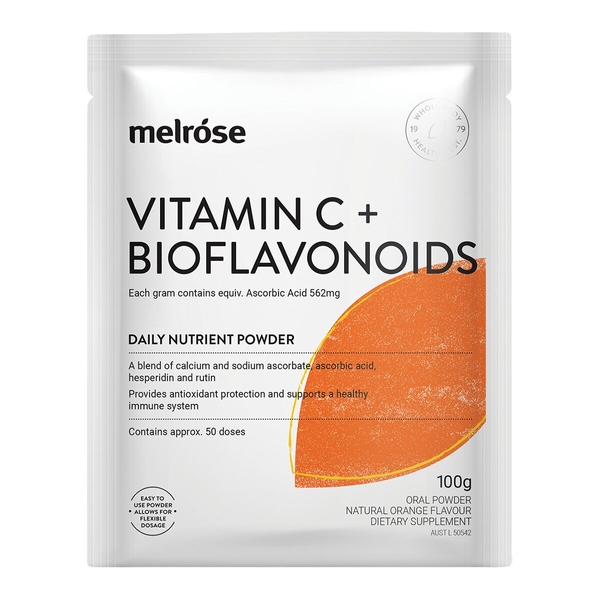
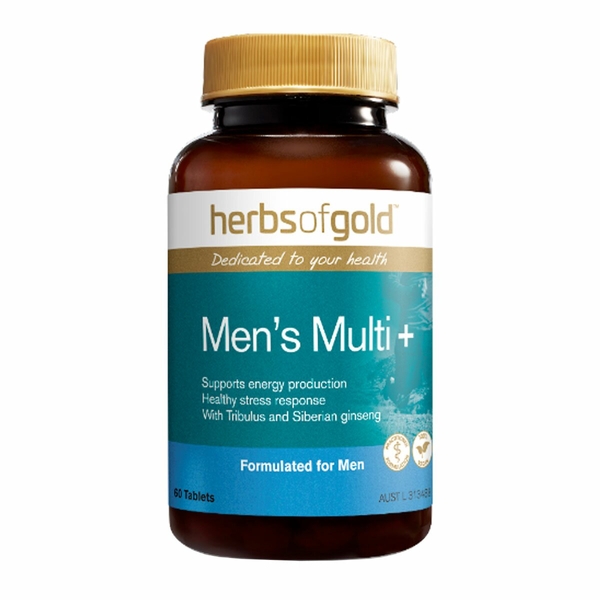
- Ascorbic acid (Vitamin C) 100 mg
- Calcium pantothenate 81.9 mg equiv. calcium 6.9 mg equiv. pantothenic acid 75 mg
- Calcium citrate tetrahydrate 99.53 mg equiv. calcium 21 mg
- Tribulus terrestris ext. 20 mg
- Thiamine nitrate (Vitamin B1) 61.7 mg
- Riboflavin (Vitamin B2) 50 mg
- Nicotinamide (Vitamin B3) 75 mg
- Pyridoxine hydrochloride (Vitamin B6) 60.8 mg equiv. pyridoxine 50 mg
- Folic acid 100 μg
- Levomefolate calcium (Activated folate) 124 μg equiv. levomefolic acid 100 μg
- Mecobalamin (Vitamin B12) 100 μg
- Cholecalciferol 25 μg equiv. vitamin D3 1000 IU
- d-alpha-Tocopheryl acid succinate 10.5 mg equiv. vitamin E 12.7 IU
- Biotin 250 μg
- Inositol 50 mg
- Alpha lipoic acid 30 mg
- Lycopene 1 mg
- Chromium picolinate 199.5 μg equiv. chromium 24.8 μg
- Copper gluconate 7.14 mg equiv. copper 1 mg
- Iron amino acid chelate 30 mg equiv. iron 3 mg
- Magnesium citrate 154.7 mg equiv. magnesium 25 mg
- Manganese sulphate monohydrate 1.54 mg equiv. manganese 500 μg
- Potassium phosphate monobasic 24.5 mg equiv. potassium 7 mg
- Potassium iodide 50 μg equiv. iodine 38 μg
- Selenomethionine 186.3 μg equiv. selenium 75 μg
- Zinc amino acid chelate 50 mg equiv. zinc 10 mg
- Tribulus terrestris ext. 20 mg
- Eleutherococcus senticosus ext. 133.3 mg
- Turnera diffusa ext. 50 mg
- Withania somnifera ext. 20 mg
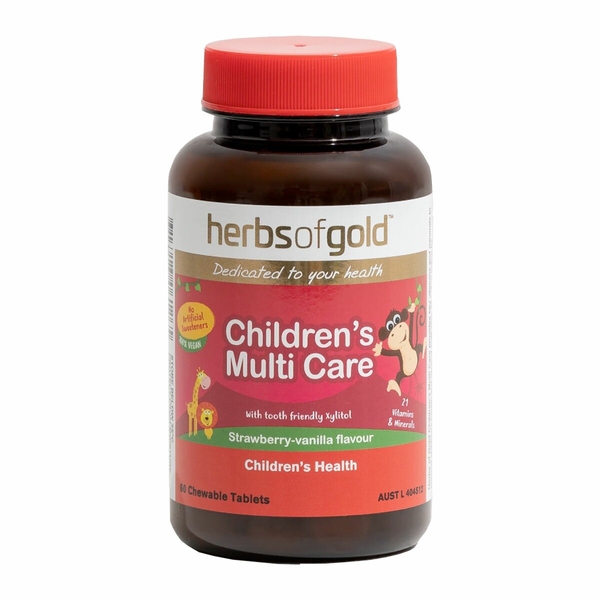
- Ascorbic acid (Vitamin C) 10 mg
- Sodium ascorbate (Vitamin C) 11.3 mg equiv. ascorbic acid 10 mg
- Calcium pantothenate (Vitamin B5) 1.64 mg equiv. pantothenic acid 1.5 mg equiv. calcium 0.14 mg
- Calcium hydrogen phosphate 17 mg equiv. calcium 5 mg equiv. phosphorous 3.9 mg
- Retinyl acetate (Vitamin A) 200 IU equiv. retinol equivalents 60 µg
- Cyanocobalamin (Vitamin B12) 20 µg
- Cholecalciferol 2.5 µg equiv. vitamin D3 100 IU
- d-alpha-Tocopheryl acid succinate 8.27 mg equiv. vitamin E 10 IU
- Zinc amino acid chelate 2.5 mg equiv. zinc 500 µg
- Thiamine nitrate (Vitamin B1) 1 mg
- Riboflavin (Vitamin B2) 1 mg
- Nicotinamide (Vitamin B3) 1 mg
- Pyridoxine hydrochloride (Vitamin B6) 1 mg equiv. pyridoxine 820 µg
- Folic acid 100 µg
- Biotin 25 µg
- Citrus bioflavonoids extract 1 mg
- Magnesium phosphate pentahydrate 24.2 mg equiv. magnesium 5 mg equiv. phosphorous 4.3 mg
- Ferrous fumarate 3.04 mg equiv. iron 1 mg
- Potassium iodide 98 µg equiv. iodine 75 µg
- Selenomethionine 25 µg equiv. selenium 10 µg
- Manganese amino acid chelate 125 µg equiv. manganese 12.5 µg
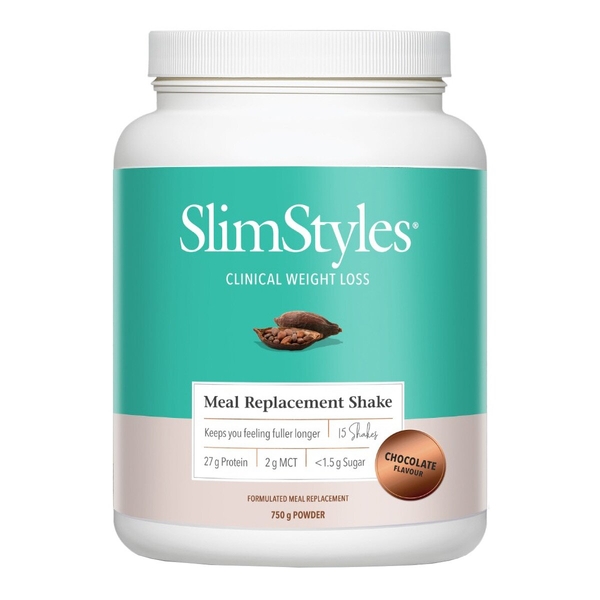
- Ascorbic acid (Vitamin C)
- Calcium phosphate dibasic
- Calcium citrate
- Whey protein concentrate
- Whey protein isolate
- Soy lecithin
- Theobroma cacao (Cocoa powder)
- Medium Chain Triglycerides (powder) (MCT)
- Flavour
- Magnesium citrate
- Cyamopsis tetragonoloba (Guar gum)
- Zinc gluconate
- Beta-carotene carotenoids (Vitamin A)
- Chromium chloride
- Ferrous fumarate
- d-alpha-Tocopheryl acetate
- Calcium pantothenate (Vitamin B5)
- Riboflavin (Vitamin B2)
- Sodium selenite
- Thiamine hydrochloride (Vitamin B1)
- Cyanocobalamin (Vitamin B12)
- Biotin
- Potassium iodide
- Sodium molybdate
- Niacinamide (Vitamin B3)
- Copper sulfate
- Manganese citrate
- Cholecalciferol
- Folic acid
- Pyridoxine hydrochloride (Vitamin B6)
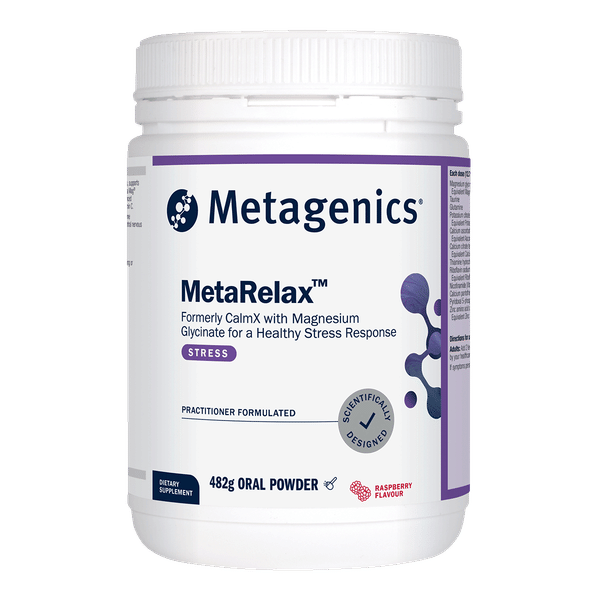
- Calcium ascorbate dihydrate (Vitamin C) 605 mg equiv. ascorbic acid 500 mg
- Calcium citrate tetrahydrate 711 mg equiv. calcium 150 mg
- Magnesium bisglycinate 3.5 g equiv. magnesium 350 mg
- Taurine 3 g
- Potassium citrate 275 mg equiv. potassium 100 mg
- L-glutamine 2 g
- Thiamine hydrochloride (Vitamin B1) 25 mg
- Riboflavin 5-phosphate sodium (Activated B2) 34 mg equiv. riboflavin 25 mg
- Nicotinamide (Vitamin B3) 25 mg
- Calcium pantothenate (Vitamin B5) 25 mg
- Pyridoxal 5-phosphate monohydrate (P5P) 25 mg equiv. pyridoxine 16 mg
- Zinc bisglycinate (Zinc amino acid chelate) 50 mg equiv. zinc 10 mg
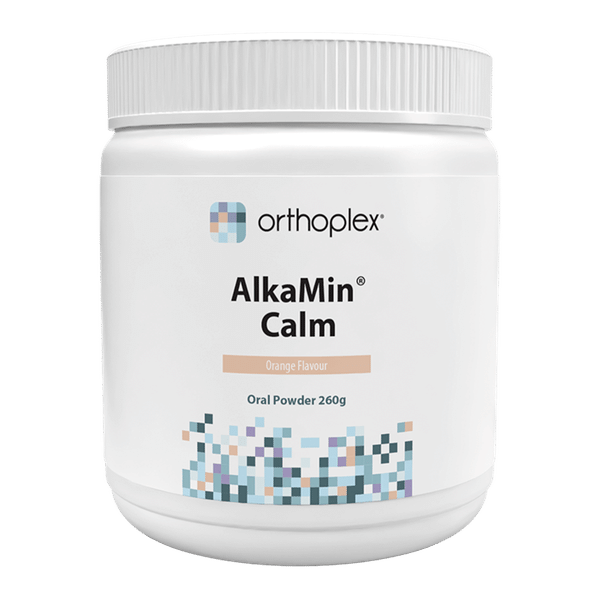
- Calcium ascorbate dihydrate (Vitamin C) 1.22 g equiv. ascorbic acid 1 g equiv. calcium 114 mg
- Calcium citrate 1.82 g equiv. calcium 400 mg
- Calcium pantothenate (Vitamin B5) 32.8 mg equiv. pantothenic acid 30 mg equiv. calcium 2.73 mg
- Magnesium citrate 1.94 g equiv. magnesium 300 mg
- Potassium citrate 553 mg equiv. potassium 200 mg
- Zinc citrate dihydrate 77.9 mg equiv. zinc 25 mg
- Selenomethionine 78 µg equiv. selenium 31.5 µg
- Taurine 3 g
- Glycine 2 g
- Thiamine hydrochloride (Vitamin B1) 25.4 mg equiv. thiamine 20 mg
- Riboflavin 5-phosphate sodium (Activated B2) 13.2 mg equiv. riboflavin 10 mg
- Nicotinamide (Vitamin B3) 25 mg
- Pyridoxal 5-phosphate monohydrate (P5P) 78.4 mg equiv. pyridoxine 50 mg
- Biotin 500 µg
- Molybdenum trioxide 90 µg equiv. molybdenum 60 µg
- Chromium chloride hexahydrate 507 µg equiv. chromium 100 µg
- Menaquinone 7 (Vitamin K2) 45 µg
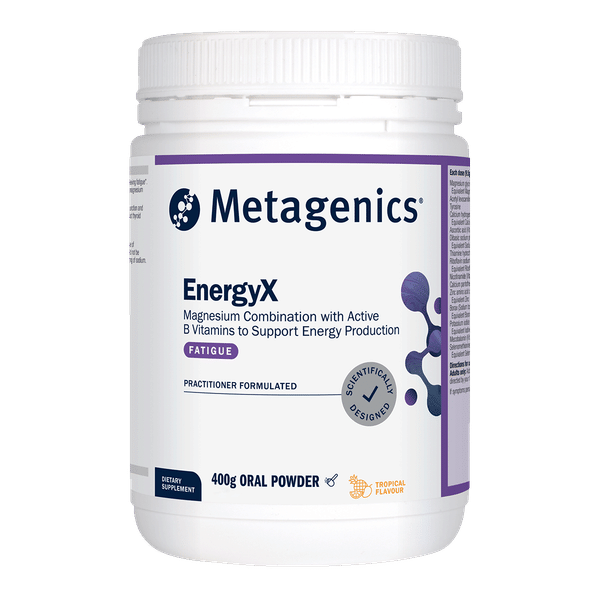
- Ascorbic acid (Vitamin C) 500 mg
- Calcium hydrogen phosphate dihydrate 2.1 g equiv. calcium 500 mg
- Nicotinamide (Vitamin B3) 25 mg
- Calcium pantothenate (Vitamin B5) 50 mg
- Co-methylcobalamin (Vitamin B12) 200 μg
- Magnesium bisglycinate 2 g equiv. magnesium 200 mg
- Thiamine hydrochloride (Vitamin B1) 25 mg
- Riboflavin 5-phosphate sodium (Activated B2) 25 mg equiv. riboflavin 18 mg
- Acetyl levocarnitine hydrochloride (Acetyl-L-carnitine) 1.2 g
- L-tyrosine 1 g
- Sodium phosphate dibasic anhydrous 250 mg equiv. sodium 81 mg
- Borax 13 mg equiv. boron 1.5 mg
- Potassium iodide 98 μg equiv. iodine 75 μg
- Selenomethionine 62.5 μg equiv. selenium 25 μg
- Zinc bisglycinate (Zinc amino acid chelate) 50 mg equiv. zinc 10 mg
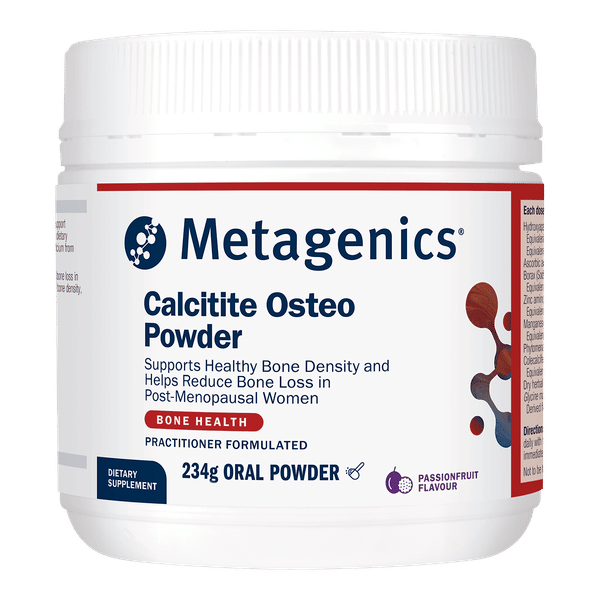
- Ascorbic acid (Vitamin C) 250 mg
- Hydroxyapatite (Calcium) 2 g equiv. calcium 500 mg equiv. phosphorus 216 mg
- Glycine max ext. 113 mg
- Borax 26 mg equiv. boron 3 mg
- Manganese amino acid chelate 16 mg equiv. manganese 2.5 mg
- Phytomenadione (Vitamin K1) 100 μg
- Cholecalciferol 12.5 μg equiv. vitamin D3 500 IU
- Zinc bisglycinate (Zinc amino acid chelate) 25 mg equiv. zinc 5 mg
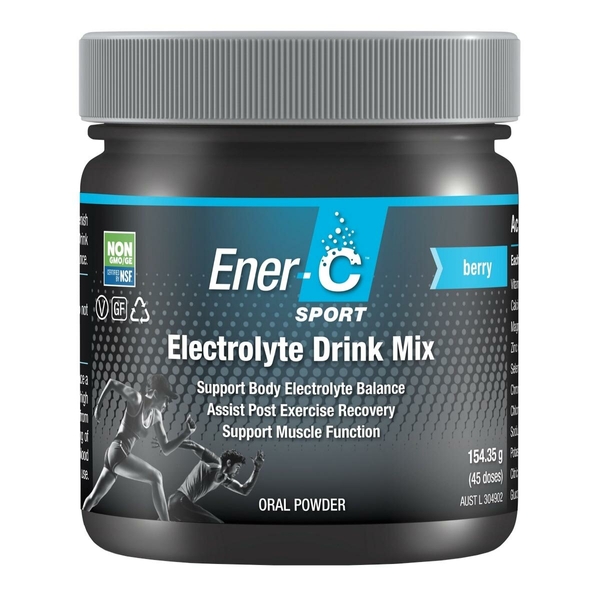
- Calcium ascorbate (Vitamin C) 279.91 mg equiv. ascorbic acid 226.72 mg equiv. calcium 25.75 mg
- Calcium citrate 117.16 mg equiv. calcium 24.25 mg
- Zinc ascorbate 33.33 mg equiv. zinc 5 mg equiv. ascorbic acid 25 mg
- Potassium chloride 293 mg
- Sodium chloride (Salt) 321.36 mg equiv. sodium 125 mg equiv. chloride 196.35 mg
- Potassium chloride 212 mg equiv. potassium 110 mg equiv. chloride 101.95 mg
- Citric acid monohydrate 580 mg
- Glucose monohydrate 800 mg
- Magnesium citrate 340 mg equiv. magnesium 50 mg
- Sodium selenite 25.3 µg equiv. selenium 5 µg
- Chromium picolinate 1 mg equiv. chromium 20 µg
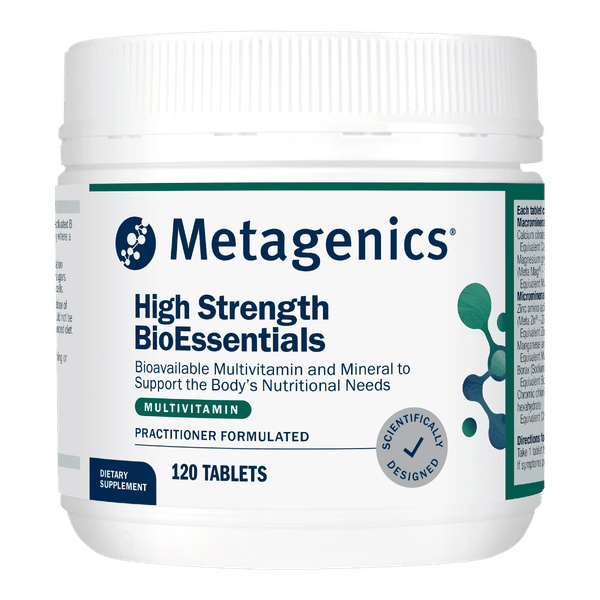
- Calcium ascorbate dihydrate (Vitamin C) 151 mg equiv. ascorbic acid 125 mg
- Calcium citrate tetrahydrate 593 mg equiv. calcium 125 mg
- Levomefolate calcium (Activated folate) 217 μg equiv. levomefolic acid 200 μg
- Co-methylcobalamin (Vitamin B12) 250 μg
- Manganese amino acid chelate 17 mg equiv. manganese 2.75 mg
- Borax 13 mg equiv. boron 1.5 mg
- Chromium chloride hexahydrate 513 μg equiv. chromium 100 μg
- Potassium iodide 98 μg equiv. iodine 75 μg
- Selenomethionine 93 μg equiv. selenium 37.5 μg
- d-alpha-Tocopheryl acid succinate 16 mg equiv. vitamin E 12.5 mg
- Beta-carotene carotenoids (Vitamin A) 2 mg
- Phytomenadione (Vitamin K1) 8.75 μg
- Calcium pantothenate (Vitamin B5) 37.5 mg
- Thiamine hydrochloride (Vitamin B1) 25 mg
- Riboflavin 5-phosphate sodium (Activated B2) 25 mg
- Nicotinamide (Vitamin B3) 25 mg
- Pyridoxal 5-phosphate monohydrate (P5P) 25 mg
- Biotin 50 μg
- Magnesium bisglycinate 525 mg equiv. magnesium 52.5 mg
- Zinc bisglycinate (Zinc amino acid chelate) 50 mg equiv. zinc 10 mg
- Iron bisglycinate 12.5 mg equiv. iron 2.5 mg


