


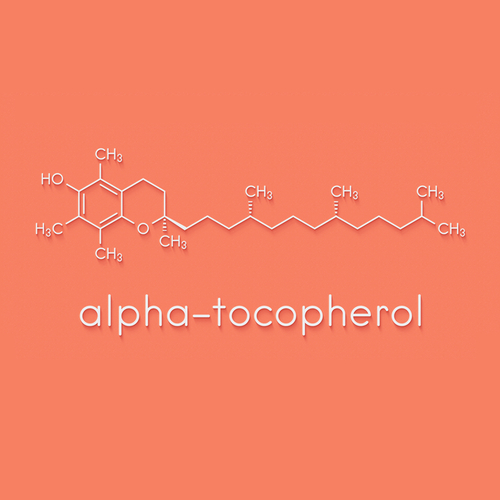
Background
Vitamin E is an important vitamin required for the proper function of many organs in the body. It is also an antioxidant. Vitamin E that occurs naturally in foods (RRR-alpha-tocopherol) is different from man-made vitamin E that is in supplements (all-rac-alpha-tocopherol).
Vitamin E is used for treating vitamin E deficiency, which is rare, but can occur in people with certain genetic disorders and in very low-weight premature infants. Vitamin E is also used for depression, high blood pressure, and many other conditions, but there is no good scientific evidence to support many of these other uses.
Safety Safety definitions
When applied to the skin: Vitamin E is likely safe for most people.
When inhaled: Vitamin E is possibly unsafe. Use of e-cigarettes and other vaping products containing vitamin E acetate has been linked to serious lung injury in some people.
Special Precautions & Warnings:
Pregnancy: When used in the recommended daily amount, vitamin E is possibly safe during pregnancy. Do not take vitamin E supplements during the first 8 weeks of pregnancy without speaking with your healthcare provider. It might be harmful to the baby. Later in pregnancy, the maximum recommended amount of vitamin E is 800 mg in those 14-18 years of age and 1000 mg in those older than 18 years of age.Breast-feeding: Vitamin E is likely safe when taken by mouth in recommended daily amounts. The maximum recommended amount of vitamin E while breast-feeding is 800 mg in those 14-18 years of age and 1000 mg in those older than 18 years of age. Vitamin E is possibly unsafe when taken in doses greater than the maximum recommended amount.
Children: Vitamin E is likely safe when taken by mouth appropriately. But children should avoid taking doses of vitamin E higher than the daily upper limits. These limits are 300 IU in children 1-3 years of age, 450 IU in children 4-8 years of age, 900 IU in children 9-13 years of age, and 1200 IU in children 14-18 years of age.
Bleeding disorders: Vitamin E might make bleeding disorders worse. If you have a bleeding disorder, avoid taking vitamin E supplements.
Heart disease: Vitamin E might increase the risk for death in people with a history of heart disease. People with a history of heart disease should avoid taking doses of vitamin E greater than 400 IU daily.
Diabetes: Vitamin E might increase the risk for heart failure in people with diabetes. People with diabetes should avoid taking doses of vitamin E greater than 400 IU daily.
Head and neck cancer: Vitamin E might increase the chance that this cancer will return. Do not take vitamin E supplements in doses greater than 400 IU daily.
Weak and brittle bones (osteoporosis): Exercise is sometimes used by people with osteoporosis to improve bone strength. Exercising and taking high doses of vitamin E and vitamin C might lessen the benefits of exercise on bone strength.
Prostate cancer: Vitamin E might increase the chance of developing prostate cancer. The effect of vitamin E in people who currently have prostate cancer isn't clear, but it might worsen the condition.
An inherited eye condition that causes poor night vision and loss of side vision (retinitis pigmentosa): All-rac-alpha-tocopherol (synthetic vitamin E) 400 IU seems to speed vision loss in people with this condition. But much lower amounts (3 IU) don't seem to have this effect. If you have this condition, it is best to avoid vitamin E supplements.
Stroke: Vitamin E might increase the risk for death in some people with a history of stroke. People with a history of stroke should avoid taking doses of vitamin E greater than 400 IU daily.
Surgery: Vitamin E might increase the risk of bleeding during and after surgery. Stop using vitamin E supplements at least 2 weeks before a scheduled surgery.
Effectiveness
- An inherited condition that affects motor control (ataxia with vitamin E deficiency or AVED). Taking vitamin E by mouth is effective for treating vitamin E deficiency due to this genetic movement disorder.
- Vitamin E deficiency. Taking vitamin E by mouth is effective for preventing and treating vitamin E deficiency.
- Alzheimer disease. Taking vitamin E supplements by mouth doesn't seem to prevent Alzheimer disease from developing. But in people who already have Alzheimer disease, taking vitamin E along with some anti-Alzheimer medicines might slow down memory loss.
- A blood disorder that reduces levels of protein in the blood called hemoglobin (beta-thalassemia). Taking vitamin E by mouth seems to benefit children with this blood disorder.
- Menstrual cramps (dysmenorrhea). Taking vitamin E by mouth for 2 days before bleeding and for 3 days after bleeding starts seems to decrease pain and reduce menstrual blood loss.
- Muscle damage caused by exercise. Taking vitamin E by mouth while following an exercise program seems to decrease muscle damage caused by exercise.
- An inherited disorder that causes red blood cells to break down in response to stress (G6PD deficiency). Taking vitamin E by mouth, alone or together with selenium, might benefit people with this condition.
- Bleeding within the skull (intracranial hemorrhage). Taking vitamin E by mouth seems to reduce the risk of bleeding in the skull in premature infants.
- Bleeding into or around the fluid-filled areas (ventricles) of the brain (intraventricular hemorrhage). Giving vitamin E by mouth to premature infants can reduce the risk for bleeding into the brain. But giving high doses of vitamin E might increase the risk for a serious blood infection (sepsis) in these infants.
- Reduced benefit of nitrate therapy that happens when nitrates are used all day (nitrate tolerance). Taking vitamin E by mouth daily can help prevent nitrate tolerance.
- Swelling (inflammation) and build up of fat in the liver in people who drink little or no alcohol (nonalcoholic steatohepatitis or NASH). Taking vitamin E by mouth daily seems to improve inflammation and liver markers of this form of liver disease in adults and children.
- Premenstrual syndrome (PMS). Taking vitamin E by mouth seems to reduce anxiety, craving, depression, fatigue, and irritability in some people with PMS.
- A movement disorder often caused by antipsychotic drugs (tardive dyskinesia). Taking vitamin E by mouth seems to improve symptoms associated with this movement disorder.
- Breast cancer. Increasing vitamin E intake from the diet or taking vitamin E supplements by mouth doesn't reduce the risk for breast cancer.
- Cancer. Taking vitamin E by mouth doesn't lower overall cancer risk.
- Heart disease. Taking vitamin E by mouth doesn't prevent heart disease in healthy people or those at risk. It also doesn't seem to prevent stroke or heart attack in people with heart disease.
- Death of an unborn or premature baby. Giving vitamin E by mouth to preterm infants doesn't seem to reduce the risk of death in the infant.
- A type of benign (non-cancerous) breast disease (fibrocystic breast disease). Taking vitamin E by mouth for 2-3 months doesn't help treat fibrocystic breast disease.
- Lung cancer. Taking vitamin E by mouth for up to 8 years doesn't reduce the risk of developing lung cancer in males who smoke.
- Death from any cause. Taking vitamin E by mouth doesn't reduce the risk of death from any cause.
- Growth and development in premature infants. Giving vitamin E by mouth doesn't seem to prevent or treat anemia in preterm infants.
- An eye disease that leads to vision loss in older adults (age-related macular degeneration or AMD). Taking vitamin E by mouth, alone or along with other antioxidants, isn't effective for preventing or treating age-related vision loss.
- Lou Gehrig's disease (amyotrophic lateral sclerosis or ALS). Taking vitamin E (alpha-tocopherol) by mouth along with conventional medication doesn't affect function or increase survival rates in people with ALS.
- Chest pain (angina). Taking vitamin E by mouth might have some effect on the functioning of blood vessels, but it doesn't appear to reduce chest pain.
- Hardening of the arteries (atherosclerosis). Taking vitamin E (RRR-alpha-tocopherol) by mouth doesn't appear to reduce the hardening of arteries in people with this condition.
- Eczema (atopic dermatitis). Taking vitamin E by mouth, alone or along with selenium, doesn't improve symptoms of eczema.
- Hot flashes in people treated for breast cancer. Taking vitamin E by mouth doesn't seem to reduce hot flashes in females who have had breast cancer.
- A lung disease that affects newborns (bronchopulmonary dysplasia). Taking vitamin E by mouth doesn't seem to reduce an infant's risk for developing this lung disease.
- Cataracts. Taking vitamin E by mouth doesn't prevent cataracts.
- Nerve damage in the hands and feet caused by cancer drug treatment. Taking vitamin E before and after treatment with certain cancer drugs does not reduce the risk of nerve damage.
- Colon cancer, rectal cancer. Taking vitamin E by mouth doesn't reduce the risk for colon cancer or rectal cancer.
- Heart failure and fluid build up in the body (congestive heart failure or CHF). Taking vitamin E by mouth for 12 weeks doesn't seem to improve heart function in people with CHF. It also doesn't decrease the chance of developing CHF.
- Head and neck cancer. Taking vitamin E by mouth daily doesn't seem to reduce the risk of head and neck cancer returning. In fact, it might actually increase the risk of the cancer returning. People with head and neck cancer should avoid daily vitamin E supplements in doses of more than 400 IU daily.
- Infants with birth weight below the 10th percentile due to inadequate nutrition. Taking vitamin E by mouth throughout pregnancy doesn't lower the risk of having a baby with a low birth weight because of inadequate nutrition while in the womb.
- Liver disease. Taking vitamin E by mouth doesn't reduce the risk of death in people with liver disease.
- White patches inside the mouth that are usually caused by smoking (oral leukoplakia). Taking vitamin E by mouth for up to 7 years doesn't reduce the risk for mouth sores in males who smoke.
- Osteoarthritis. Taking vitamin E by mouth doesn't seem to decrease pain or stiffness in people with osteoarthritis. Vitamin E also doesn't seem to prevent osteoarthritis from becoming worse.
- Pancreatic cancer. Taking vitamin E by mouth, alone or together with other antioxidants such as beta-carotene and vitamin C, doesn't seem to reduce the risk for pancreatic cancer.
- Parkinson disease. Taking vitamin E by mouth doesn't seem to reduce or slow the worsening of Parkinson disease symptoms.
- A type of throat cancer (pharyngeal cancer). Taking vitamin E by mouth doesn't seem to reduce the risk of mouth or pharyngeal cancer in people with diabetes.
- A pregnancy complication marked by high blood pressure and protein in the urine (pre-eclampsia). Taking vitamin E by mouth doesn't seem to reduce the risk of high blood pressure during pregnancy.
- Preterm birth. Taking vitamin E by mouth during pregnancy doesn't lower the risk for preterm birth.
- Prostate cancer. Taking vitamin E by mouth doesn't reduce the risk for prostate cancer. It might actually increase the risk in some people.
- Infection of the airways. Taking vitamin E by mouth doesn't seem to help prevent respiratory tract infections. It also doesn't seem to lessen symptoms in people with a respiratory infection.
- An inherited eye condition that causes poor night vision and loss of side vision (retinitis pigmentosa). Taking vitamin E by mouth doesn't seem to slow vision loss, and might actually increase vision loss in people with this condition.
- Scarring. Applying vitamin E to the skin doesn't seem to reduce scarring after surgery.
- Stillbirth. Taking vitamin E by mouth throughout pregnancy doesn't lower the risk of stillbirth.
Dosing & administration
Keep in mind that the doses of natural vitamin E (RRR-alpha-tocopherol) and vitamin E that has been made in the lab (all-rac-alpha-tocopherol) are calculated differently. This can make supplement dosing confusing. The American Heart Association recommends obtaining vitamin E by eating a well-balanced diet rather than from supplements until more is known about the risks and benefits of these supplements.
Interactions with pharmaceuticals
Antibiotics for cancer (Antitumor antibiotics)
Interaction Rating=Moderate Be cautious with this combination.
Vitamin E is an antioxidant. There is some concern that antioxidants might decrease the effects of medications used for cancer. If you are taking medications for cancer, check with your healthcare provider before taking vitamin E.
Cyclosporine (Neoral, Sandimmune)
Interaction Rating=Moderate Be cautious with this combination.
Taking large amounts of vitamin E along with cyclosporine might increase how much cyclosporine the body absorbs. This might increase the effects and side effects of cyclosporine.
Medications changed by the liver (Cytochrome P450 3A4 (CYP3A4) substrates)
Interaction Rating=Moderate Be cautious with this combination.
Some medications are changed and broken down by the liver. Vitamin E might change how quickly the liver breaks down these medications. This could change the effects and side effects of these medications.
Medications for cancer (Alkylating agents)
Interaction Rating=Moderate Be cautious with this combination.
Vitamin E is an antioxidant. There is some concern that antioxidants might decrease the effects of some medications used for cancer. If you are taking medications for cancer, check with your healthcare provider before taking vitamin E.
Medications that slow blood clotting (Anticoagulant / Antiplatelet drugs)
Interaction Rating=Moderate Be cautious with this combination.
Vitamin E might slow blood clotting. Taking vitamin E along with medications that also slow blood clotting might increase the risk of bruising and bleeding.
Niacin
Interaction Rating=Moderate Be cautious with this combination.
Taking niacin along with the drug simvastatin can increase good cholesterol levels. Taking niacin plus simvastatin along with vitamin E and other antioxidants can decrease the effects of niacin and simvastatin on good cholesterol levels. It is unknown if vitamin E alone decreases the effects of niacin plus simvastatin on good cholesterol levels.
Selumetinib (Koselugo)
Interaction Rating=Moderate Be cautious with this combination.
Selumetinib, a drug used for cancer, contains vitamin E. Taking selumetinib with vitamin E-containing supplements can result in an unsafe dose of vitamin E. This could increase the risk of bleeding.
Warfarin (Coumadin)
Interaction Rating=Moderate Be cautious with this combination.
Warfarin is used to slow blood clotting. Vitamin E can also slow blood clotting. Taking vitamin E along with warfarin can increase the chances of bruising and bleeding. Be sure to have your blood checked regularly. The dose of your warfarin might need to be changed.
Interactions with herbs & supplements
Herbs and supplements that might slow blood clotting: Vitamin E might slow blood clotting and increase the risk of bleeding. Taking it with other supplements with similar effects might increase the risk of bleeding in some people. Examples of supplements with this effect include garlic, ginger, ginkgo, nattokinase, and Panax ginseng.
Iron: Large doses of vitamin E might reduce how much iron is absorbed by the body in infants with low iron levels. Low doses of vitamin E do not seem to have this effect. Avoid high doses of vitamin E in infants. It isn't known whether this interaction occurs in adults.
Omega-6 fatty acids: Taking omega-6 fatty acids, especially in high doses, may increase the amount of vitamin E that the body needs.
Vitamin A: Vitamin E might change how much vitamin A is absorbed by the body. But this probably isn't a major concern for most people.
Vitamin K: Large doses of vitamin E can decrease the effects of vitamin K. This might increase the risk of bleeding in people taking warfarin or other medicines that slow blood clotting. People with low vitamin K levels might be at especially high risk.
Interactions with foods
Products
View all products
- Tocopherols concentrate - mixed (high-alpha type) (Vitamin E) 37.8 mg equiv. d-alpha-tocopherol 36.2 mg
- Tocopherols concentrate - mixed (low-alpha type) (Vitamin E) 82.7 mg equiv. d-alpha tocopherol 30.7 mg
- Tocotrienols complex - palm (Vitamin E) 19.9 mg equiv. d-alpha tocopherol 6.7 mg equiv. mixed tocotrienols 5.9 mg
- Bixa orellana ext. 32.5 mg
- Selenomethionine 123.4 µg equiv. selenium 50 µg
- Haematococcus pluvialis (Chlorophyll) 20 mg equiv. natural astaxanthin 2 mg
- d-alpha-Tocopheryl acid succinate 82.64 mg equiv. vitamin E 100 IU
- Tocopherols concentrate - mixed (low-alpha type) 14.7 mg
- Ascorbic acid (Vitamin C) 100 mg
- Retinol acetate 431.2 μg equiv. vitamin A 375 μgRE
- Cyanocobalamin (Vitamin B12) 400 μg
- Cholecalciferol 2.5 μg equiv. vitamin D3 100 IU
- Zinc amino acid chelate 50 mg equiv. zinc 10 mg
- Thiamine hydrochloride (Vitamin B1) 50 mg
- Riboflavin (Vitamin B2) 50 mg
- Nicotinamide (Vitamin B3) 200 mg
- Calcium pantothenate (Vitamin B5) 100 mg equiv. pantothenic acid 91.6 mg equiv. calcium 8.39 mg
- Pyridoxine hydrochloride (Vitamin B6) 50 mg equiv. pyridoxine 41.14 mg
- Folic acid 400 μg
- Biotin 100 μg
- Phytomenadione (Vitamin K1) 30 μg
- Borax 8.82 mg equiv. boron 1 mg
- Calcium citrate 237 mg equiv. calcium 50 mg
- Chromium nicotinate 416.67 μg equiv. chromium 50 μg
- Copper gluconate 1.43 mg equiv. copper 200 μg
- Magnesium oxide - heavy 41.46 mg equiv. magnesium 25 mg
- Manganese amino acid chelate 5 mg equiv. manganese 1 mg
- Molybdenum trioxide 113 μg equiv. molybdenum 75 μg
- Selenomethionine 64.58 μg equiv. selenium 26 μg
- Citrus bioflavonoids extract 50 mg
- Choline bitartrate 50 mg equiv. choline 20 mg
- Myo-inositol 50 mg
- Beta-carotene carotenoids (Vitamin A) 4 mg
- d-alpha-Tocopheryl acid succinate 82.64 mg equiv. vitamin E 100 IU
- Tocopherols concentrate - mixed (low-alpha type) 5 mg
- Reynoutria japonica ext. 50 mg
- Vitis vinifera ext. 4.167 mg
- Ginkgo biloba ext. 6 mg
- Curcuma longa ext. 30 mg
- Vaccinium myrtillus ext. 1 mg
- Ascorbic acid (Vitamin C) 120 mg
- Silybum marianum ext. 11.43 mg
- Camellia sinensis ext. 50 mg
- Rutin (Rutoside) 100 mg
- Selenomethionine 125 μg equiv. selenium 50 μg
- Beta-carotene carotenoids (Vitamin A) 3 mg
- Glycine 50 mg
- Cysteine hydrochloride monohydrate 50 mg
- Glutamine 50 mg
- Zinc citrate dihydrate 15.58 mg equiv. zinc 5 mg
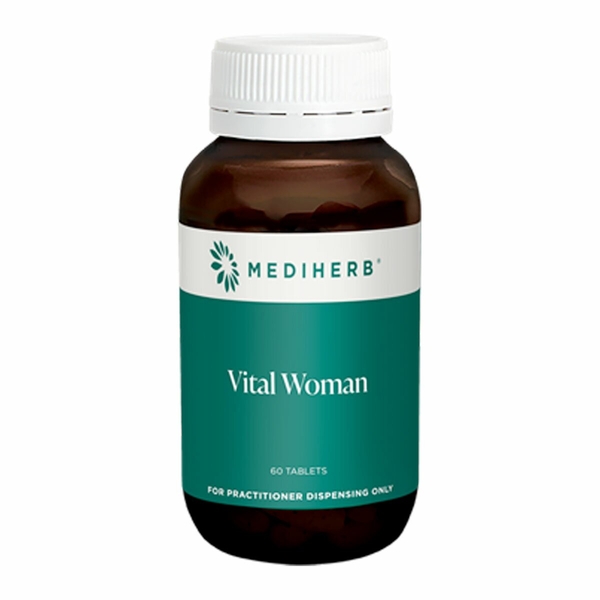
- d-alpha-Tocopheryl acid succinate 41.3 mg equiv. vitamin E 50 IU
- Tocopherols concentrate - mixed (low-alpha type) 20 mg
- Reynoutria japonica ext. 20 mg
- Asparagus racemosus ext. 70.58 mg
- Vitex agnus-castus ext. 25 mg
- Retinol acetate 354 μg equiv. vitamin A 300 μg RE
- Thiamine hydrochloride (Vitamin B1) 50 mg
- Riboflavin (Vitamin B2) 30 mg
- Nicotinamide (Vitamin B3) 50 mg
- Calcium pantothenate (Vitamin B5) 50 mg equiv. pantothenic acid 45.8 mg
- Cyanocobalamin (Vitamin B12) 150 μg
- Folic acid 500 μg
- Ascorbic acid (Vitamin C) 100 mg
- Cholecalciferol 25 μg equiv. vitamin D3 1000 IU
- Biotin 150 μg
- Phytomenadione (Vitamin K1) 30 μg
- Choline bitartrate 25 mg
- Inositol 25 mg
- Calcium hydrogen phosphate dihydrate 258.2 mg equiv. calcium 60 mg equiv. phosphorous 46.47 mg
- Magnesium amino acid chelate 150 mg equiv. magnesium 30 mg
- Iron amino acid chelate 50 mg equiv. iron 5 mg
- Borax 26.5 mg equiv. boron 3 mg
- Zinc amino acid chelate 25 mg equiv. zinc 5 mg
- Manganese amino acid chelate 20 mg equiv. manganese 2 mg
- Chromium chloride hexahydrate 1.28 mg equiv. chromium 250 μg
- Potassium iodide (Iodine) 391 μg equiv. iodine 299 μg equiv. potassium 92 μg
- Molybdenum trioxide 150 μg equiv. molybdenum 100 μg
- Selenomethionine 124.2 μg equiv. selenium 50 μg
- Pyridoxine hydrochloride (Vitamin B6) 50 mg equiv. pyridoxine 41 mg
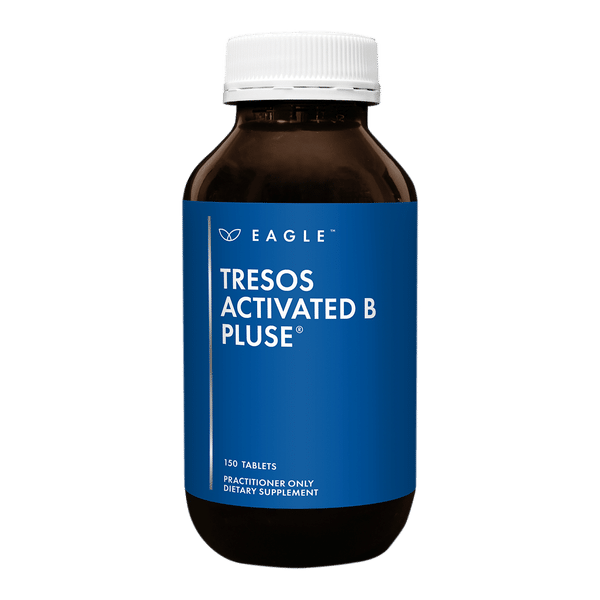
- d-alpha-Tocopheryl acid succinate 28 mg equiv. vitamin E 34 IU
- Tocopherols concentrate - mixed (low-alpha type) 13.5 mg
- Thiamine hydrochloride (Vitamin B1) 50 mg equiv. thiamine 44.6 mg
- Nicotinamide (Vitamin B3) 220 mg
- Pyridoxine hydrochloride (Vitamin B6) 48.62 mg equiv. pyridoxine 40 mg
- Riboflavin 5-phosphate sodium (Activated B2) 27.4 mg equiv. riboflavin 20 mg
- Mecobalamin (Vitamin B12) 500 μg
- Selenomethionine 65 μg equiv. selenium 26 μg
- Retinol acetate 884 μg equiv. vitamin A 750 μg RE
- Nicotinic acid (Vitamin B3) 5 mg
- Calcium pantothenate (Vitamin B5) 100 mg equiv. pantothenic acid 91.6 mg equiv. calcium 8.4 mg
- Calcium folinate (Activated folate) 278 μg equiv. folinic acid 200 μg
- Levomefolate calcium (Activated folate) 216 μg equiv. levomefolic acid 200 μg
- Calcium ascorbate dihydrate (Vitamin C) 121.7 mg equiv. ascorbic acid 100 mg equiv. calcium 11.44 mg
- Cholecalciferol 2.5 μg equiv. vitamin D3 100 IU
- R,S-alpha lipoic acid 10 mg
- Biotin 150 μg
- Ananas comosus (Bromelain) 6 mg
- Choline bitartrate 40 mg
- Cysteine hydrochloride monohydrate 21.74 mg equiv. cysteine 15 mg
- L-glutamine 40 mg
- Citrus bioflavonoids extract 5 mg
- Inositol 25 mg
- Lecithin 15 mg
- Rutin (Rutoside) 10 mg
- Taurine 85 mg
- Chromium nicotinate 205 μg equiv. chromium 25 μg
- Potassium iodide (Iodine) 41 μg equiv. iodine 31 μg equiv. potassium 9.6 μg
- Magnesium phosphate pentahydrate 50 mg equiv. magnesium 10 mg
- Manganese amino acid chelate 250 μg equiv. manganese 50 μg
- Potassium phosphate dibasic 31.82 mg equiv. potassium 14 mg
- Zinc amino acid chelate 72 mg equiv. zinc 14.4 mg
- Molybdenum trioxide 75 μg equiv. molybdenum 50 μg
- Rosa canina ext. 10 mg
- Pyridoxal 5-phosphate monohydrate (P5P) 10 mg equiv. pyridoxine 6.38 mg
- Citrus bioflavonoids extract 5 mg
- Lysine hydrochloride 35 mg equiv. lysine 27.45 mg
- Copper gluconate 43 μg equiv. copper 6 μg
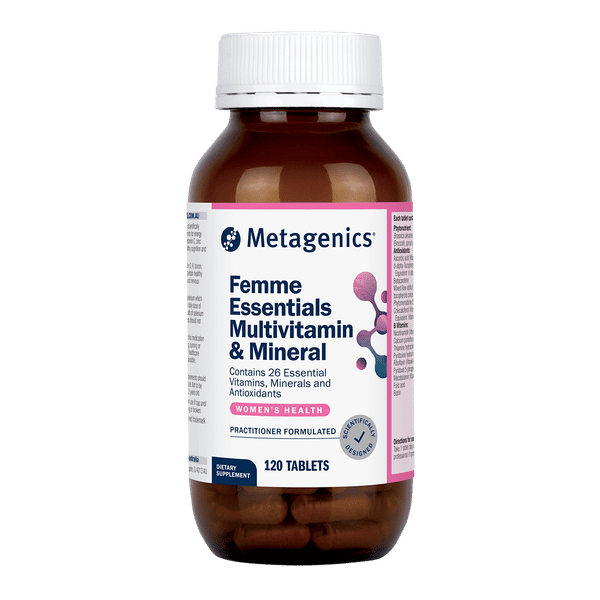
- d-alpha-Tocopheryl acid succinate (Vitamin E) 25 mg equiv. d-alpha-tocopherol 20 mg
- Tocopherols concentrate - mixed (low-alpha type) 2.5 mg
- Ascorbic acid (Vitamin C) 50 mg
- Cholecalciferol 12.5 μg equiv. vitamin D3 500 IU
- Co-methylcobalamin (Vitamin B12) 400 μg
- Zinc sulphate monohydrate 28 mg equiv. zinc 10 mg
- Beta-carotene carotenoids (Vitamin A) 4 mg
- Phytomenadione (Vitamin K1) 80 μg
- Nicotinamide (Vitamin B3) 100 mg
- Calcium pantothenate (Vitamin B5) 50 mg
- Thiamine hydrochloride (Vitamin B1) 50 mg
- Pyridoxine hydrochloride (Vitamin B6) 40 mg
- Riboflavin (Vitamin B2) 20 mg
- Pyridoxal 5-phosphate (P5P) 5 mg
- Folic acid 400 μg
- Biotin 50 μg
- Calcium citrate tetrahydrate 190 mg equiv. calcium 40 mg
- Calcium hydrogen phosphate dihydrate 172 mg equiv. calcium 40 mg
- Calcium amino acid chelate 100 mg equiv. calcium 20 mg
- Potassium phosphate dibasic 78 mg equiv. potassium 35 mg
- Magnesium oxide - heavy 66 mg equiv. magnesium 40 mg
- Borax 27 mg equiv. boron 3 mg
- Manganese amino acid chelate 16 mg equiv. manganese 2.5 mg
- Chromic chloride hexahydrate 769 μg equiv. chromium 150 μg
- Potassium iodide 391 μg equiv. iodine 299 μg
- Molybdenum trioxide 150 μg equiv. molybdenum 100 μg
- Selenomethionine 65 μg equiv. selenium 26 μg
- Magnesium bisglycinate 100 mg equiv. magnesium 10 mg
- Iron bisglycinate 25 mg equiv. iron 5 mg
- Brassica oleracea var. italica powder 100 mg
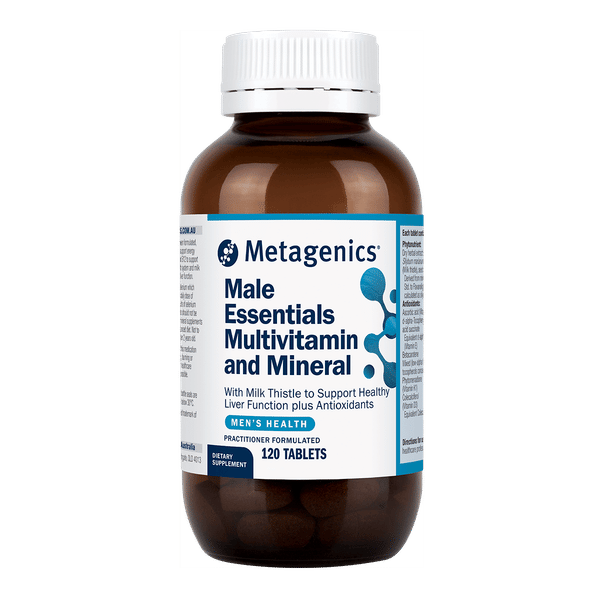
- d-alpha-Tocopheryl acid succinate 25 mg equiv. vitamin E 20 mg
- Tocopherols concentrate - mixed (low-alpha type) 2.5 mg
- Ascorbic acid (Vitamin C) 50 mg
- Cholecalciferol 13 μg equiv. vitamin D3 500 IU
- Co-methylcobalamin (Vitamin B12) 400 μg
- Zinc sulphate monohydrate 55 mg equiv. zinc 20 mg
- Silybum marianum ext. 51 mg
- Phytomenadione (Vitamin K1) 80 μg
- Nicotinamide (Vitamin B3) 100 mg
- Calcium pantothenate (Vitamin B5) 50 mg
- Thiamine hydrochloride (Vitamin B1) 50 mg
- Pyridoxine hydrochloride (Vitamin B6) 30 mg
- Riboflavin (Vitamin B2) 20 mg
- Pyridoxal 5-phosphate (P5P) 5 mg
- Folic acid 400 μg
- Biotin 50 μg
- Calcium hydrogen phosphate dihydrate 258 mg equiv. calcium 60 mg
- Calcium citrate tetrahydrate 142 mg equiv. calcium 30 mg
- Magnesium amino acid chelate 100 mg equiv. magnesium 10 mg
- Potassium phosphate dibasic 78 mg equiv. potassium 35 mg
- Calcium amino acid chelate 50 mg equiv. calcium 10 mg
- Borax 27 mg equiv. boron 3 mg
- Manganese amino acid chelate 16 mg equiv. manganese 2.5 mg
- Chromium chloride hexahydrate 769 μg equiv. chromium 150 μg
- Molybdenum trioxide 188 μg equiv. molybdenum 125 μg
- Selenomethionine 65 μg equiv. selenium 26 μg
- Potassium iodide 52 μg equiv. iodine 40 μg
- Beta-carotene carotenoids (Vitamin A) 4 mg
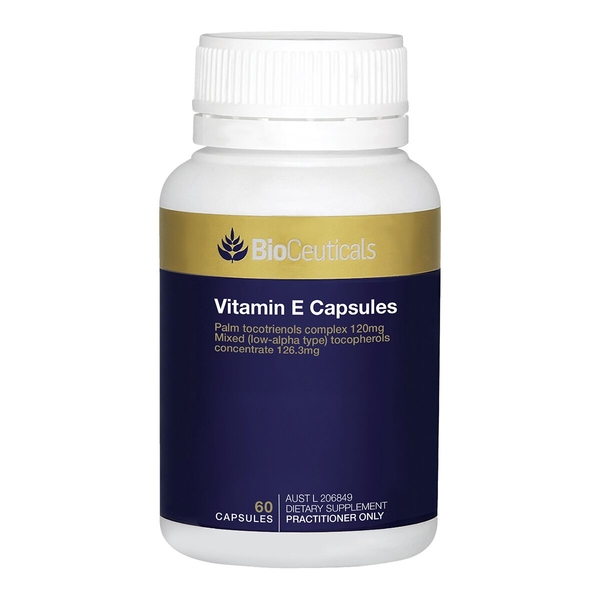
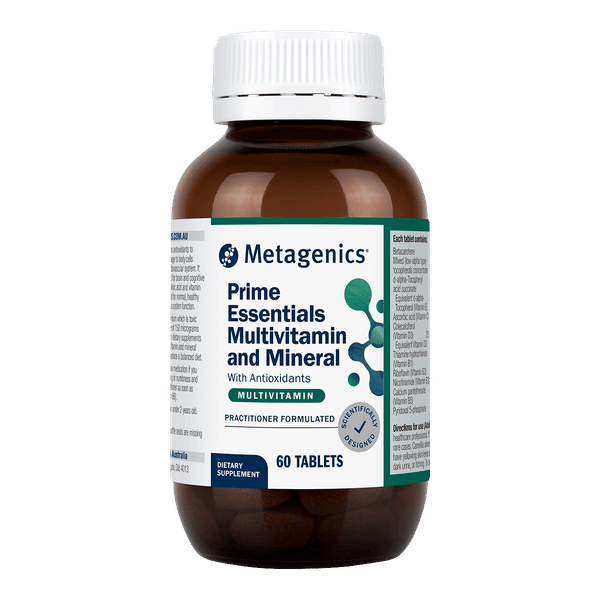
- Tocopherols concentrate - mixed (low-alpha type) 12 mg
- d-alpha-Tocopheryl acid succinate 123 mg equiv. vitamin E 149 IU
- Ascorbic acid (Vitamin C) 100 mg
- Cholecalciferol 25 μg equiv. vitamin D3 1000 IU
- Co-methylcobalamin (Vitamin B12) 400 μg
- Zinc bisglycinate (Zinc amino acid chelate) 50 mg equiv. zinc 10 mg
- Vitis vinifera ext. 158 mg
- Camellia sinensis ext. 120 mg
- Beta-carotene carotenoids (Vitamin A) 6 mg
- Thiamine hydrochloride (Vitamin B1) 50 mg
- Riboflavin (Vitamin B2) 20 mg
- Nicotinamide (Vitamin B3) 100 mg
- Calcium pantothenate (Vitamin B5) 50 mg
- Pyridoxal 5-phosphate (P5P) 5 mg
- Pyridoxine hydrochloride (Vitamin B6) 30 mg
- Calcium folinate (Activated folate) 433 μg equiv. folinic acid 400 μg
- Biotin 50 μg
- Borax 26 mg equiv. boron 3 mg
- Manganese amino acid chelate 16 mg equiv. manganese 2.5 mg
- Chromic chloride 769 μg equiv. chromium 150 μg
- Molybdenum trioxide 188 μg equiv. molybdenum 125 μg
- Selenomethionine 188 μg equiv. selenium 75 μg
- Potassium iodide 131 μg equiv. iodine 100 μg
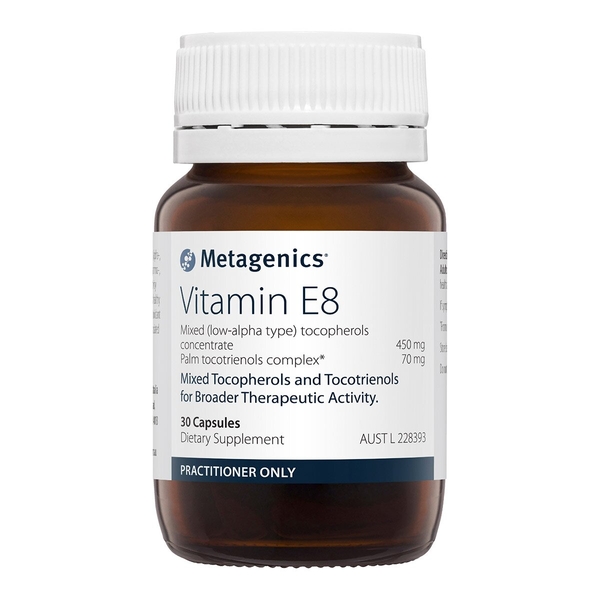
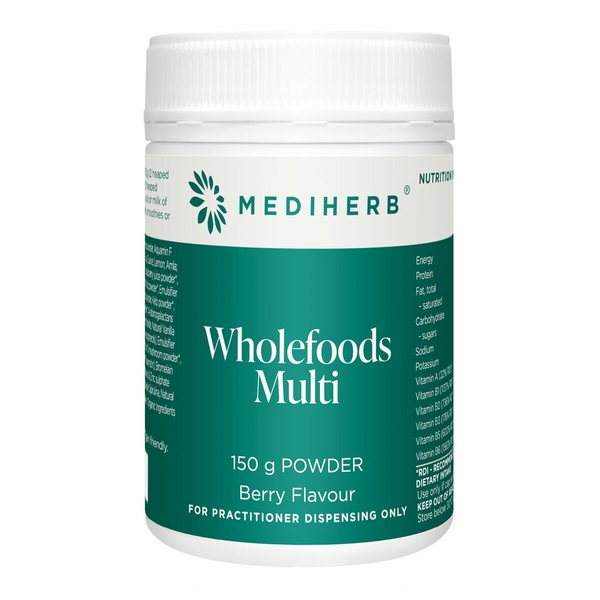
- Tocopherols concentrate - mixed (Vitamin E)
- Beta vulgaris powder
- Lithothamnion tophiforme (Red algae)
- Phyllanthus emblica
- Glycine
- Curry leaf extract
- Psidium guajava (Guava)
- Citrus limon (Lemon)
- Ocimum tenuiflorum
- Bixa orellana
- Soy lecithin
- Aristotelia chilensis (Maqui berry)
- Adansonia digitata (Baobab)
- Choline bitartrate
- Rosa canina powder
- Laminaria digitara (Kelp)
- Amaranth powder
- Millet (sprout)
- Quinoa powder
- Larix spp.
- Coconut water powder
- Cysteine hydrochloride
- Natural vanilla flavour
- Citrus bioflavonoids extract
- Inositol
- Natural blackcurrant flavour
- Mushroom powder
- Ascorbic acid (Vitamin C)
- Thaumatin
- Ananas comosus (Bromelain)
- Magnesium phosphate tribasic
- Zinc sulphate monohydrate
- Arthrospira platensis (Spirulina)
- Sodium molybdate
- Citric acid anhydrous
- Natural raspberry flavour
- Natural cranberry flavour
- Chlorella vulgaris powder
- Stevia rebaubiana
- Fagopyrum esculentum powder
- Salvia hispanica (seed) powder
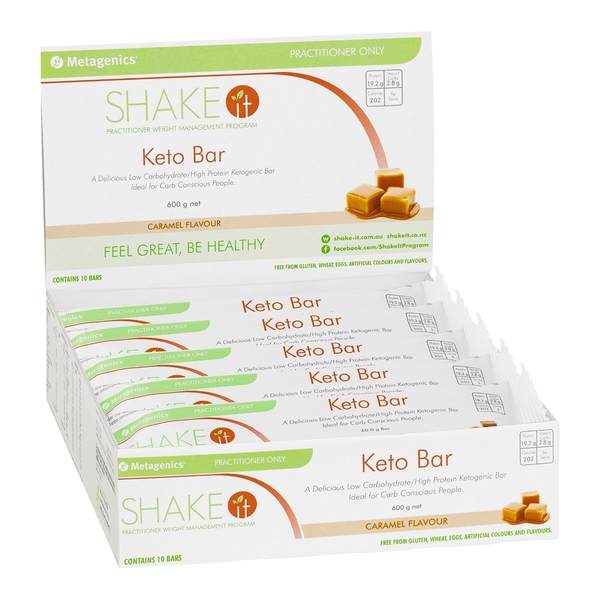
- d-alpha-Tocopheryl acid succinate
- Tocopherols concentrate - mixed (Vitamin E)
- Soy protein isolate
- Whey protein concentrate
- Calcium caseinate
- Maltitol
- Theobroma cacao (Cocoa solids)
- Milk solids powder
- Soy lecithin
- Polyglycerol polyricinoleate (E-476)
- Natural vanilla flavour
- Polydextrose
- Glycerol
- Sorbitol
- Sunflower oil
- Natural flavours
- Thiamine hydrochloride (Vitamin B1)
- Riboflavin (Vitamin B2)
- Pyridoxine hydrochloride (Vitamin B6)
- Ascorbic acid (Vitamin C)
- Cholecalciferol
- Nicotinamide (Vitamin B3)
- Calcium pantothenate (Vitamin B5)
- Calcium hydrogen phosphate
- Ferrous fumarate
- Zinc bisglycinate (Zinc amino acid chelate)
- Chromium nicotinate
- Copper gluconate
- Manganese amino acid chelate
- Potassium iodide
- Biotin
- Theobroma cacao (Cocoa powder)
- Acacia sp. (fibre)
- Stevia rebaubiana
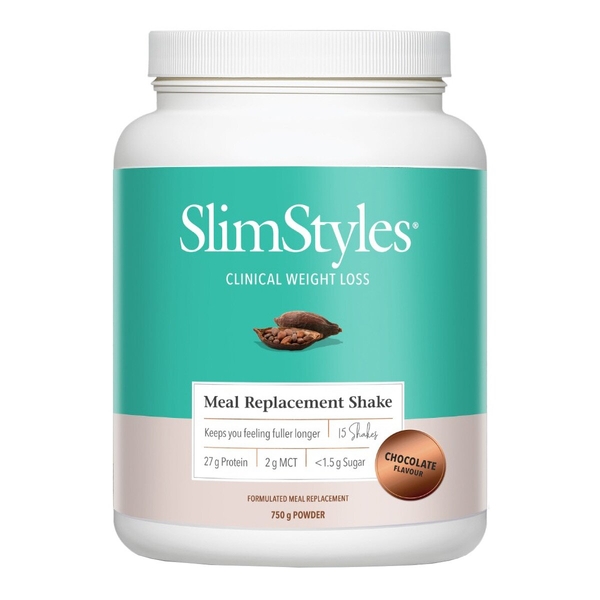
- d-alpha-Tocopheryl acetate
- Whey protein concentrate
- Whey protein isolate
- Soy lecithin
- Theobroma cacao (Cocoa powder)
- Medium Chain Triglycerides (powder) (MCT)
- Calcium phosphate dibasic
- Flavour
- Magnesium citrate
- Cyamopsis tetragonoloba (Guar gum)
- Calcium citrate
- Zinc gluconate
- Ascorbic acid (Vitamin C)
- Beta-carotene carotenoids (Vitamin A)
- Chromium chloride
- Ferrous fumarate
- Calcium pantothenate (Vitamin B5)
- Riboflavin (Vitamin B2)
- Sodium selenite
- Thiamine hydrochloride (Vitamin B1)
- Cyanocobalamin (Vitamin B12)
- Biotin
- Potassium iodide
- Sodium molybdate
- Niacinamide (Vitamin B3)
- Copper sulfate
- Manganese citrate
- Cholecalciferol
- Folic acid
- Pyridoxine hydrochloride (Vitamin B6)


- d-alpha-Tocopheryl acid succinate (Vitamin E)
- Tocopherols concentrate - mixed (Vitamin E)
- Pea protein isolate 8.3 g
- Lactobacillus acidophilus 1.58 billion CFU
- Bifidobacterium bifidum 1.58 billion CFU
- Marine algae 500 mg
- Linum usitatissimum (seed) (Flaxseed) 250 mg
- Sunflower lecithin 200 mg
- Spinacia oleracea (Spinach) 100 mg
- Beta vulgaris (root) powder (Beetroot) 100 mg
- Daucus carota powder (Carrot) 100 mg
- Arthrospira platensis (Spirulina) 100 mg
- Wheatgrass powder 100 mg
- Zingiber officinale powder 40 mg
- Ribes nigrum powder 200 mg
- Vitis vinifera powder 200 mg
- Malpighia glabra powder 100 mg
- Lycium chinese powder 100 mg
- Vaccinium myrtillus powder 100 mg
- Bacopa monnieri powder 50 mg
- Taraxacum officinale powder 30 mg
- Malus (fibre) powder (Apple) 587 g
- Apple pectin 200 mg
- Plantago ovata (husk) (Psyllium) 100 mg
- Citric acid anhydrous 150 mg
- Citrus bioflavonoids extract 70 mg
- Ananas comosus (Bromelain) 30 mg
- R,S-alpha lipoic acid 20 mg
- Beta glucan 11.5 mg
- Dunaliella salina 8 mg
- Lutein 2 mg
- Zeaxanthin (Carotenoids) 400 µg
- Natural chocolate flavour
- Potassium phosphate dibasic
- Calcium citrate
- Ascorbic acid (Vitamin C)
- Zinc gluconate
- Thaumatin
- Nicotinamide (Vitamin B3)
- Manganese gluconate
- D-calcium pantothenate (Vitamin B5)
- Selenomethionine
- Retinyl palmitate
- Riboflavin (Vitamin B2)
- Thiamine hydrochloride (Vitamin B1)
- Pyridoxine hydrochloride (Vitamin B6)
- Folate
- Chromium picolinate
- Cholecalciferol
- Fucus vesiculosus powder 97 mg
- Stevia rebaubiana powder
- Phytomenadione (Vitamin K1)
- Copper gluconate
- Calendula officinalis powder
- Biotin
- Cyanocobalamin (Vitamin B12)
- Theobroma cacao powder 2.1 g
- Brassica oleracea var. italica powder 100 mg
- Carica papaya 50 mg
- Hordeum vulgare 100 mg
- Natural vanilla flavour
- Magnesium gluconate
- Menaquinone 7 (Vitamin K2)
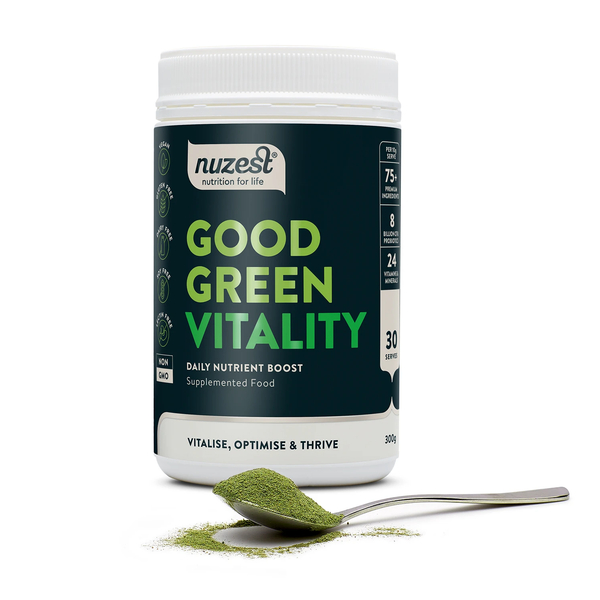
- Tocopherols concentrate - mixed (Vitamin E)
- Tocopherols concentrate - mixed (Vitamin E)
- Pea protein isolate
- Malus (Apple)
- Apple pectin
- Arthrospira platensis (Spirulina)
- Linum usitatissimum (seed) (Flaxseed)
- Sunflower lecithin
- Marine algae
- Wheatgrass powder
- Beta vulgaris (root) powder (Beetroot)
- Brassica oleracea var. italica (Broccoli)
- Chlorella pyrenoidosa powder
- Spinacia oleracea (Spinach)
- Daucus carota powder (Carrot)
- Zingiber officinale
- Glycyrrhiza glabra (root)
- Cynara scolymus
- Ribes nigrum
- Vitis vinifera
- Malpighia glabra
- Vaccinium myrtillus
- Camellia sinensis
- Rosa canina
- Centella asiatica
- Silybum marianum
- Rhodiola rosea
- Rosmarinus officinalis
- Withania somnifera
- Taraxacum officinale
- Lycium chinese (berry)
- Citric acid anhydrous
- Citrus bioflavonoids extract
- R,S-alpha lipoic acid
- Beta glucan
- Ubiquinol-10 (Coenzyme Q10)
- Dunaliella salina
- Lactobacillus acidophilus
- Bifidobacterium bifidum
- Potassium phosphate dibasic
- Magnesium citrate
- Ascorbic acid (Vitamin C)
- Natural vanilla flavour
- Natural pineapple flavour
- Zinc citrate
- Selenomethionine
- D-calcium pantothenate (Vitamin B5)
- Nicotinamide (Vitamin B3)
- Pyridoxine hydrochloride (Vitamin B6)
- Retinyl palmitate
- Cholecalciferol
- Copper gluconate
- Thiamine hydrochloride (Vitamin B1)
- Riboflavin (Vitamin B2)
- Folate
- Chromium picolinate
- Panax ginseng
- Fucus vesiculosus
- Stevia rebaubiana (leaf)
- Phytomenadione (Vitamin K1)
- Biotin
- Cyanocobalamin (Vitamin B12)
- Lentinula edodes (fruiting body)
- Ulmus rubra (bark inner) powder
- Hordeum vulgare
- Plantago ovata (husk) (Psyllium)
- Theobroma cacao
- Astragalus membranaceus
- Manganese gluconate
- Menaquinone 7 (Vitamin K2)
- Fallopia japonica
- Amylase enzyme
- Protease
- Lipase
- Cellulase
- Lactase
- Euterpe oleracea (berry) ext. (Acai)
- Bacopa monnieri
- Salvia officinalis
- Vaccinium macrocarpon
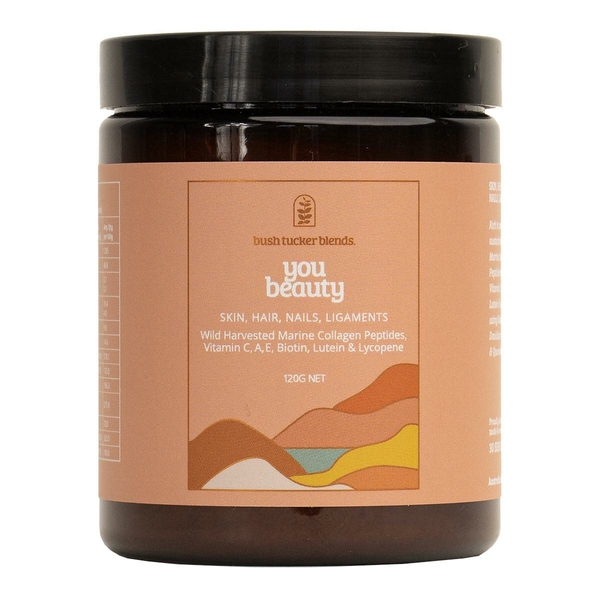
- Tocotrienols (Vitamin E)
- Terminalia ferdinandiana
- Davidson plum powder
- Marine collagen peptides
- Hippophae rhamnoides powder
- Green banana
- Berry flavour
- Lycopersicon esculentum powder
- Sesamum indicum
- Daucus carota powder
- Bambusa arundinacea
- Sesbania sp.
- Santalum acuminatum
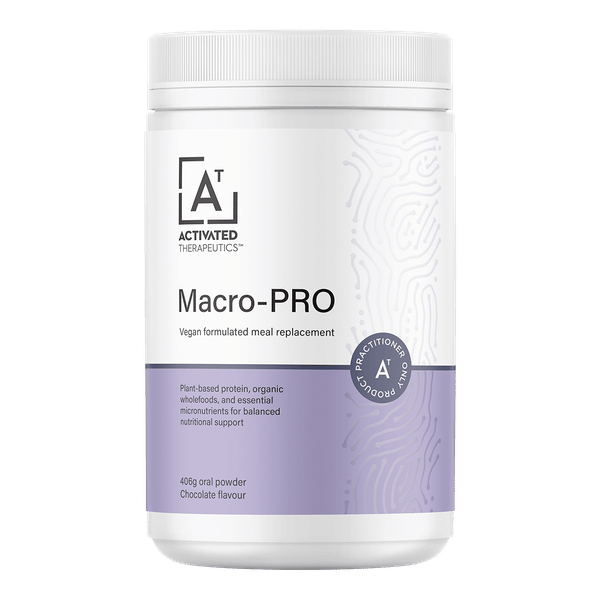
- Vitamin E
- Sprouted and fermented pea protein
- Sprouted brown rice protein
- Theobroma cacao (Cocoa powder)
- Coconut milk powder
- Quinoa powder
- Pea (fibre) sprouted
- Inulin (Dietary fibre)
- Chia (seed)
- Linum usitatissimum (seed) (Flaxseed)
- Brassica oleracea var. italica
- AlgaeCal
- high vitamin D mushroom powder
- Magnesium phosphate tribasic
- Dark chocolate
- Calcium citrate
- Natural vanilla flavour
- Thaumatin
- Sunflower lecithin
- Ascorbic acid (Vitamin C)
- Potassium chloride
- Nicotinamide (Vitamin B3)
- Zinc oxide
- Retinol palmitate
- Riboflavin (Vitamin B2)
- Calcium pantothenate (Vitamin B5)
- Pyridoxine hydrochloride (Vitamin B6)
- Thiamine hydrochloride (Vitamin B1)
- Ferrous fumarate
- Folic acid
- Potassium iodide
- Cyanocobalamin (Vitamin B12)
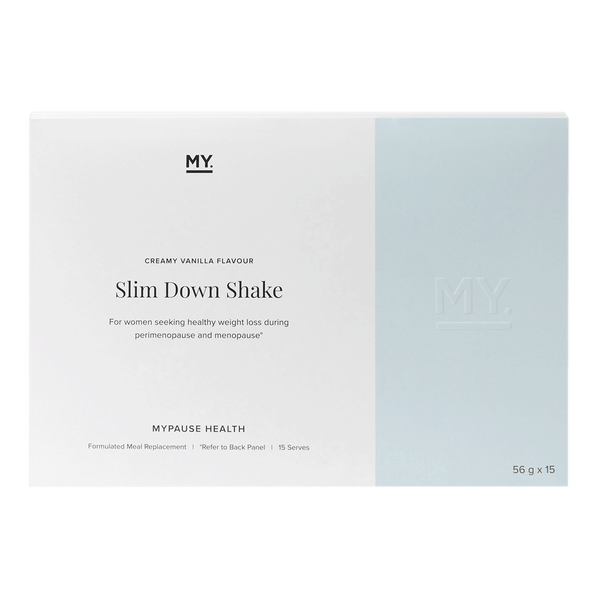
- dl-alpha-Tocopheryl acetate
- Pea protein isolate
- Pea Fibre
- Medium Chain Triglycerides (powder) (MCT)
- Isomalto-oligosaccharide (Soluble Fibre from Tapioca Starch)
- Coconut sugar
- Cyamopsis tetragonoloba (Guar gum)
- Xanthan gum
- Acacia Gum
- Coconut milk powder
- Natural vanilla flavour
- Plantago ovata (husk) (Psyllium)
- Stevia rebaubiana
- Luo Han Guo (fruit) ext. (Monk fruit)
- Calcium lactate
- Magnesium oxide
- Maltodextrin
- Calcium ascorbate
- Ferric pyrophosphate
- Zinc sulphate
- Potassium iodide
- Nicotinamide (Vitamin B3)
- Retinol acetate
- Ergocalciferol (Vitamin D2)
- Thiamine hydrochloride (Vitamin B1)
- Riboflavin (Vitamin B2)
- Cyanocobalamin (Vitamin B12)
- Pyridoxine hydrochloride (Vitamin B6)
- Folic acid
.png "<img src='https://images.vital.ly/tr:w-350,c-at_max,dpr-2,q-100/Amazonia_Raw_Real_Food_Nutrients_Organic_Multi-Vitamin_Pineapple_200_g_(1).png' />")
- Vitamin E
- Beta-carotene
- Malpighia glabra (berry)
- Lentinula edodes equiv. vitamin D
- Psidium guajava
- Laminaria digitara
- Nutritional yeast flakes (Dried yeast)
- Lentinula edodes equiv. vitamin B12
- Sunflower seed
- Organic Rice Starch
- Organic Acacia Fibre
- Arthrospira maxima powder (Spirulina)
- Natural pineapple flavour
- Organic Apple Juice
- Bambusa breviflora
- Stevia rebaubiana
- Luo Han Guo (fruit) ext. (Monk fruit)
- Organic Sea Mineral Complex (Calcium & Trace Minerals)
- Organic Vitamin B Complex (Vitamins B1, B2, B3, B5, B6, B9)


