The transition from university into clinical practice can be overwhelming. Many graduates feel pressure to have all the answers while comparing themselves to experienced practitioners who appear to have everything figured out.
After years of studying herbs, nutritional biochemistry and clinical theory, what many graduates still lack is the confidence that only comes through experience and hands-on clinical learning.
“When you start seeing real clients, when you’re the practitioner in the room, it suddenly feels very different. No one really prepares you for that.”
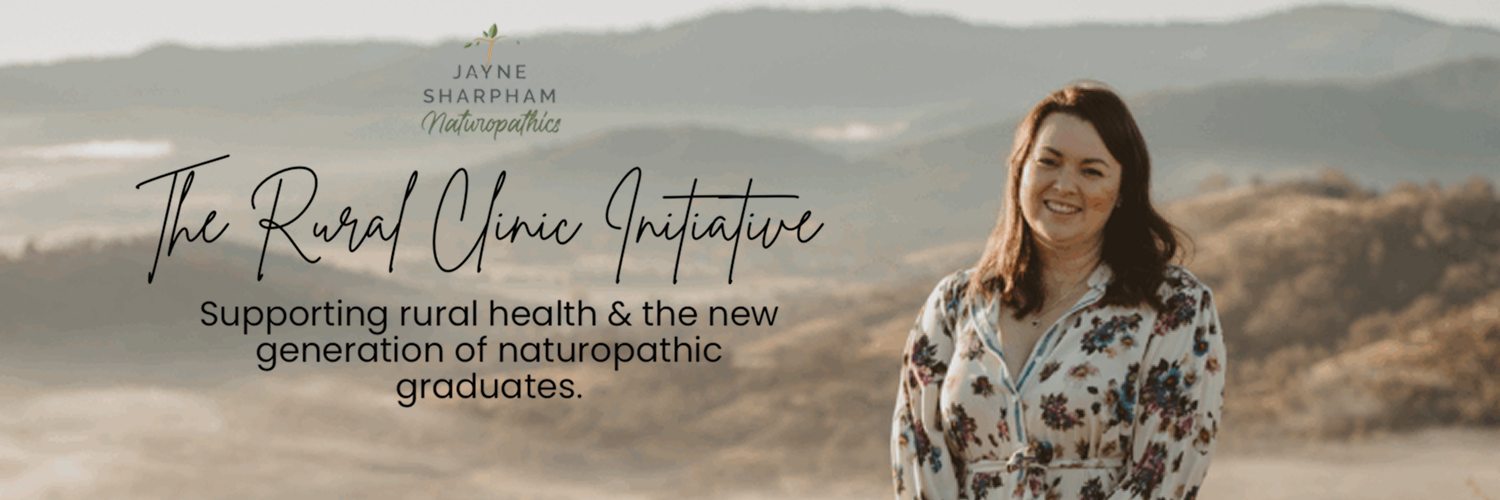
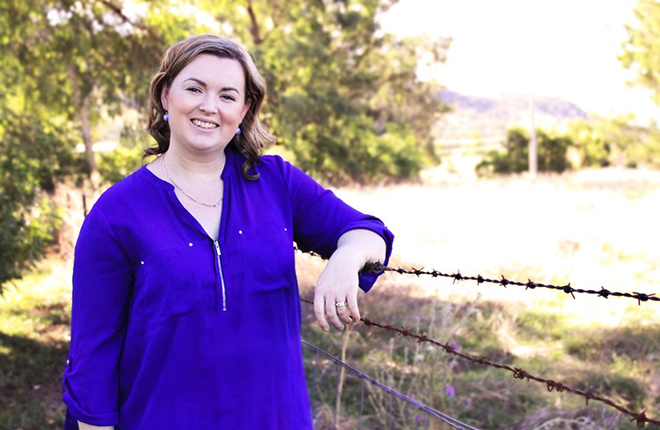
That’s what Jayne Sharpham, a naturopath based in Tamworth, NSW, with almost two decades of experience, has found when bringing recent graduates into her clinic.
It is this gap between knowledge and experience, where confidence is built, that inspired Jayne to launch the Rural Clinic Initiative.
A week-long immersive residency program for newly graduated naturopaths transitioning from student life to clinical practice, the Rural Clinic Initiative focuses on building practical skills and clinical reasoning through hands-on experience and genuine practitioner guidance in a rural clinic setting.
Hands-on Clinical Learning
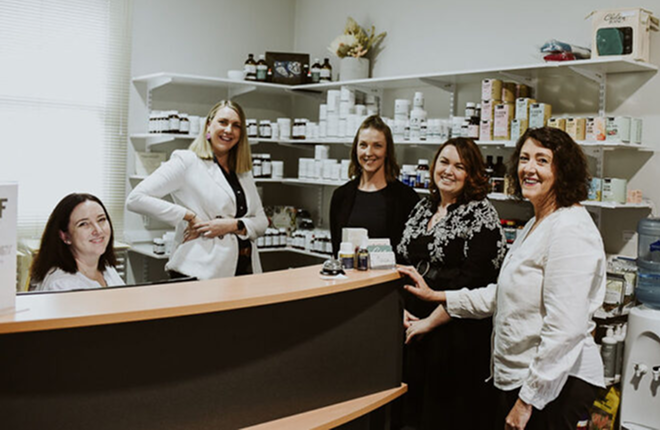
Jayne runs a busy regional clinic with multiple naturopathic practitioners, creating an ideal environment for immersive learning and mentorship.
To further support emerging practitioners, vital.ly and BioClinic Naturals are also sponsoring three scholarship opportunities for participants attending the program.
“We're inviting people to come in, whether that’s as fourth-year students or first- and second-year graduates, and be part of our clinical process, and learn how to ensure they're running their consults efficiently to get the best outcomes for patients.”
Participants will experience hands-on clinical learning, receive mentoring from experienced practitioners, have education sessions with leading testing companies, and build meaningful connections with other graduates on the same journey.
"New graduates shouldn’t have to navigate the early years alone, and rural communities need well-supported practitioners," says Jayne.
The Importance of Mentorship
In Jayne’s experience, recent graduates can easily become overwhelmed when approaching a new case.
"They're trying to fix all the issues in one appointment, rather than looking at the most important thing and then working on chronic management for that particular patient."
Jayne has also found that many recent graduates are not yet familiar with the full range of products available to them, how to compare those products effectively, or the types of testing that can support clinical decision-making.
"It’s hard to learn how to make quick clinical decisions when you've got a patient sitting in front of you. It’s easy for recent grads to get really bogged down in the fine detail of a case, and start overthinking and spending hours on treatment plans, only to have the patient not even read half of what they're writing."
That’s why Jayne believes mentoring is such an important part of growth as a practitioner.
"When I graduated 20 years ago, we didn't have the online communities that we have now, so I very much felt alone. I had to build my practice up patient by patient. I even remember doing mailbox drops to get patients."
"And then as the online world evolved, and I was able to connect with other practitioners, and then through live trainings as well at different conferences, you really feel like you can connect with people. And I think that's really important when you're starting out as a clinician, that you have that connection, which I didn't have."
“Mentorship has been really important for growing my confidence in being a business owner as well, not just in my clinical experience or knowledge. So much so that I want to help the next generation of practitioners as well, so they're practice-ready. This initiative is about filling those gaps for people so they can be successful and practice with confidence.”
Health Challenges Faced in Rural Australia
When Jayne was nine years old, her family moved to Tamworth, and the differences in the healthcare available were quite confronting.
"There weren’t a lot of GPs, and there was only one naturopath in Tamworth. Because of the lack of accessible services, people often have to travel significant distances for quality healthcare, whether that’s to see specialists, integrative doctors or access other health services."
The lack of healthcare options affected her family directly. When Jayne was a teenager, her mother was very unwell with chronic fatigue syndrome.
"I watched how she struggled to improve her health. She wasn't getting answers with mainstream medicine and was essentially told to ‘go home, take an antidepressant, have a sleep, you'll be fine.’ It was really distressing to watch her struggle with her health."
Jayne’s mother was eventually able to see a naturopath and travel to Sydney to consult an integrative medicine practitioner. Watching her mother recover through naturopathy and nutritional medicine inspired Jayne to follow the same career path.
Now, nearly two decades into practice, Jayne says distance remains one of the biggest challenges facing rural and regional communities.
"I'll get patients coming down from Moree and Narrabri seeking healthcare. Even with Telehealth as an option, these people still want that face-to-face connection and relationship. We see people coming to Tamworth to spend a few days seeing their naturopath, GP, dentist or chiropractor. They’re coming in for a complete health check and to do a big shop in town, sometimes taking the whole week."
"These people who live on large properties don't always have access to a lot of fresh produce or quality produce, and that really impacts their health. There’s also the isolation that distance brings, particularly for women within farming communities. They're handling a lot of these challenges on their own, just putting up with it, and that can have a significant impact on stress levels, wellbeing and their experience of perimenopause."
"We see some unique health challenges in regional communities, including exposure to agricultural chemicals and environmental toxins, nutritional deficiencies, chronic conditions, allergies and respiratory issues."
Jayne believes the tyranny of distance can also limit awareness of the healthcare options available.
“I think there's a real lack of awareness of what's there. Traditionally, Tamworth has probably been quite a conservative community, so people have been unsure about what naturopaths can do, what they can offer, and how they can be supported by them. I’m really trying to help change that narrative.”
"I love living regionally. My family tried living in the city for a couple of years, but it really wasn't for us. Coming back to regional Australia is where my heart lies, and I want to help people here because people who live regionally also deserve access to great healthcare."
A shortage of practitioners working in regional communities is another reason Jayne launched the Rural Clinic Initiative.
"I've really seen that when I've tried to recruit practitioners and encourage people to come and live and work out here. I really want to help bridge that gap."
As part of the Rural Clinic Initiative, participants will also experience regional life firsthand through a farm visit and local experiences.
"I want to help people understand how great it is to live and work in these areas, because it's quite unique. Rural communities need practitioners who feel confident and capable, and there is so much value in working in these spaces."
The Rural Clinic Initiative is an Opportunity to Kick-Start Your Career
Jayne has seen students and recent graduates who have been mentored through her clinic progress from lacking confidence to becoming capable practitioners with meaningful real-world experience.
Running in Tamworth from Monday 7 September to Friday 11 September 2026, the Rural Clinic Initiative is limited to just ten participants and includes:
- Five days inside a busy regional naturopathic clinic
- Observation of real client consultations
- Practical training in testing and how to apply it clinically
- Guidance on confident prescribing
- Hands-on experience developing compounded nutritional powders
- Product knowledge, samples and GP referral templates
- A CPE certificate upon completion
Jayne says she would love to see the Rural Clinic Initiative grow to the point where multiple groups can participate each year.
“We love helping new graduates really find their confidence to practice. I'd love to be able to recruit off the back of it, so then we can bring people in to work within our space here or build an online opportunity for them, and really enhance the accessibility of natural medicine to rural communities. That would be a big goal of mine.”
For graduates looking to bridge the gap between study and practice, the Rural Clinic Initiative offers a rare opportunity to learn alongside experienced clinicians, build real-world confidence, and experience firsthand the impact practitioners can have in regional communities.
You can learn more about the Rural Clinic Initiative here, including program details and application information.
vital.ly and Bioclinic Naturals Scholarship Opportunities
To help support the next generation of practitioners, vital.ly and Bioclinic Naturals are proud to sponsor three scholarship opportunities for participants attending the Rural Clinic Initiative.
The scholarships have been created to help reduce financial barriers to professional development and provide emerging practitioners with access to hands-on clinical learning, mentorship and real-world experience in a supportive rural practice environment.
The available scholarships include:
- One Full Scholarship valued at $2,800, covering the full program fee
- Two Partial Scholarships valued at $1,880 each, including $1,000 off the program fee and complimentary accommodation valued at $880
Whether you're a final-year student preparing for practice or a recent graduate looking to build confidence in clinical decision-making, this is an opportunity to learn alongside experienced practitioners and gain practical experience in a real-world clinical setting.
Scholarship applications are open to applicants from both metropolitan and regional areas.
Applications close on 15 July 2026 at 12:00 midnight.