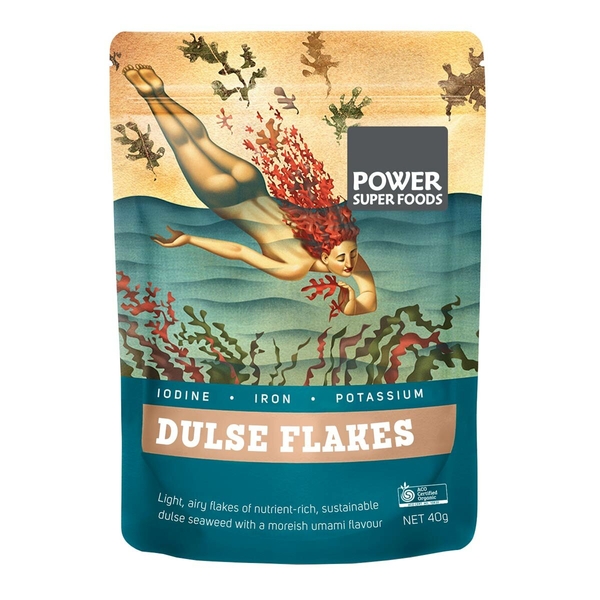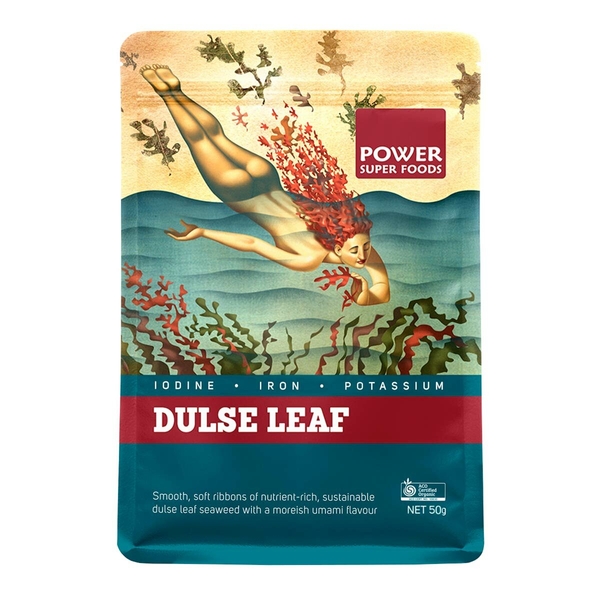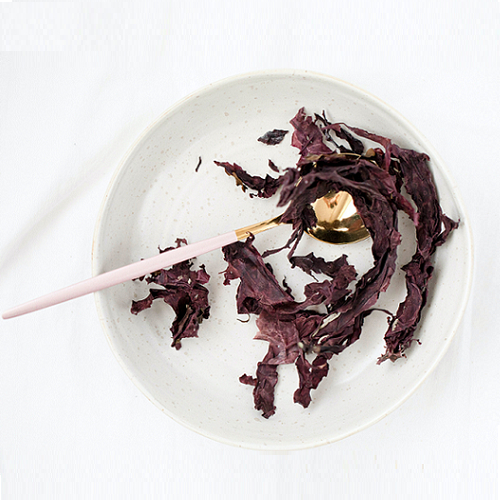
Background
Dulse is a rich source of iodine, potassium, and protein. It has effects that might reduce inflammation and lower cholesterol.
People use dulse for high cholesterol, iodine deficiency, and other conditions, but there is no good scientific evidence to support these uses.
Don't confuse dulse with other types of seaweed, including Ascophyllum nodosum, blue-green algae, and others. These are not the same.
Safety Safety definitions
When applied to the skin: Dulse is possibly safe when used appropriately.
Special Precautions & Warnings:
Pregnancy and breast-feeding: Dulse is commonly consumed in foods. But there isn't enough reliable information to know if dulse is safe to use in larger amounts as medicine when pregnant or breast-feeding. Stay on the safe side and stick to food amounts.Kidney problems: Dulse might cause dangerously high potassium levels in people with kidney problems. Don't take dulse if you have kidney problems.
Thyroid problems: Dulse contains large amounts of iodine. This might make thyroid problems worse. Don't take dulse if you have thyroid problems.
Effectiveness
Dosing & administration
Interactions with pharmaceuticals
Amiodarone (Cordarone)
Interaction Rating=Moderate Be cautious with this combination.
Amiodarone contains iodine. Dulse also contains iodine. Taking dulse along with amiodarone might increase the levels of iodine in the blood. Too much iodine in the blood can cause side effects that affect the thyroid.
Digoxin (Lanoxin)
Interaction Rating=Moderate Be cautious with this combination.
Dulse contains large amounts of potassium. Large amounts of potassium can increase the effects and side effects of digoxin. Talk to your healthcare provider if you take digoxin.
Medications for an overactive thyroid (Antithyroid drugs)
Interaction Rating=Moderate Be cautious with this combination.
Dulse contains iodine. Iodine can increase or decrease thyroid function. Taking dulse along with medications for an overactive thyroid might change the effects of these medications.
Medications for high blood pressure (ACE inhibitors)
Interaction Rating=Minor Be watchful with this combination.
Dulse contains large amounts of potassium. Some medications for high blood pressure can increase potassium levels in the blood. Taking dulse along with some medications for high blood pressure might cause too much potassium in the blood.
Medications for high blood pressure (Angiotensin receptor blockers (ARBs)
Interaction Rating=Minor Be watchful with this combination.
Dulse contains large amounts of potassium. Some medications for high blood pressure can increase potassium levels in the blood. Taking dulse along with some medications for high blood pressure might cause too much potassium in the blood.
Thyroid hormone
Interaction Rating=Moderate Be cautious with this combination.
The body naturally produces thyroid hormones. Dulse might increase how much thyroid hormone the body produces. Taking dulse along with thyroid hormone pills might increase the effects and side effects of thyroid hormones.
Water pills (Potassium-sparing diuretics)
Interaction Rating=Minor Be watchful with this combination.
Dulse contains large amounts of potassium. Some "water pills" can also increase potassium levels in the body. Taking some "water pills" along with dulse might cause potassium levels to become too high.
Interactions with herbs & supplements
Potassium: Dulse contains potassium. Taking it along with potassium supplements might raise potassium levels too much.
Interactions with foods