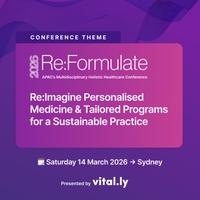
On Saturday, more than 400 attendees from every state and territory of Australia, as well as New Zealand, gathered at the Winx Stand at Royal Randwick in Sydney for Re:Formulate 2026 - a day of learning, connection and shared purpose centred on the theme of ‘Re:Imagine Personalised Medicine & Tailored Programs for a Sustainable Practice’.
Registration & Check-In
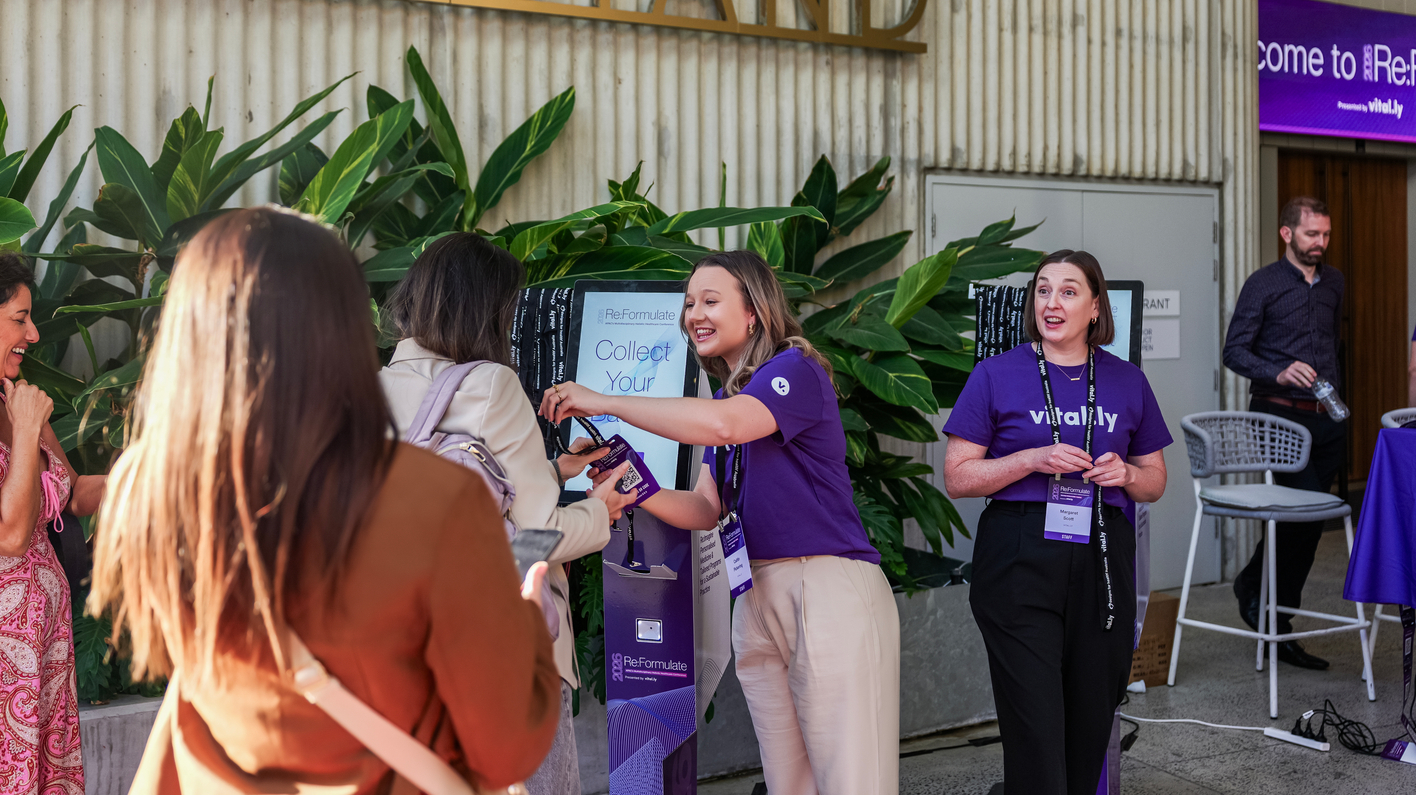
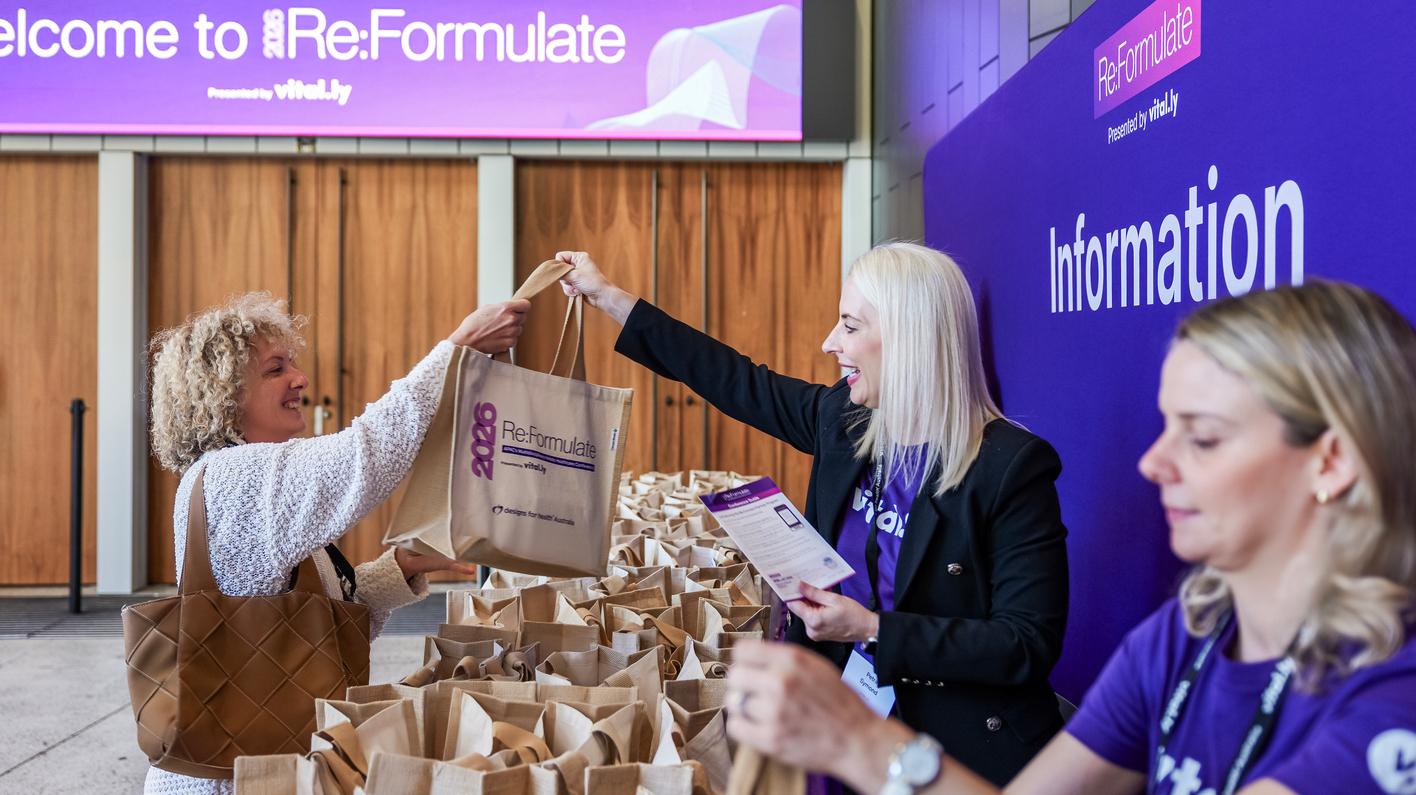
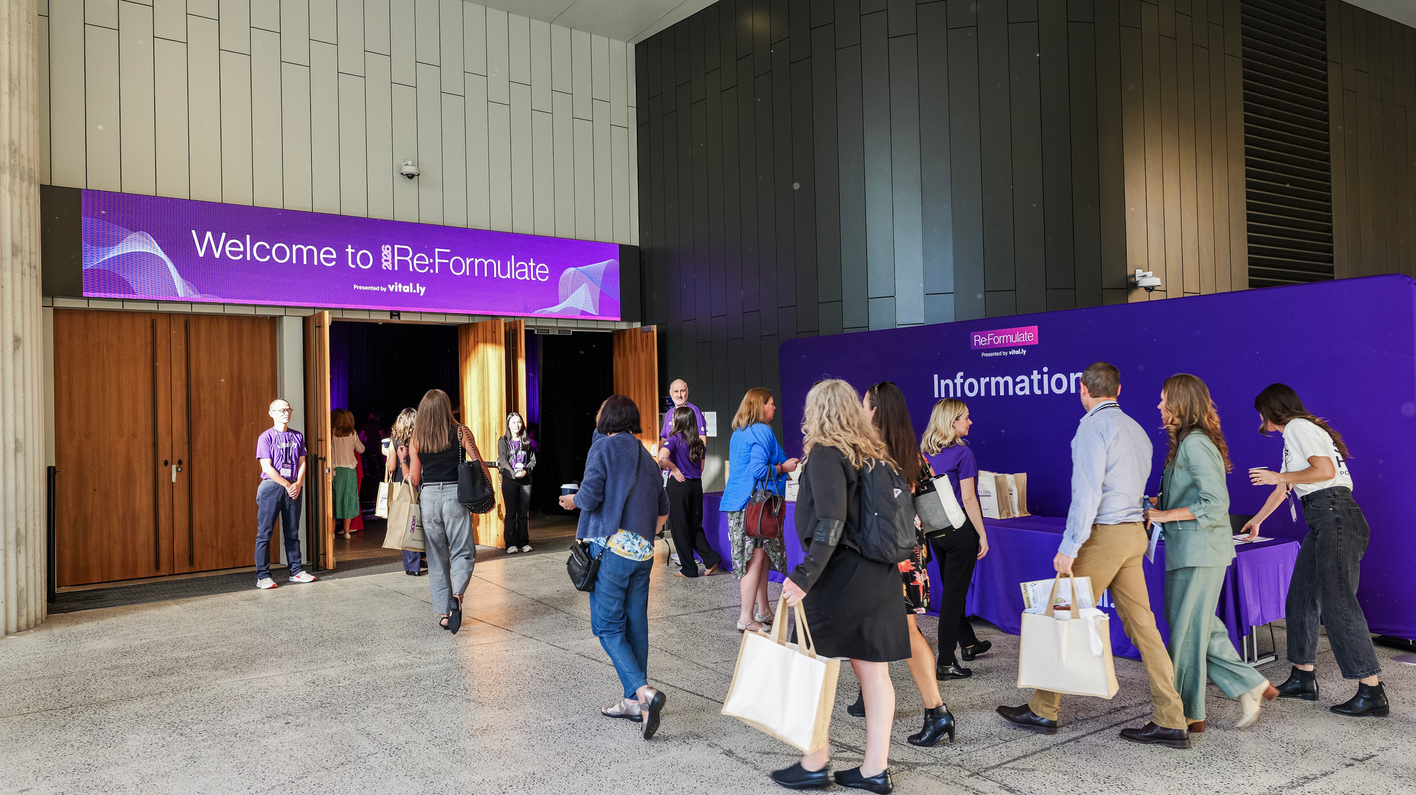
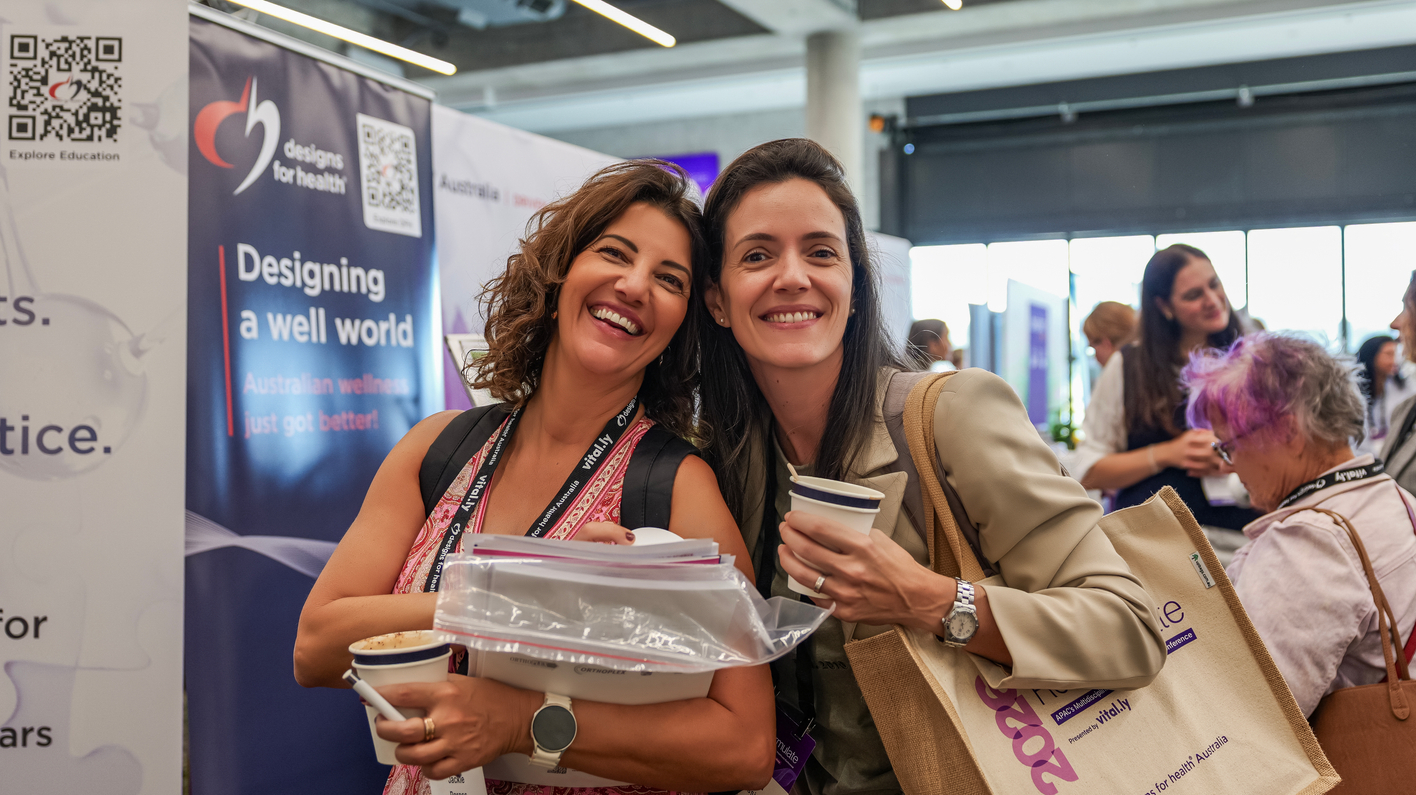
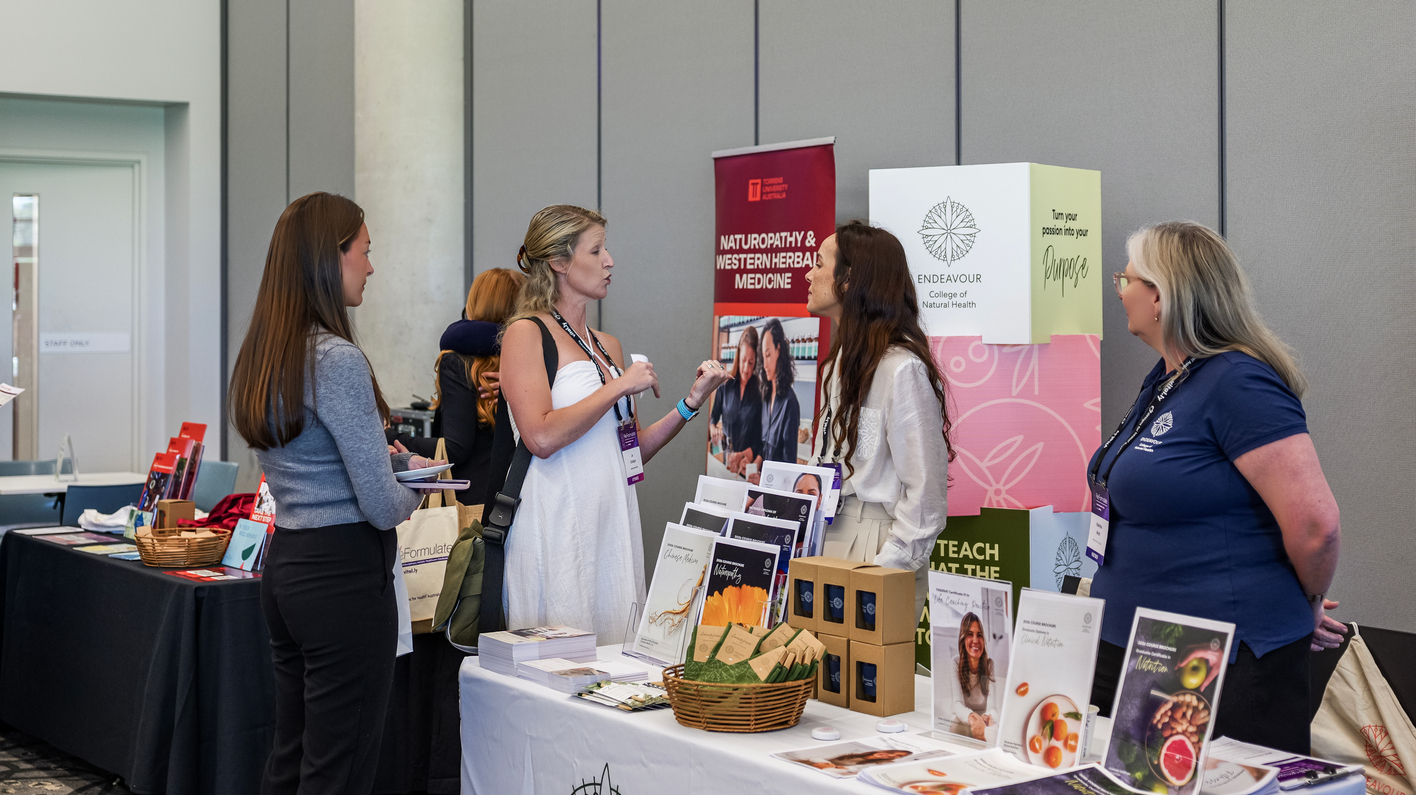
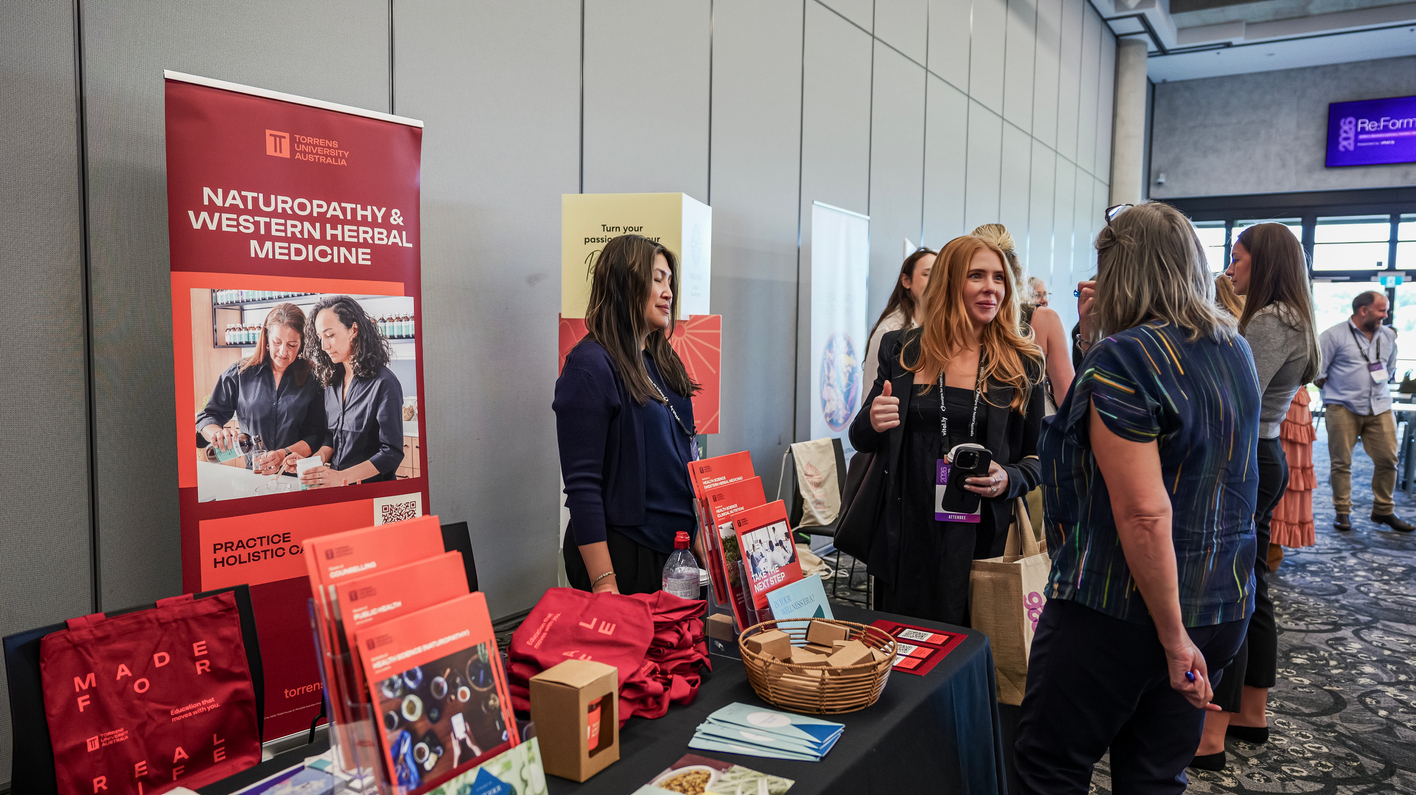
Registration opened at 8am. Once we had checked in via the self-service kiosks and secured our badges and show bags, we were off to the Exhibition Hall for a barista coffee and to take in the energy of the event.
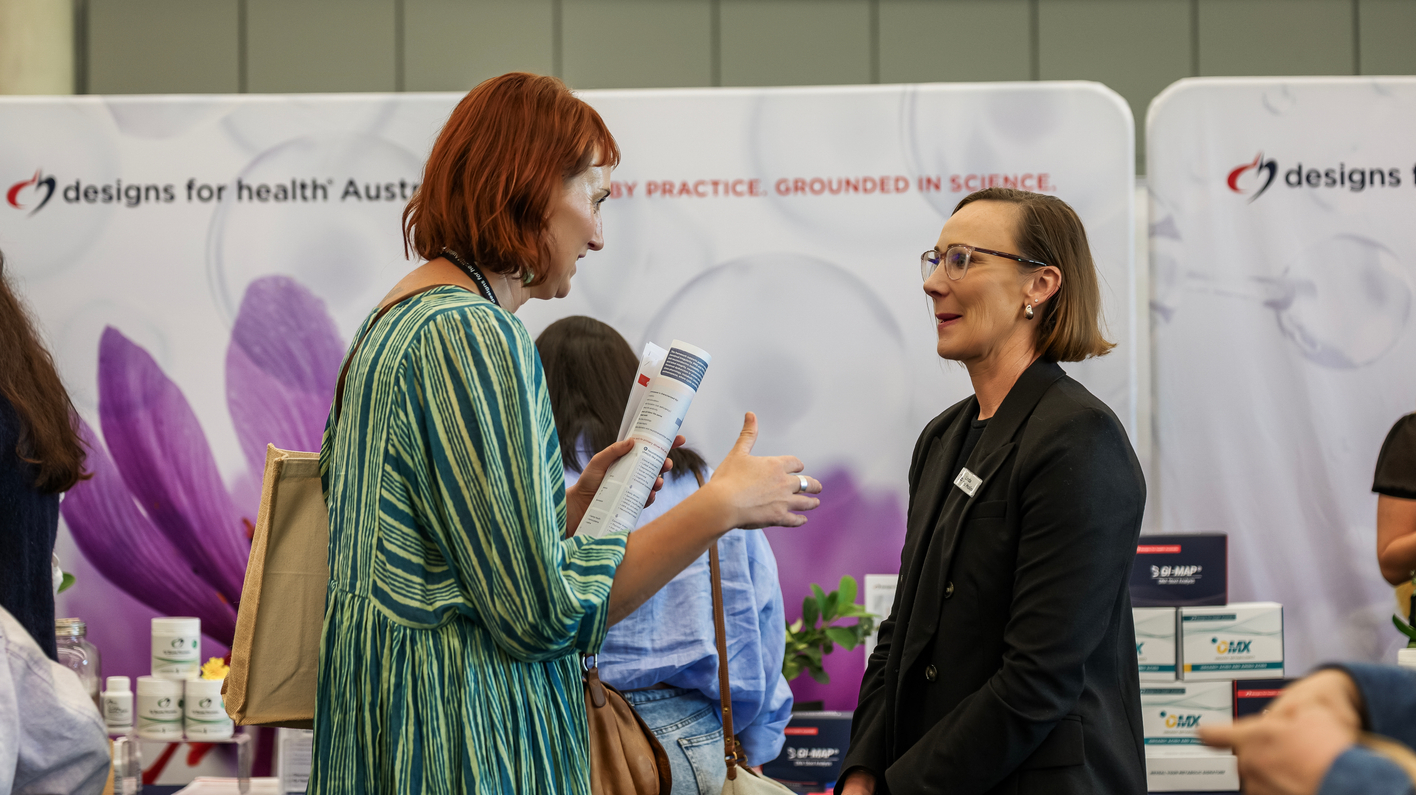
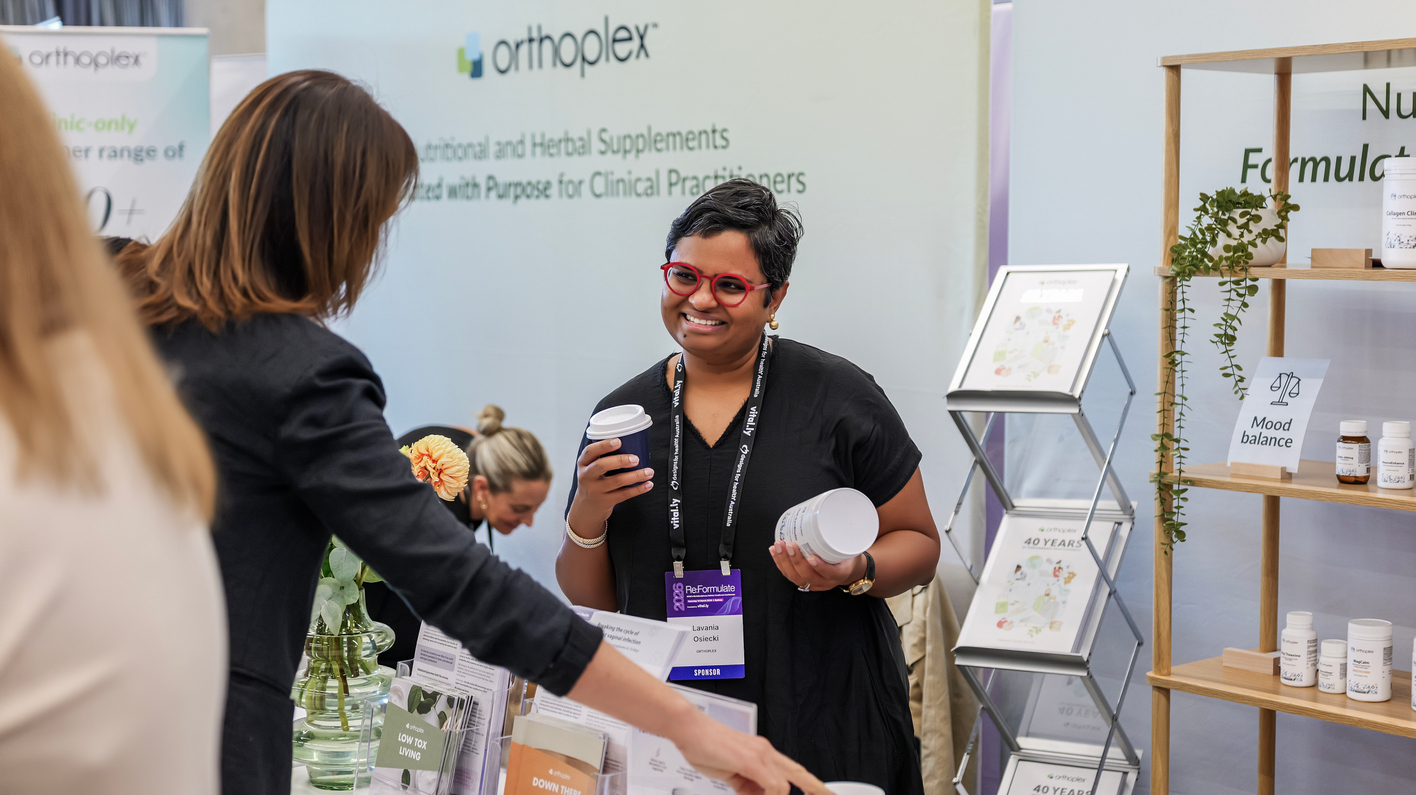
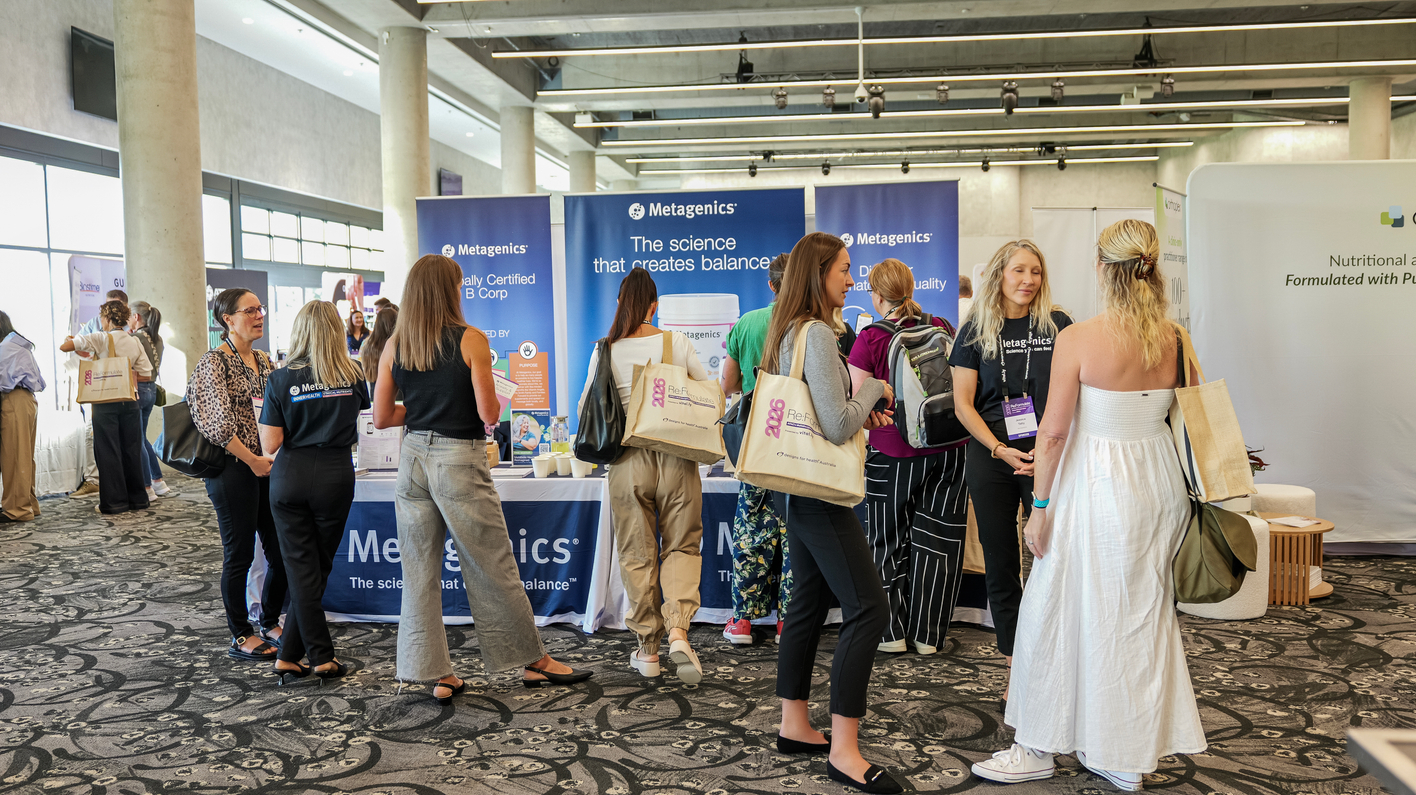
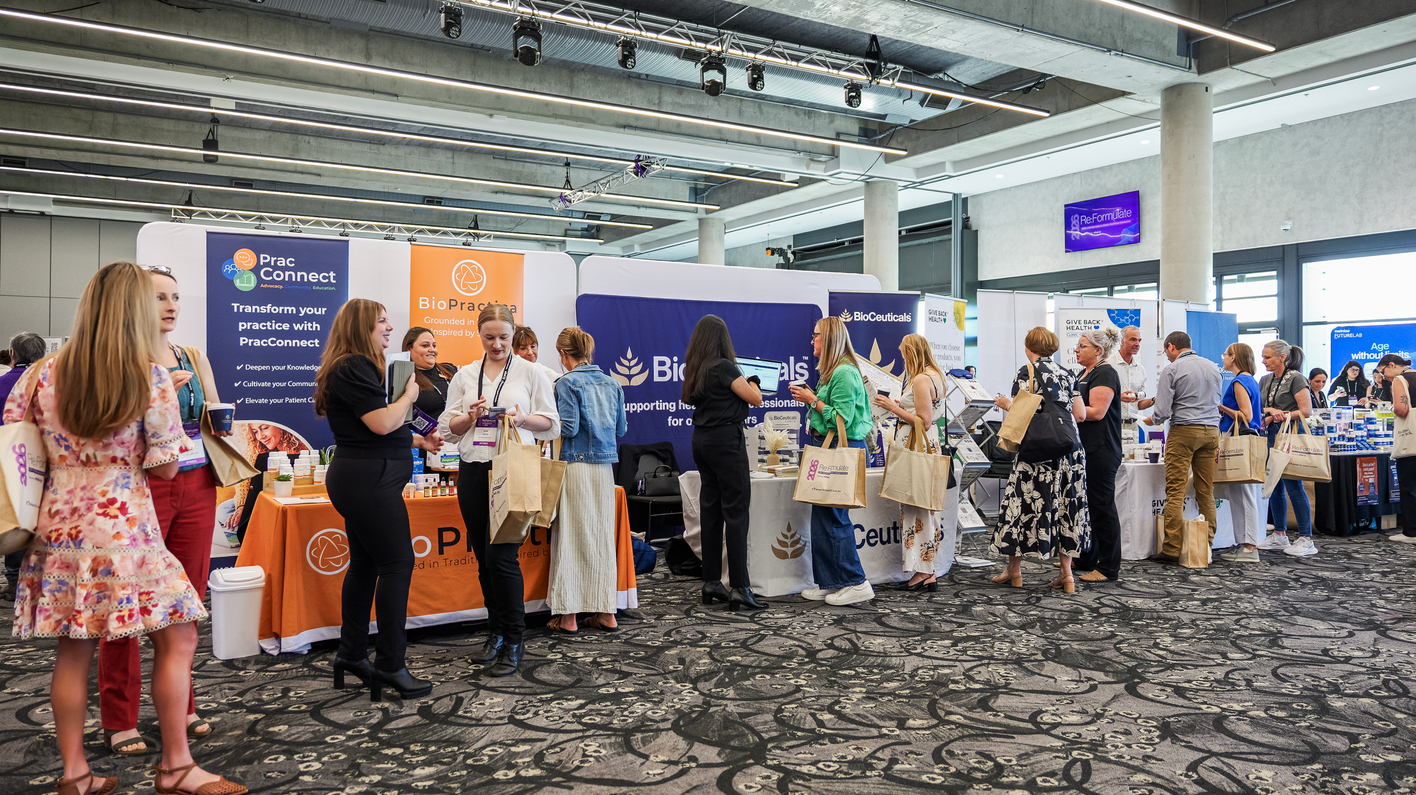
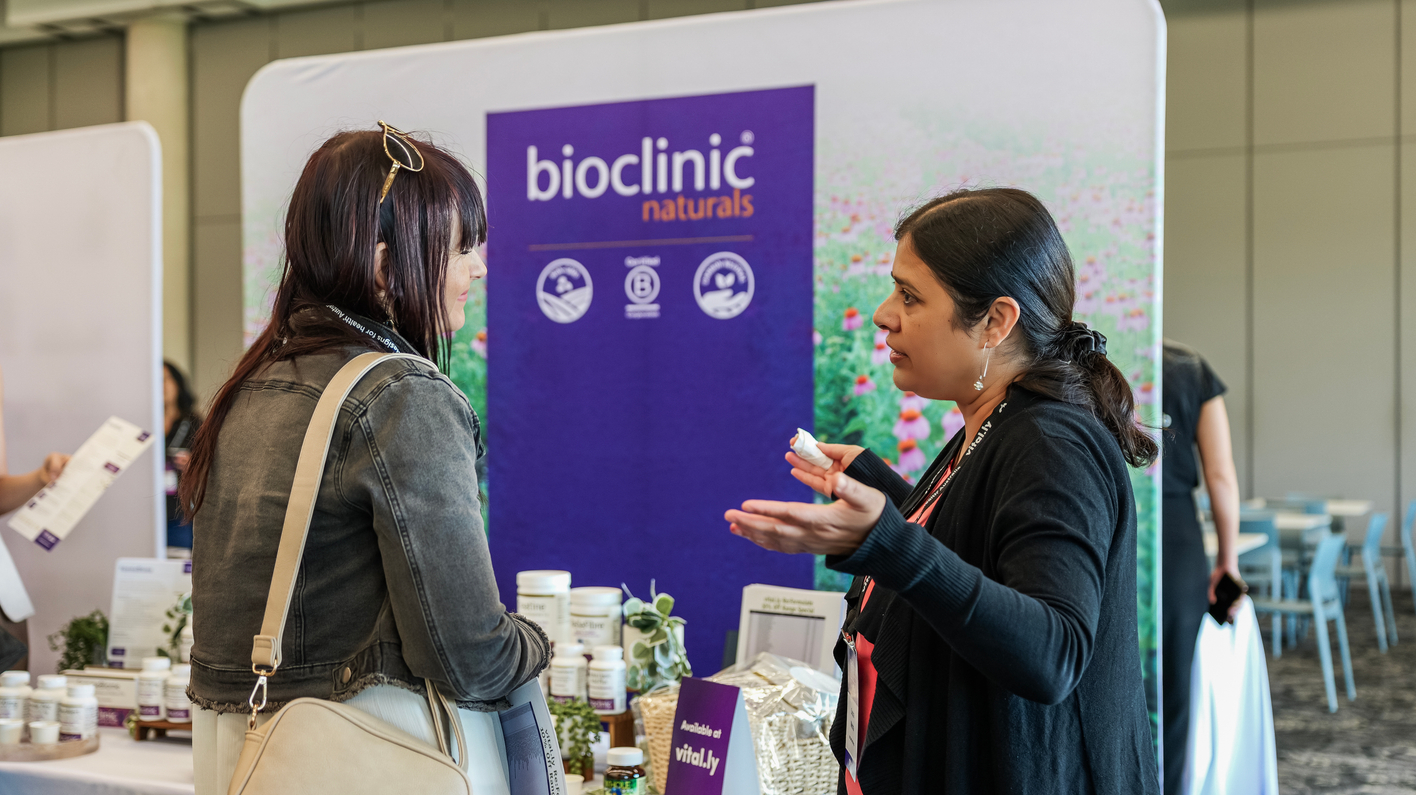
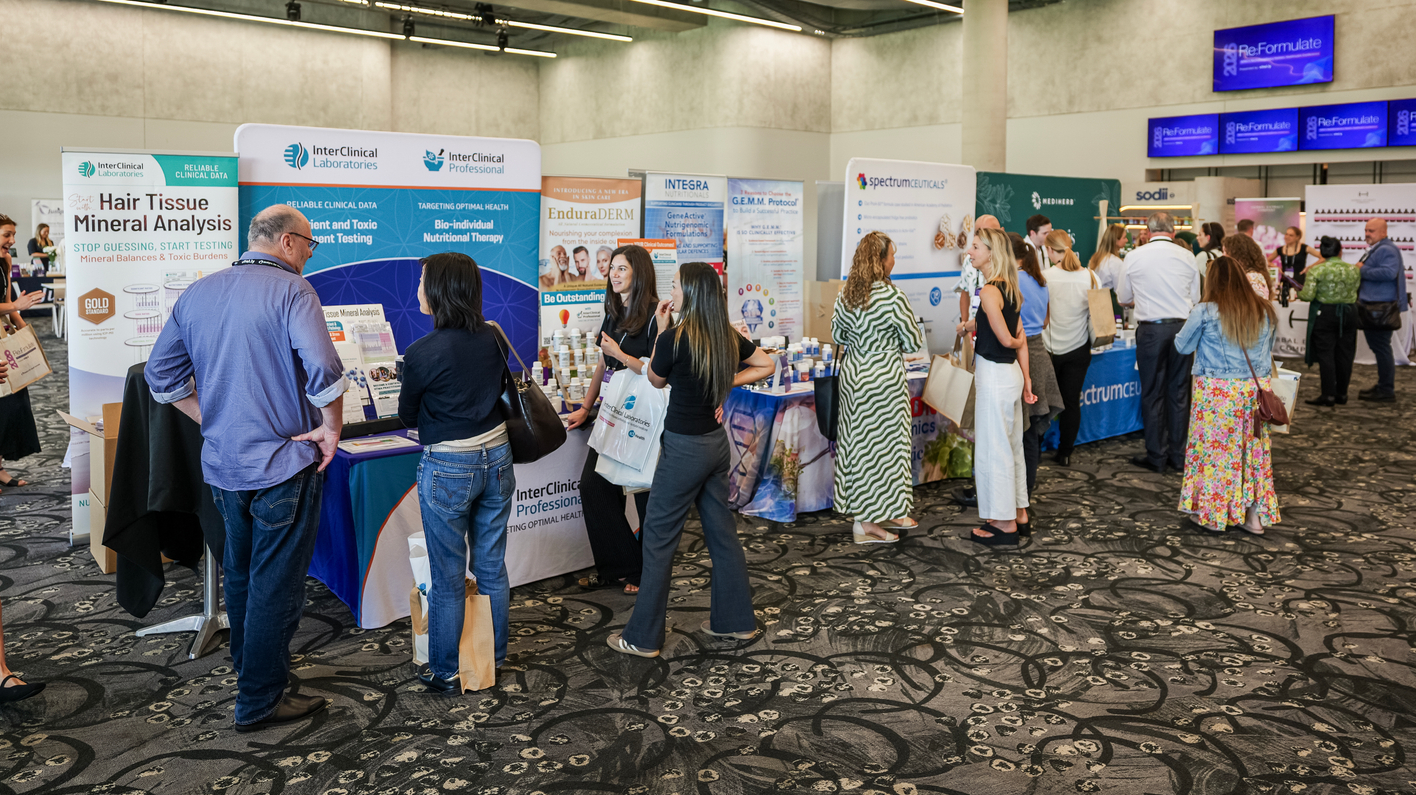
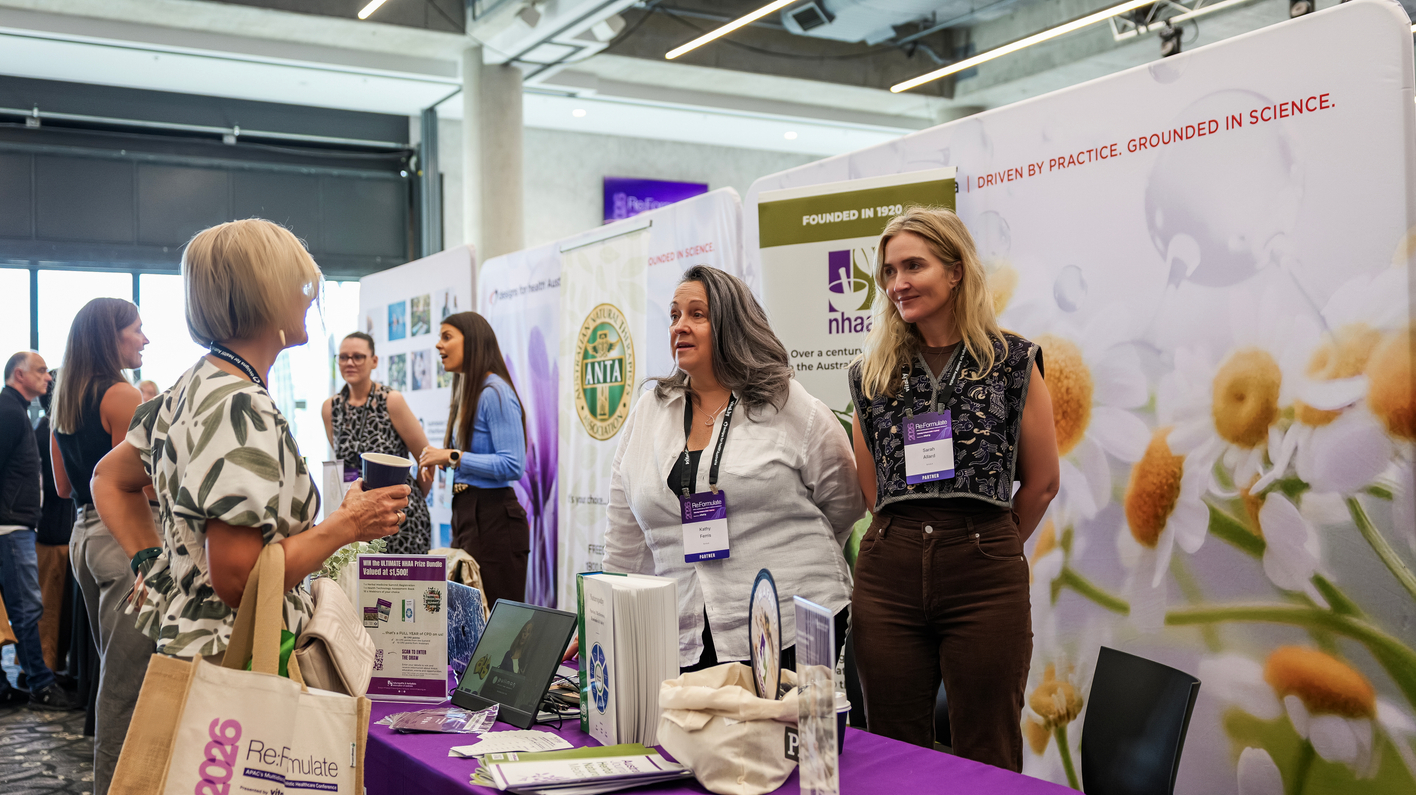
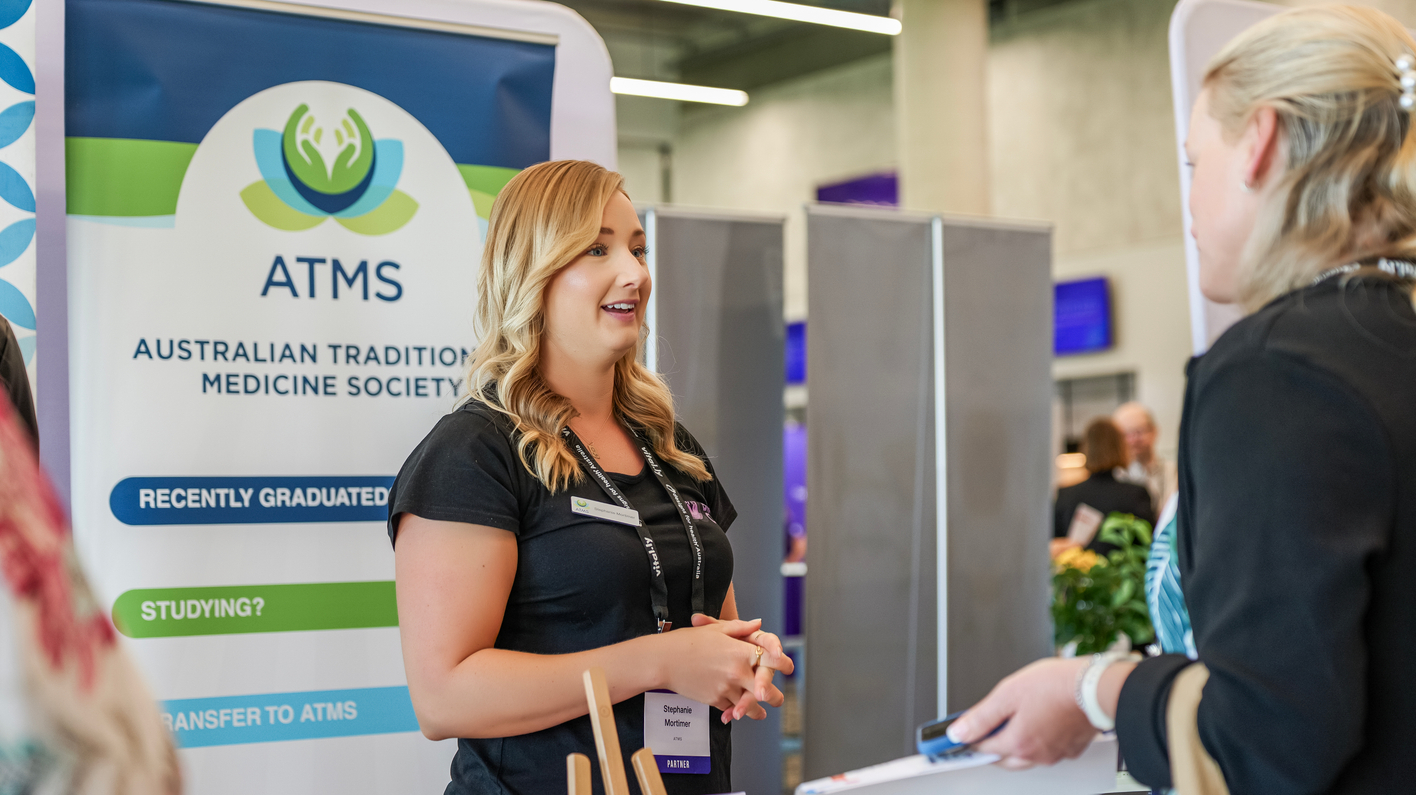
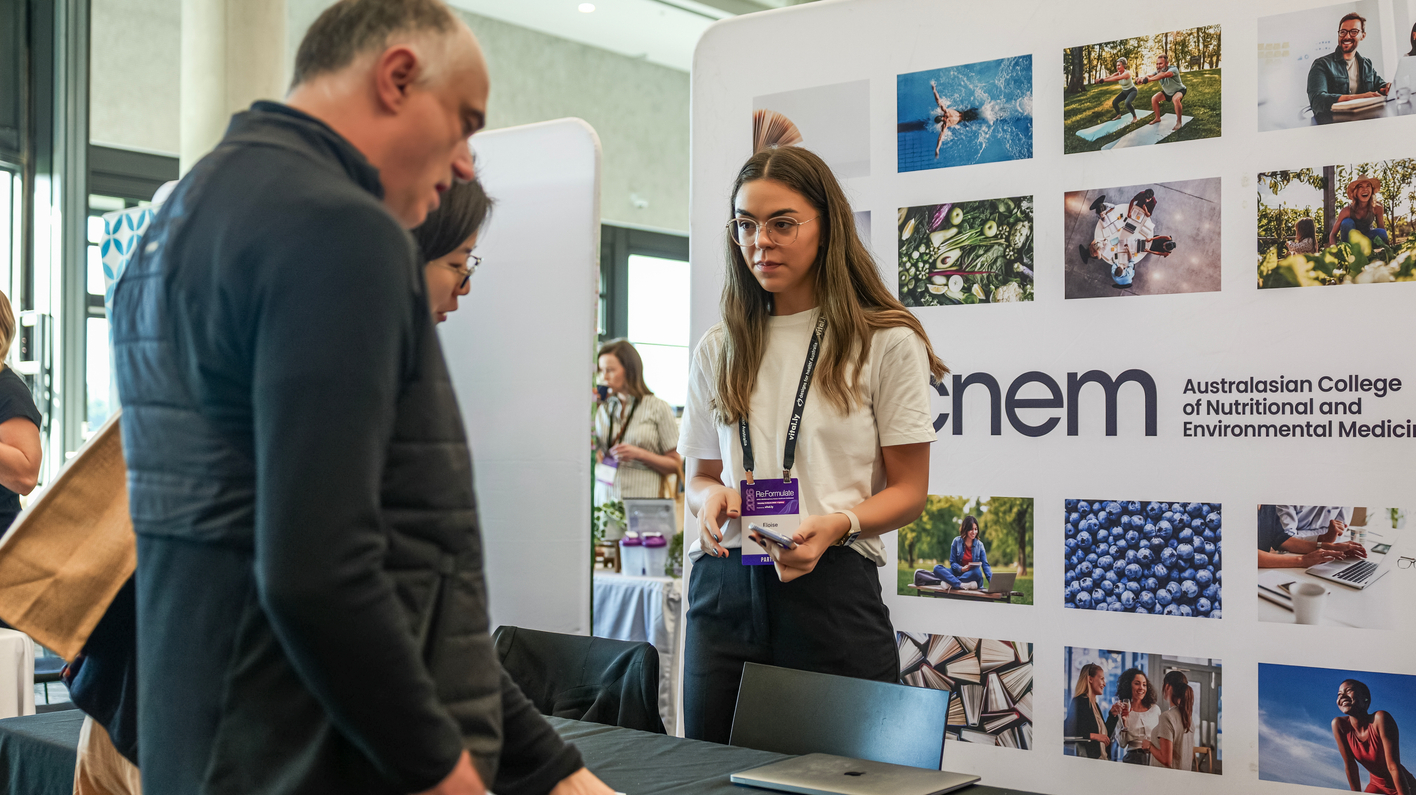
With 36 sponsors and partners in the Exhibition Hall, there was ample opportunity to explore and sample new products from Sponsors, and connect with universities and professional associations.
Main Stage Opens
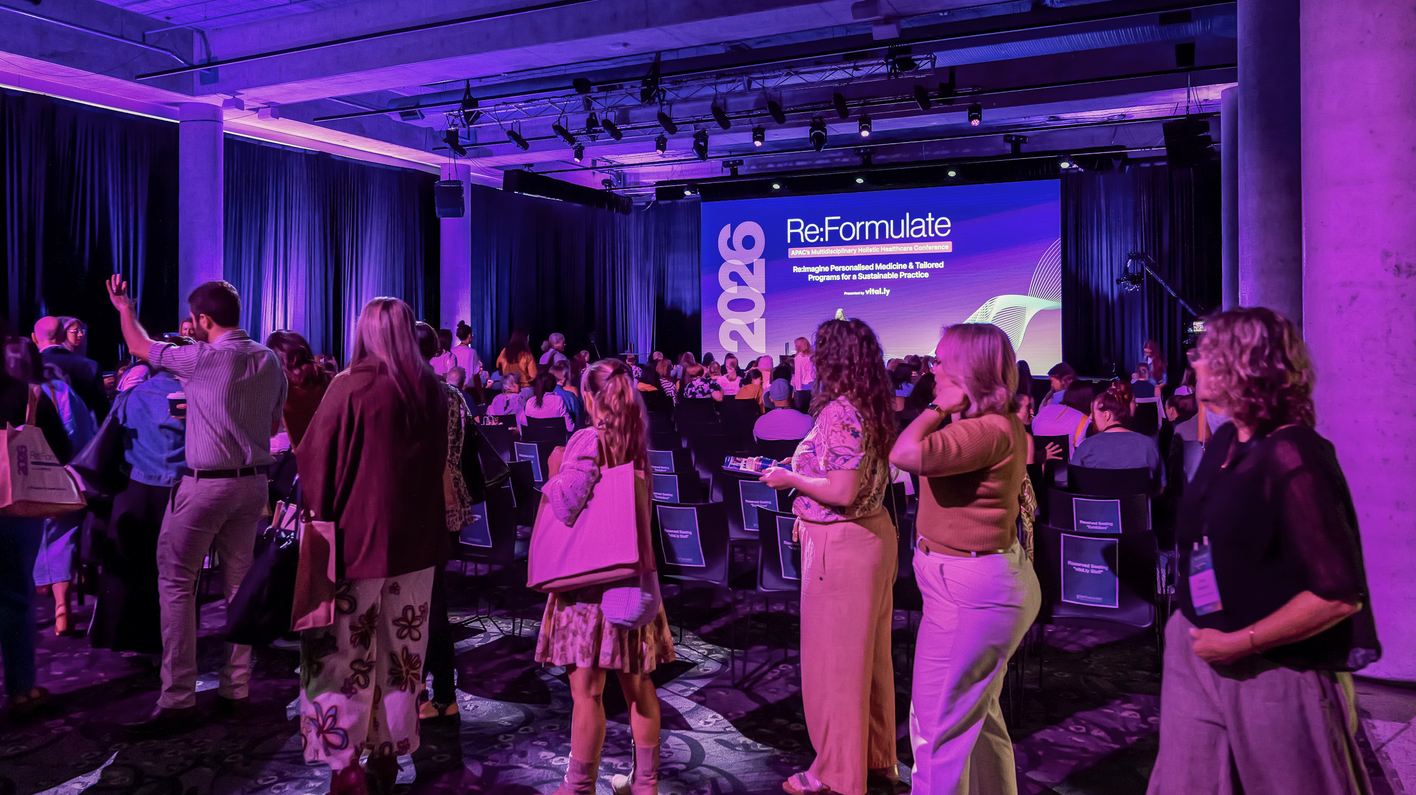
By 8:30am, it was time to start making our way to the Main Stage for the introductions and the opening keynote session.
Session 1
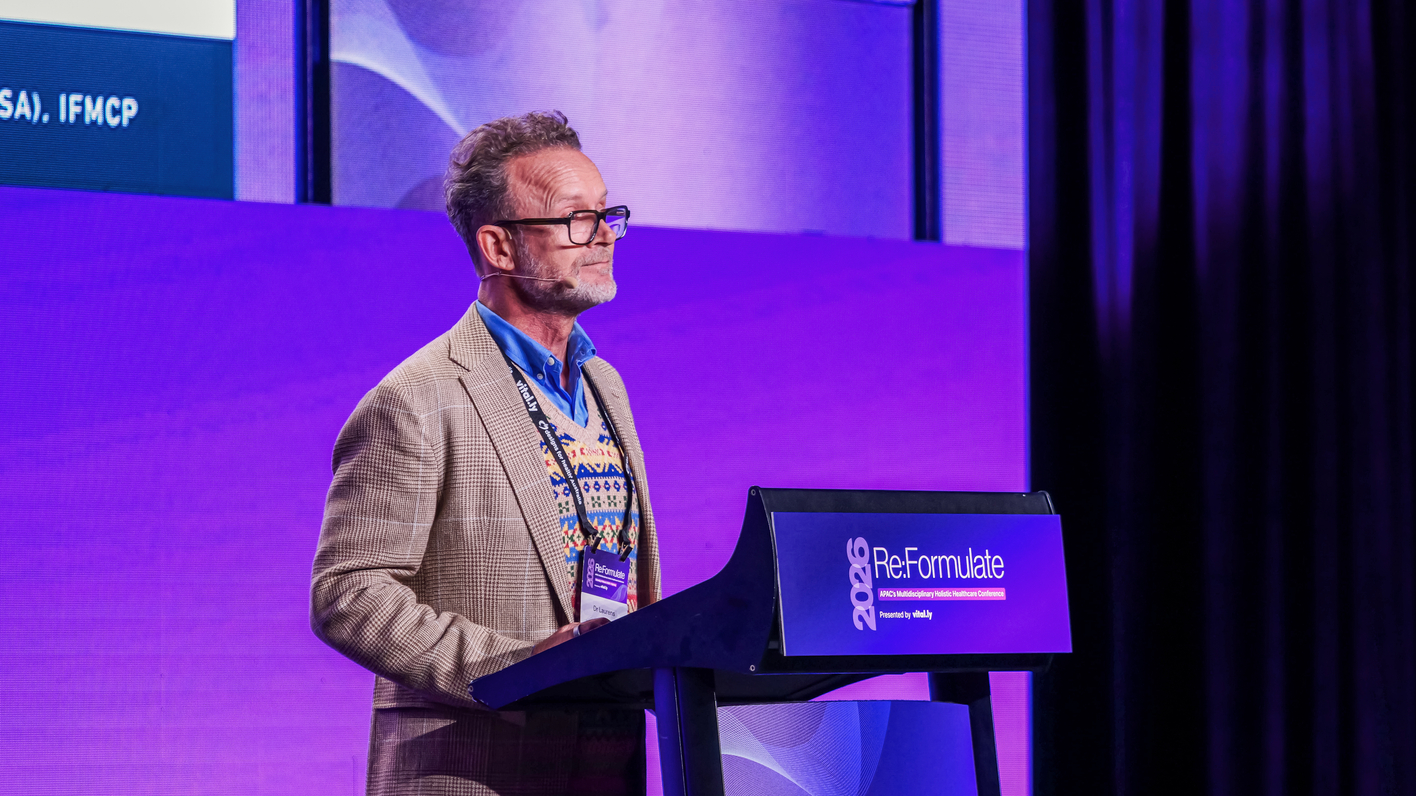
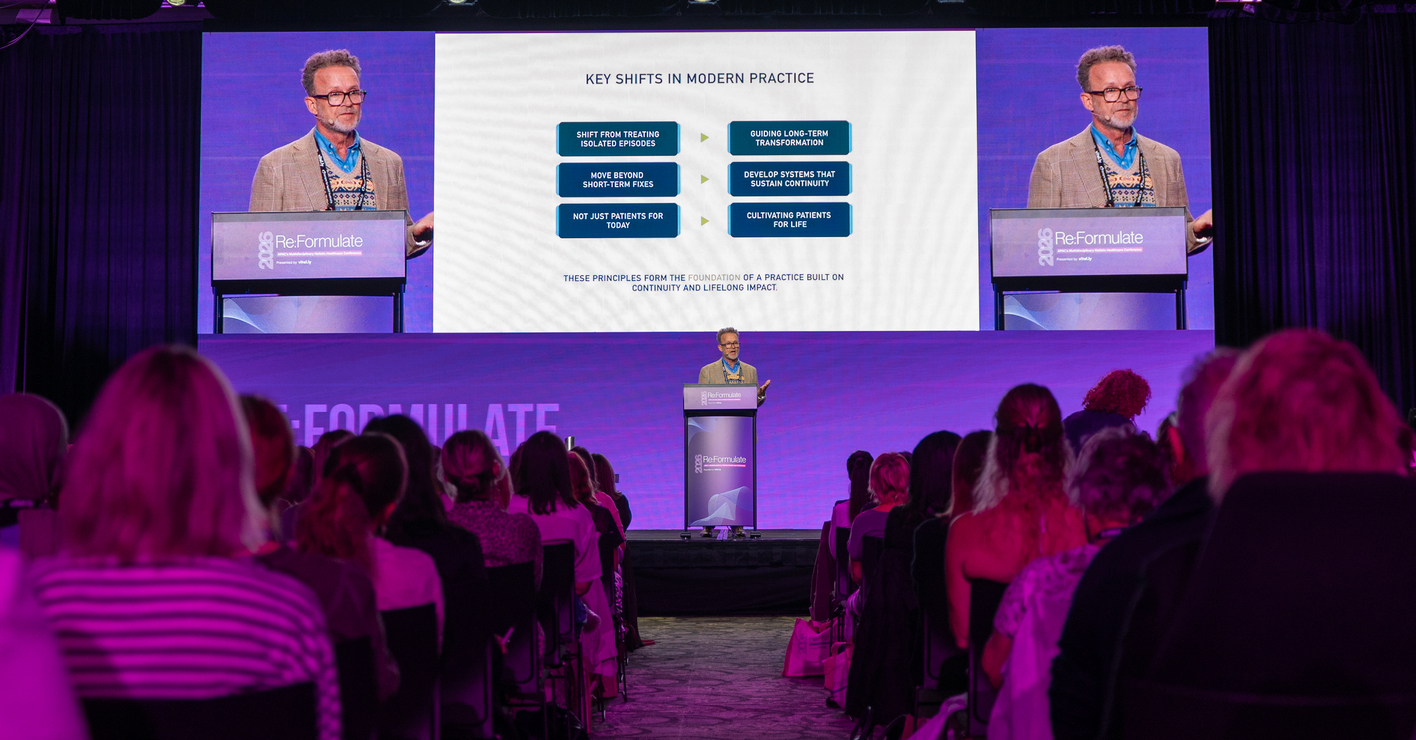
The opening keynote session on ‘Patients for Life: How to Reimagine Holistic Care Across a Patient’s Lifespan’ was presented by Dr Laurens Maas.
Dr Maas is a pioneer in integrated medicine, with over 30 years of experience in functional, osteopathic and homeopathic care. He is the founder of The Maas Clinic in the UK and the creator of ‘The Maas Method’. He is a three-time winner of ‘Leading Doctor of Integrated Medicine in Europe’.
This keynote invited us to reimagine our entire practice model using a lifespan lens, transitioning condition-focused patients into long-term care by reframing goals early, introducing preventative strategies, and building structured retention pathways that evolve with each life stage.
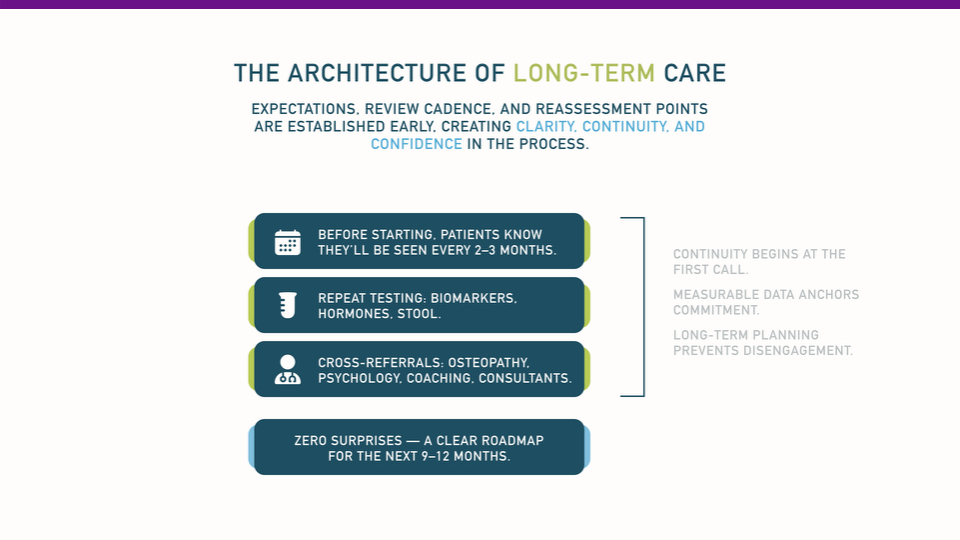
Dr Maas brought a lot of energy to this opening keynote. A message that stayed with us was that continuity of care begins before treatment starts. The discovery call matters, and the first consultation is not just an assessment, but the beginning of a life plan. By setting expectations for the rhythm of care with the patient and designing a long-term roadmap, we can make progress more measurable.
Bringing in the right expertise at the right time through shared care, and understanding who is the navigator and who is the driver, might sound simple, but it’s a model that must be designed intentionally to build a clinic that creates patients for life.
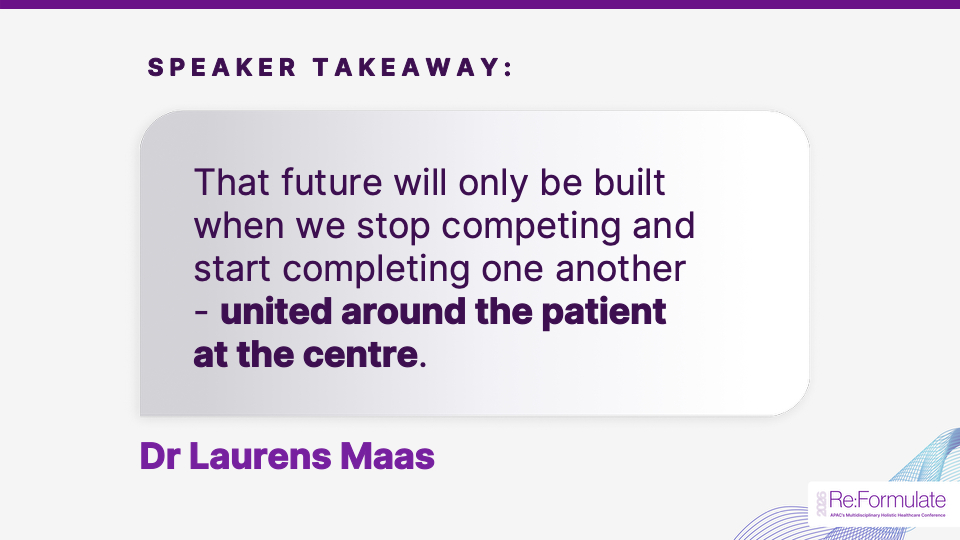
Dr Maas said that the future will only be built when we stop competing and start completing one another, united around the patient at the centre.
Session 2
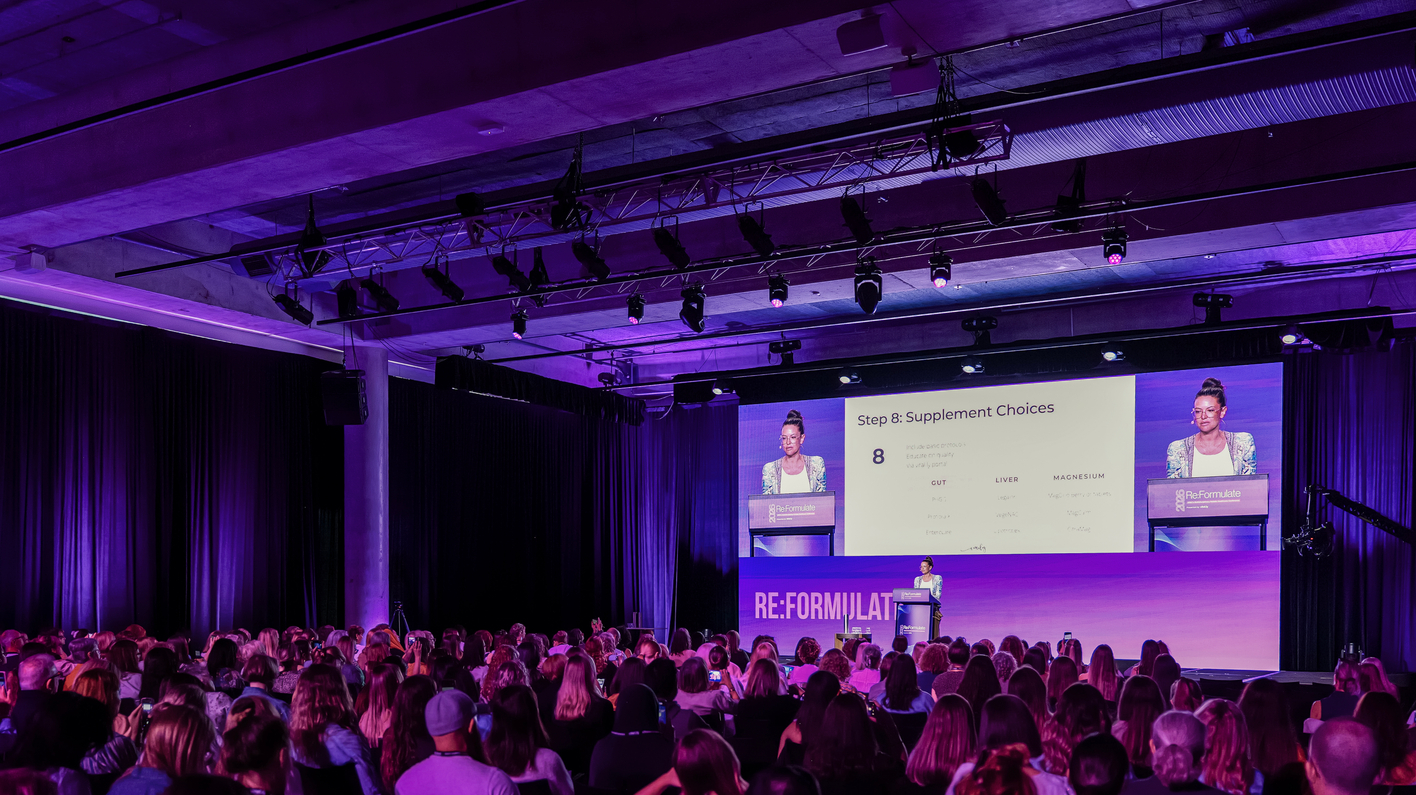
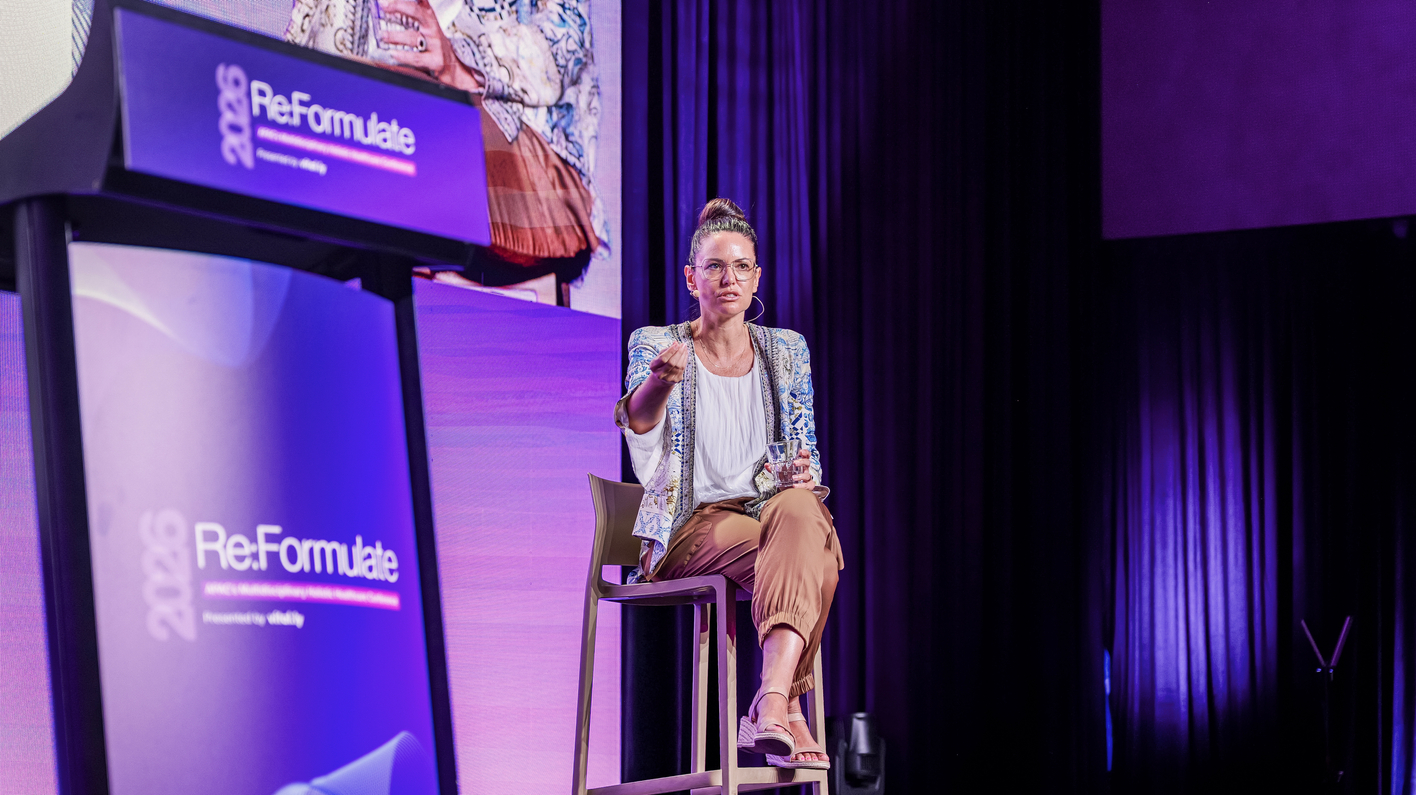
Continuing the in-clinic theme of the morning, the second session on ‘Designed to Scale: How to Deliver Personalised Care Through Adaptable Protocols and Programs’ with Emily Rose Yates then got underway.
Emily is a naturopath and clinic founder who has built her business on structured protocols and programs in collaboration with GPs and specialists. With formal training in naturopathy, herbal medicine, nutrition, and homeopathy, Emily has developed an evidence-based approach that delivers measurable outcomes. Her own practice demonstrates how natural health clinics can scale sustainably while enhancing patient care.
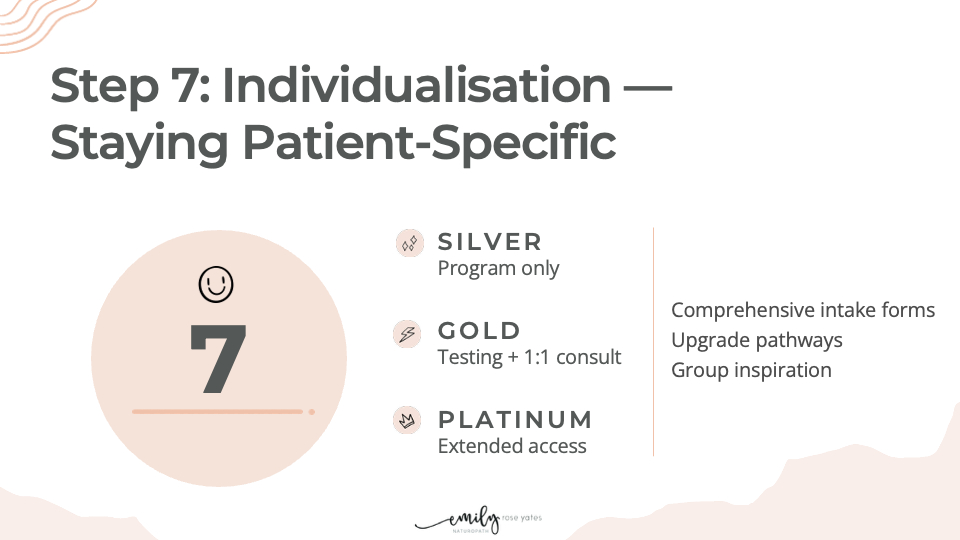
This session covered how we can design adaptable protocols and programs, both condition-specific and lifestyle-focused, that scale without losing the essence of personalised care. Emily also showed how she transforms her programs into high-value, practitioner-led care experiences with personalised touchpoints that patients are willing to pay for and actively choose to join.
A point that stood out was that burnout isn’t a clinical failure, it’s a systems failure. If our clinic model only works when we are overworked, it is not sustainable.
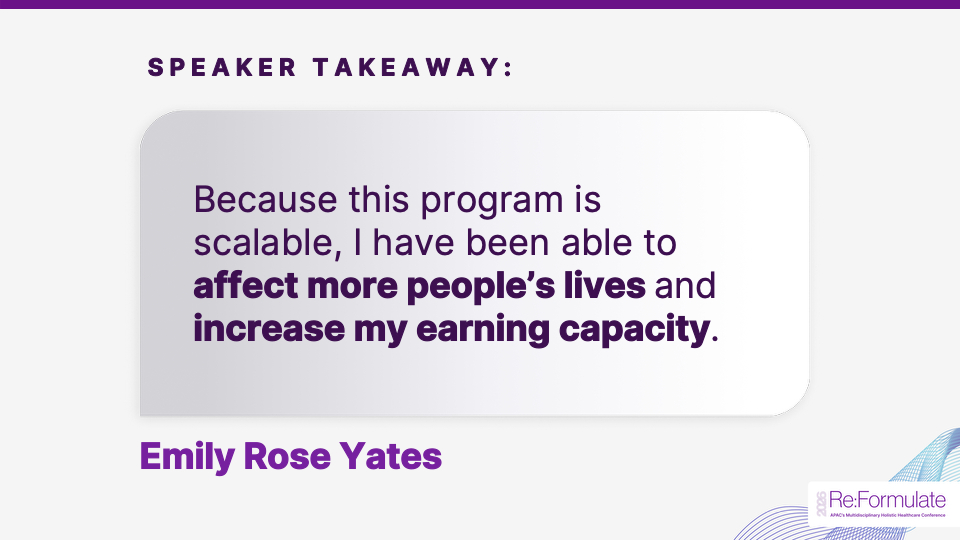
When Emily built adaptable programs supported by clinical protocols, everything changed. Her impact grew, her revenue grew, and her time freedom increased. By layering in adaptable components tailored to the individual, Emily could scale the care she delivered without burning out. By making her clinic profitable, Emily has been able to affect more people’s lives and take on patients who wouldn’t otherwise be able to afford or even understand what a naturopath is.
Session 3
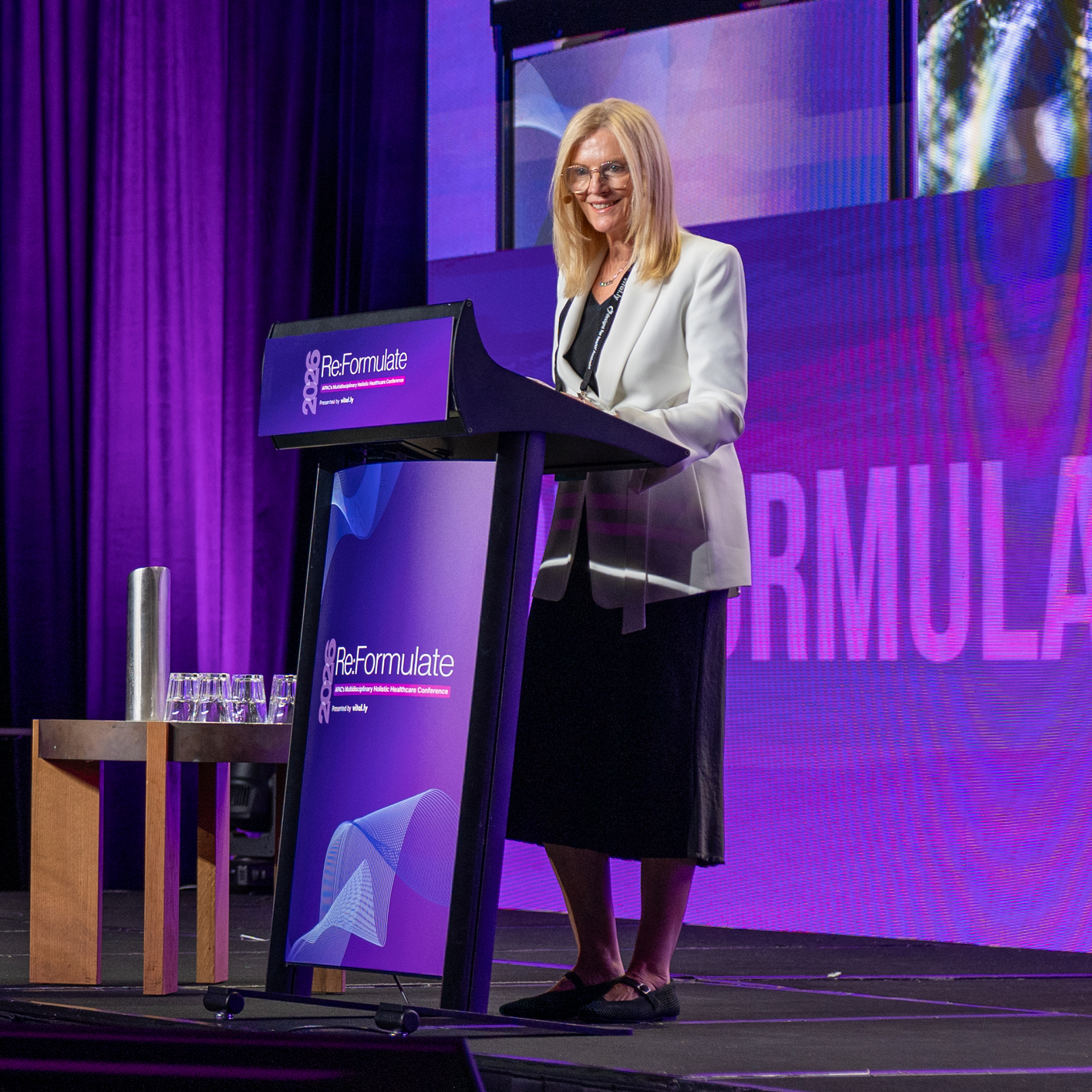
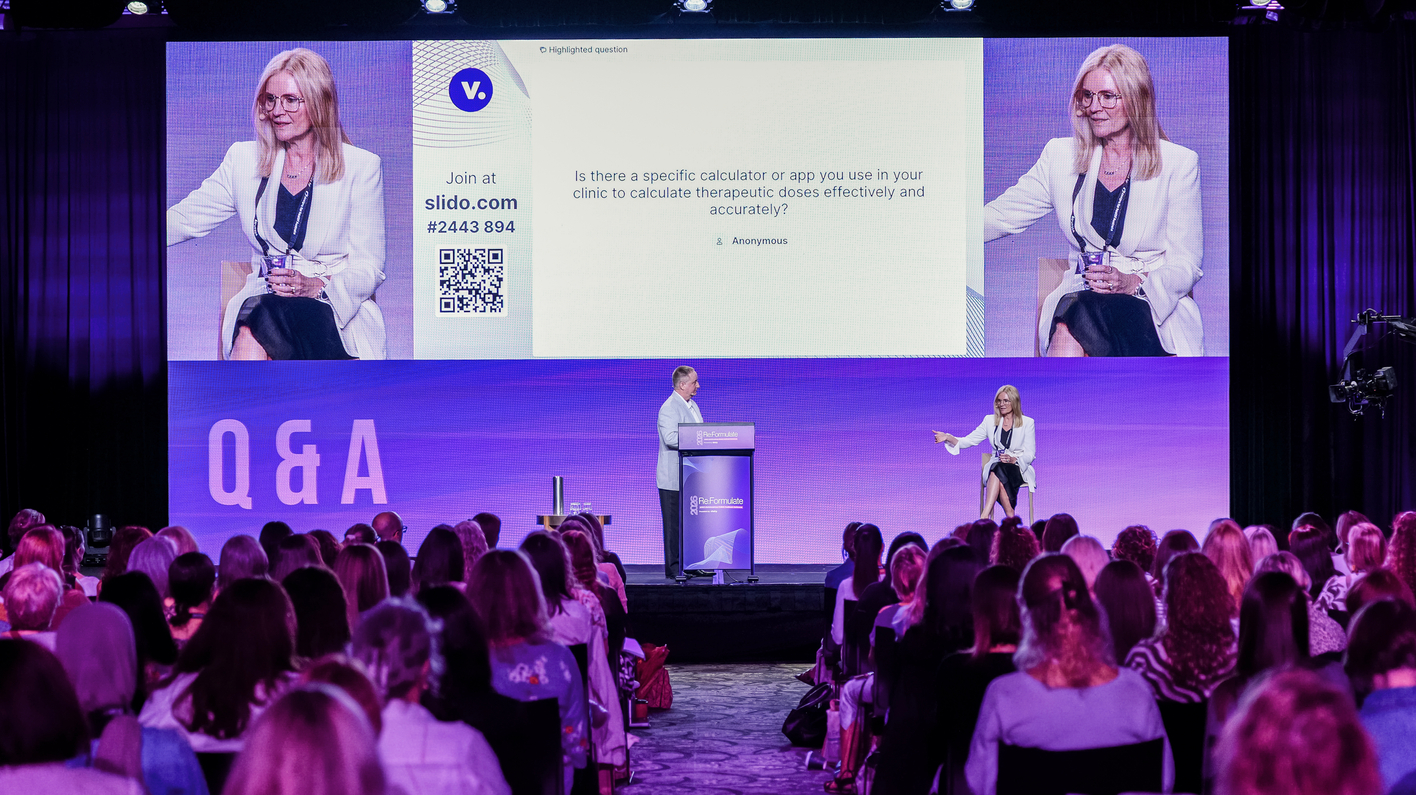
After a break for Morning Tea in the Exhibition Hall, we returned to the Main Stage for a session on ‘The Compounding Advantage: How Personalised Formulations Can Become Your Clinical Edge’ by Carolyn Ledowsky.
Carolyn is a naturopath, herbalist, and nutritionist, and the founder of MTHFR Support Australia. Since 2010, she has built the world’s first and largest dedicated MTHFR clinic, now with nine practitioners across Australia and the US. Known for her work in genetics and chronic health, her practice shows how science-based compounding delivers measurable improvements in patient care.
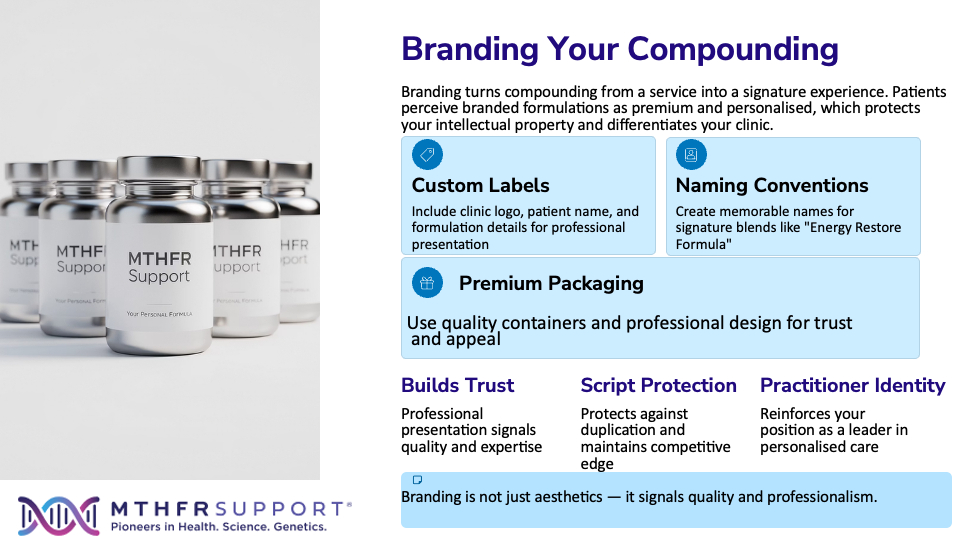
This session focused on how personalised prescribing is no longer a nice-to-have, it’s a clinical imperative. Powder compounding offers a powerful way to deliver targeted therapeutic formulations tailored to a patient’s specific biochemical and clinical profile. Creating truly individualised care, however, demands clinical precision, structured workflows, and confidence in compounding as both a science and a practice model.
One major point from Carolyn’s talk was that compounding is not a dispensary task; it’s a clinical decision, and a strategic one. Personalised formulations improve outcomes and, when done properly, with the right documentation, compliance, and systems, they can elevate the entire clinic. If we believe in personalised medicine, we need a compounding strategy, one that is both clinically sound and operationally compliant.
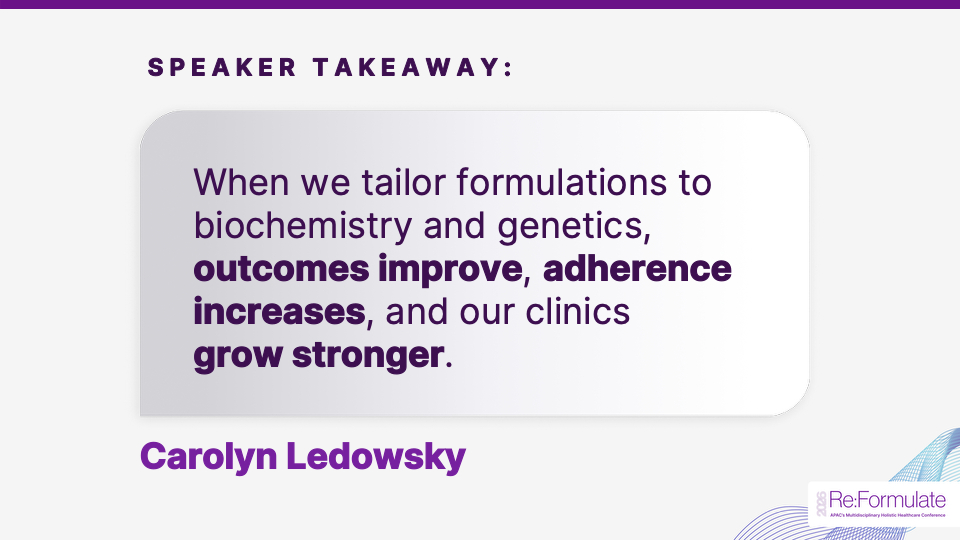
Carolyn emphasised that when we tailor formulations to biochemistry and genetics, outcomes improve, adherence increases, and our clinics grow stronger.
A Significant Announcement from vital.ly
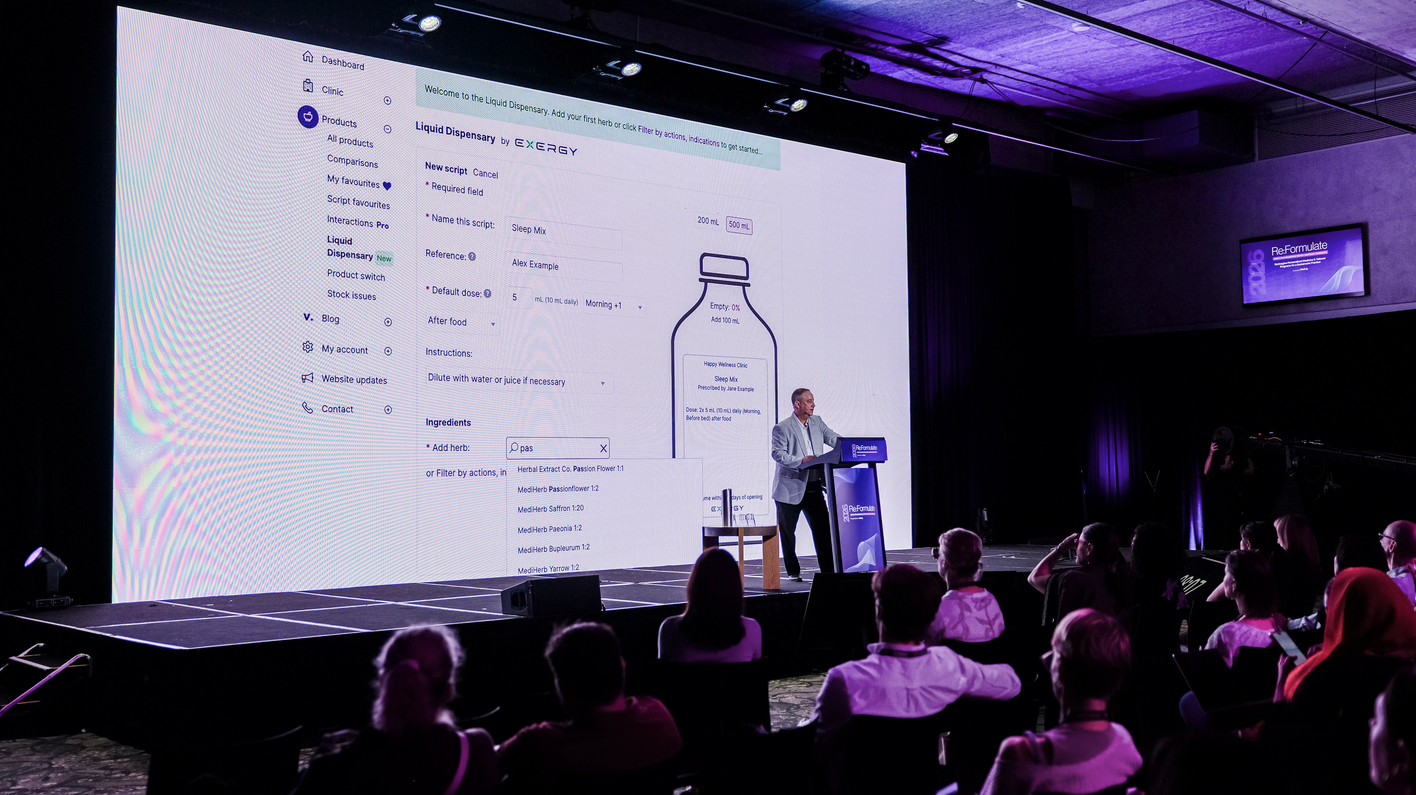
At this point in the preceedings, it was time for a significant announcement from vital.ly.
This announcement shared a vision for how we practise, collaborate, and build sustainable clinics for the long term. Delivered in two parts, it detailed the next evolution of vital.ly services, and then a broader profession-wide initiative designed to support the future of natural and integrative healthcare.
Watch the announcement video
Lunch & Exhibition Hall
We then took a break for a catered lunch back in the Exhibition Hall, where real-world strategies were shared and ideas were tested over our meals.
Session 4
After lunch, the sessions on the Main Stage shifted outward, beyond our clinics focusing on how we can build strength in our networks. The more complex care becomes, the more the strength of our network matters.
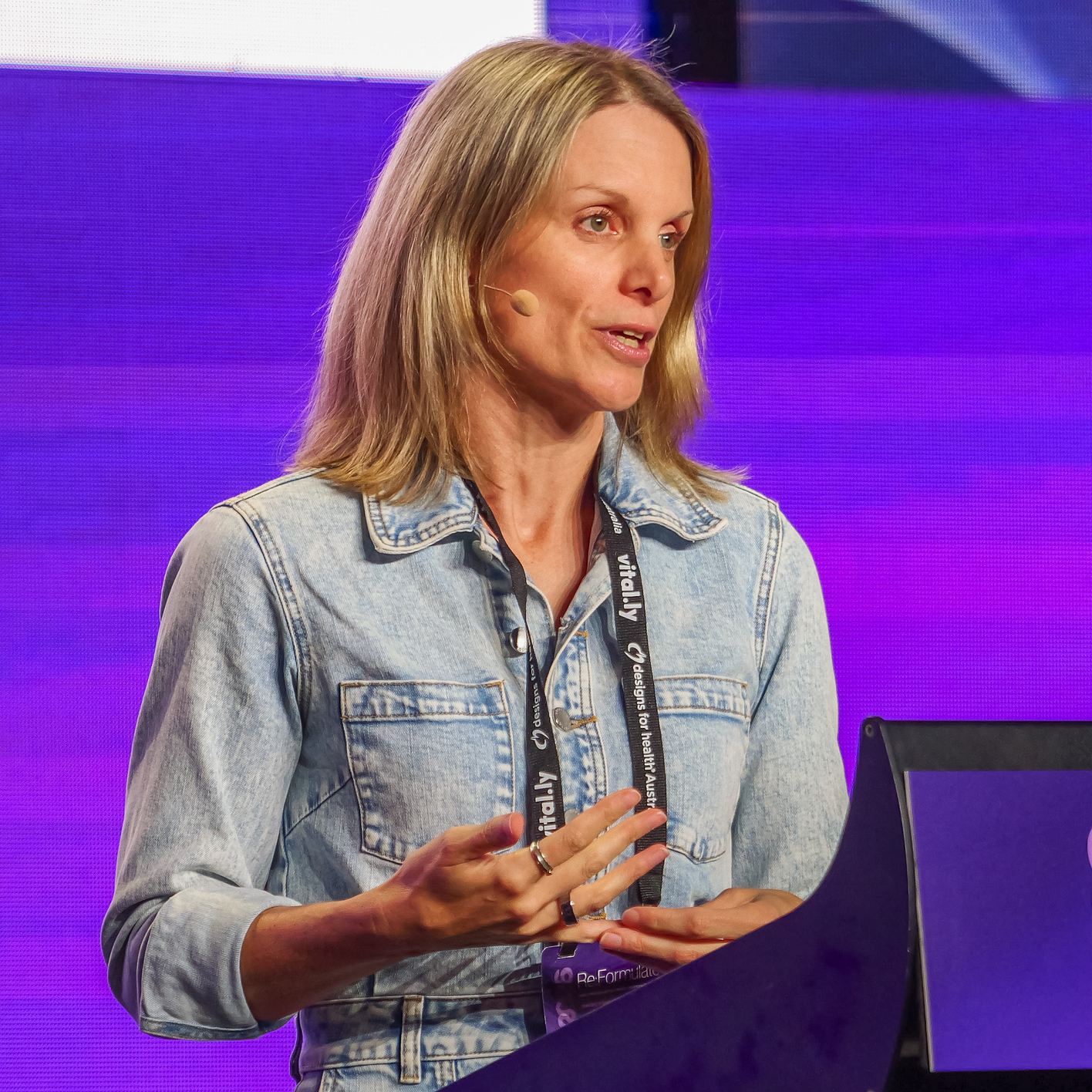
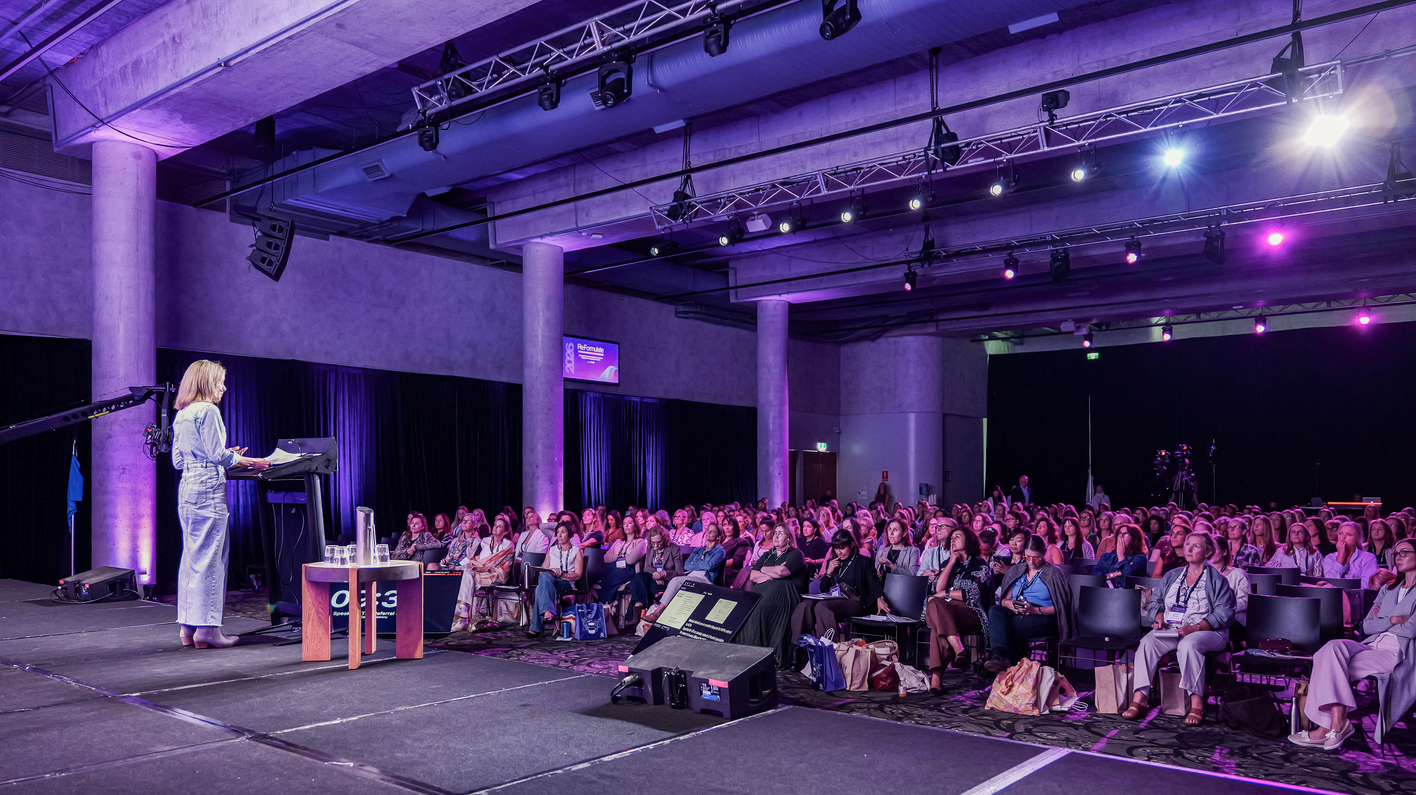
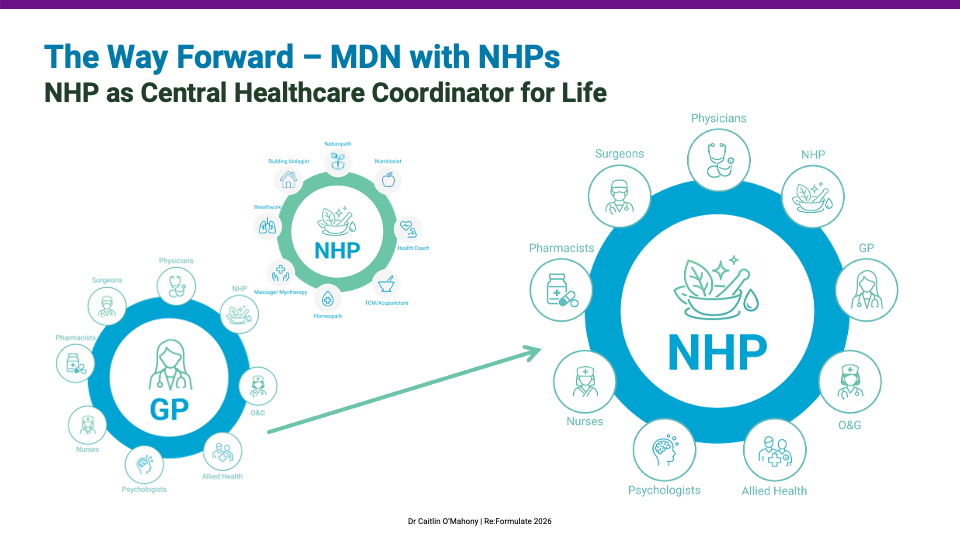
The next session was 'The Referral Effect: How to Build a Multidisciplinary Network to Strengthen Care and Grow Your Clinic' with Dr Caitlin O’Mahony.
Dr O’Mahony is an Integrative GP passionate about combining the best of conventional and natural medicine to strengthen patient care. With qualifications in general practice and integrative medicine, she brings authority to both mainstream and integrative care. As the president of ACNEM, Dr O’Mahony cultivates collaboration between like-minded practitioners and demonstrates how referral networks lead to stronger outcomes and more sustainable models of care.
In this session, we examined what makes a strong collaborator, the behaviours and communication practices allied health professionals expect, and how to confidently communicate our unique value so GPs and specialists will want to work with us.
We also looked at how the structured referral systems used in conventional medicine can be adapted to natural health to provide clear frameworks for roles, responsibilities, and communication.
One thing Dr O’Mahony made clear was what is required for a natural health practitioner to step confidently into the role of central healthcare coordinator for life.
Shared care is not informal; it is structured and intentional. If we want to be part of a true multidisciplinary network, we cannot just talk about it, we have to invest in it. We must seek out the people we know we need in our network and connect with them.
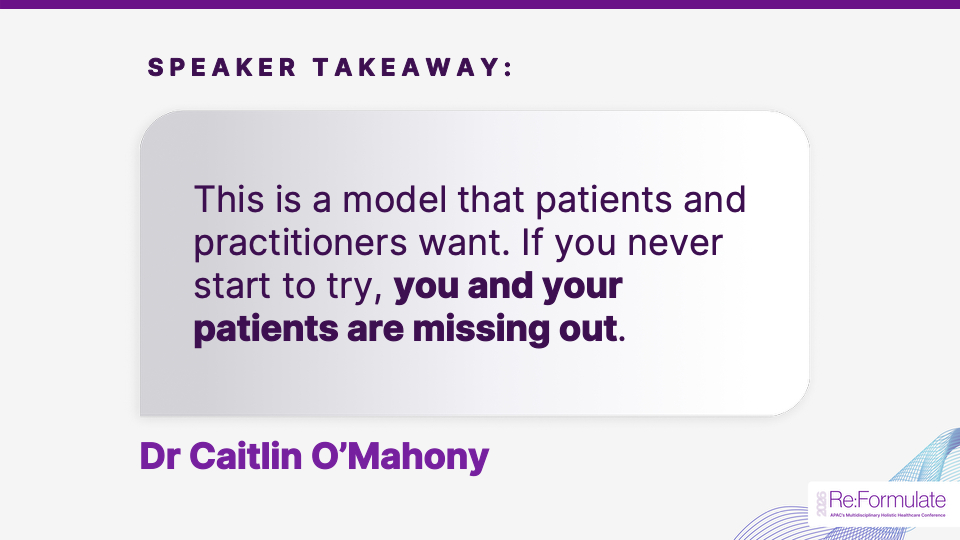
Dr O’Mahony left us with the knowledge that a multidisciplinary network is a model that both patients and practitioners want.
Session 5
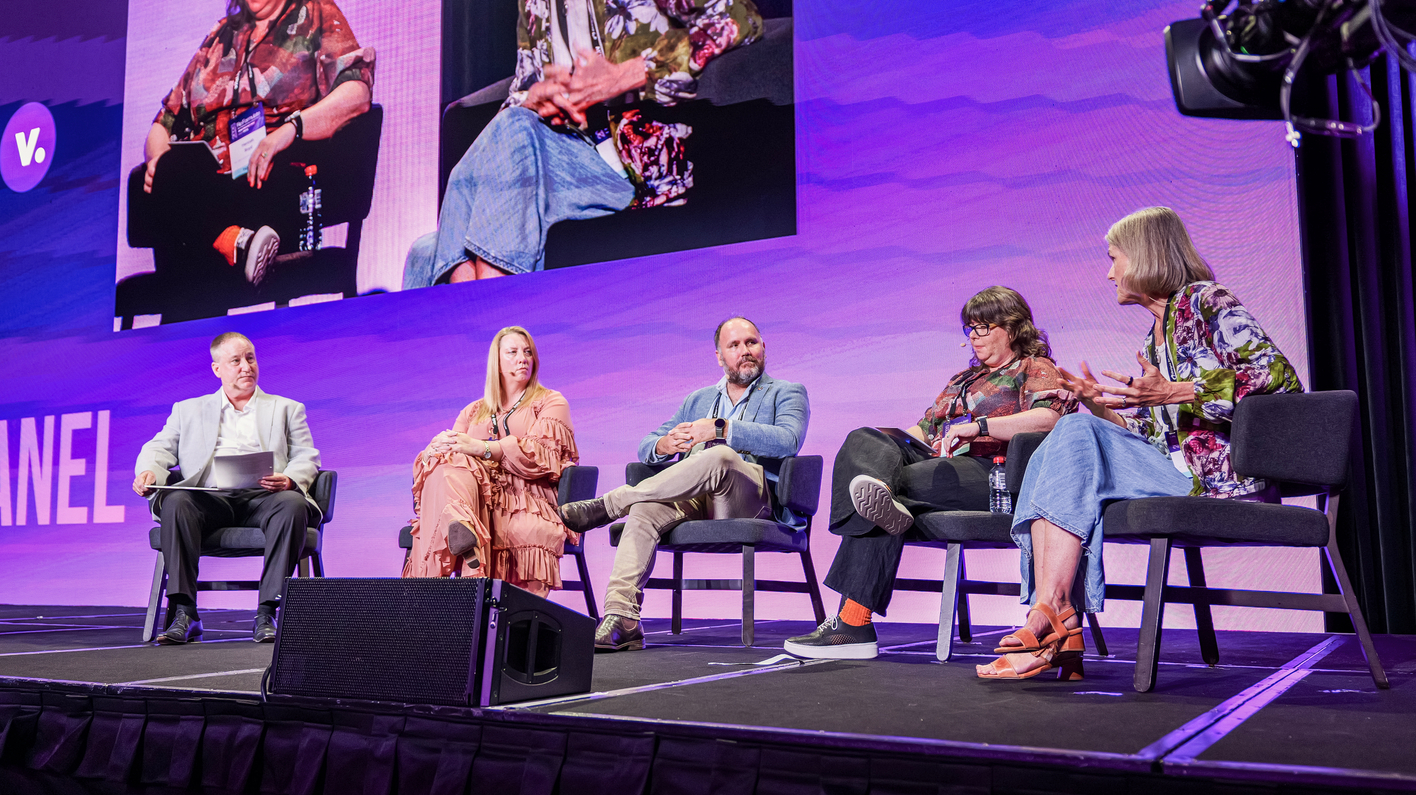
After hearing how shared care works in principle, the next session showed what it looks like in practice through a live, interactive panel discussion: ‘Multidisciplinary in Action: How to Transform Practice and Patient Outcomes with a Shared Care Model’.
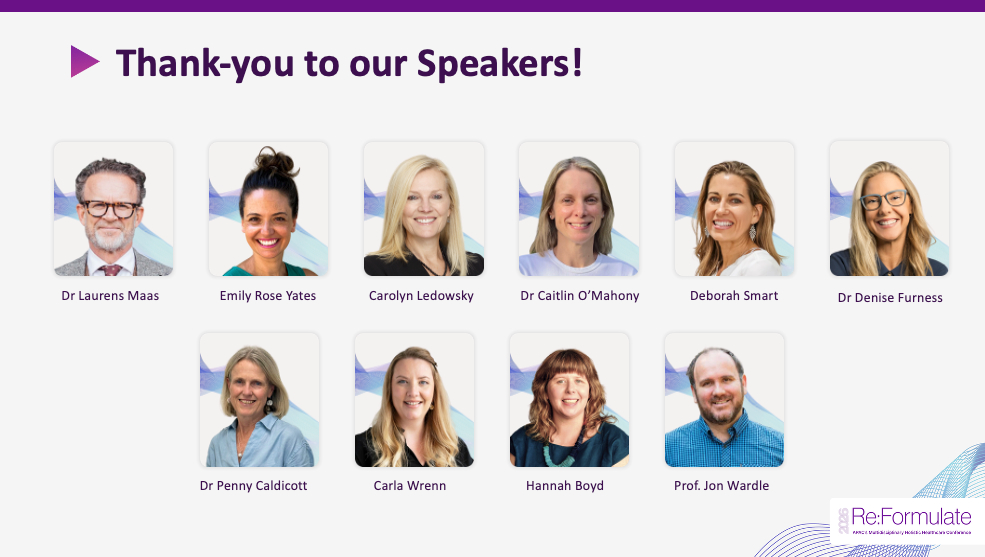
This session featured Dr Penny Caldicott, Carla Wrenn, Hannah Boyd, and Professor Jon Wardle.
Dr Penny Caldicott is a GP with more than three decades across conventional and integrative medicine, who founded and built a model multidisciplinary clinic. Today, she practises at Fugen Health.
Carla Wrenn is a naturopath, nutritionist, and functional medicine practitioner with 23 years in practice. Named ATMS Practitioner of the Year in 2023, she runs the Peninsula Herbal Dispensary and Naturopathic Clinic in Victoria.
Hannah Boyd is a naturopath, herbalist, and clinical nutritionist who founded New Leaf Naturopathic Health and currently serves as President of the NHAA.
Professor Jon Wardle is the Foundation Director of the National Centre for Naturopathic Medicine and the Maurice Blackmore Chair of Naturopathic Medicine at Southern Cross University.
This wide-ranging discussion explored topics such as how different practitioners decide who to collaborate with, what we can do to build trust across disciplines, and what steps we can take to start building our referral networks.
The panel also examined how practitioners can move from working in isolation to building trusted referral networks and collaborative models of care, highlighting the importance of strong relationships across disciplines and the vital role that education, professional standards, and industry partnerships play.
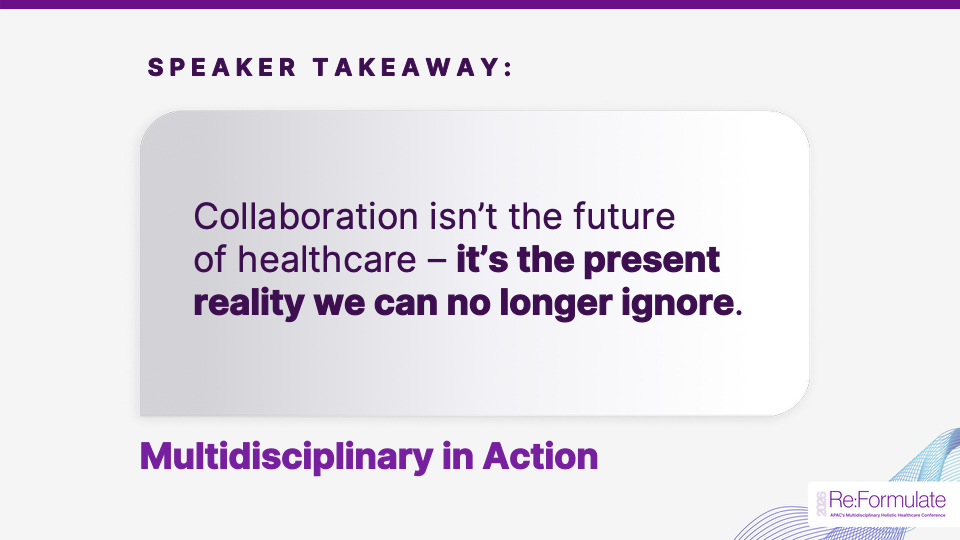
Collaboration is not the future of healthcare, it is the present reality we can no longer ignore. If we truly want to see the natural health or integrative practitioner become the central healthcare coordinator for life, then we must start building effective multidisciplinary networks and shared care models today.
Session 6
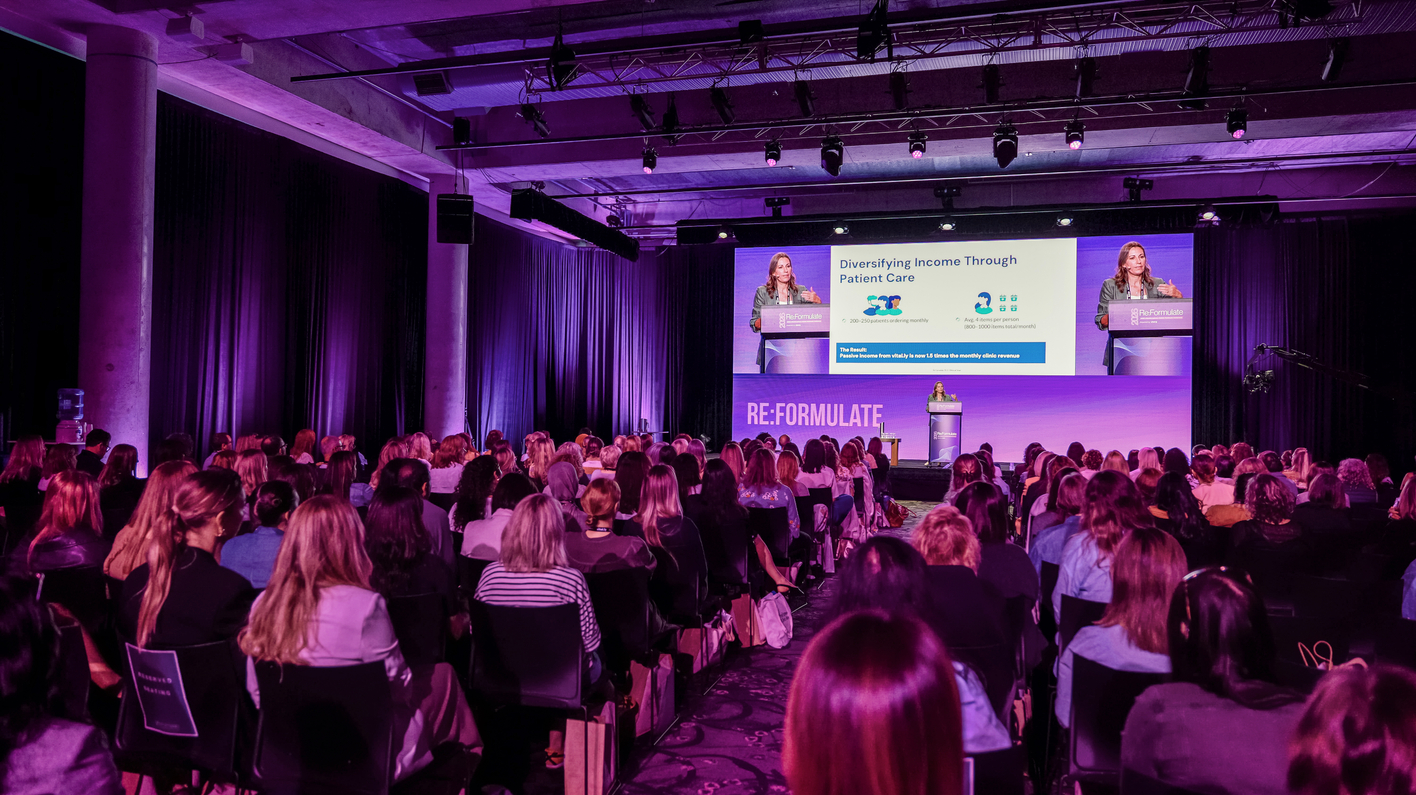
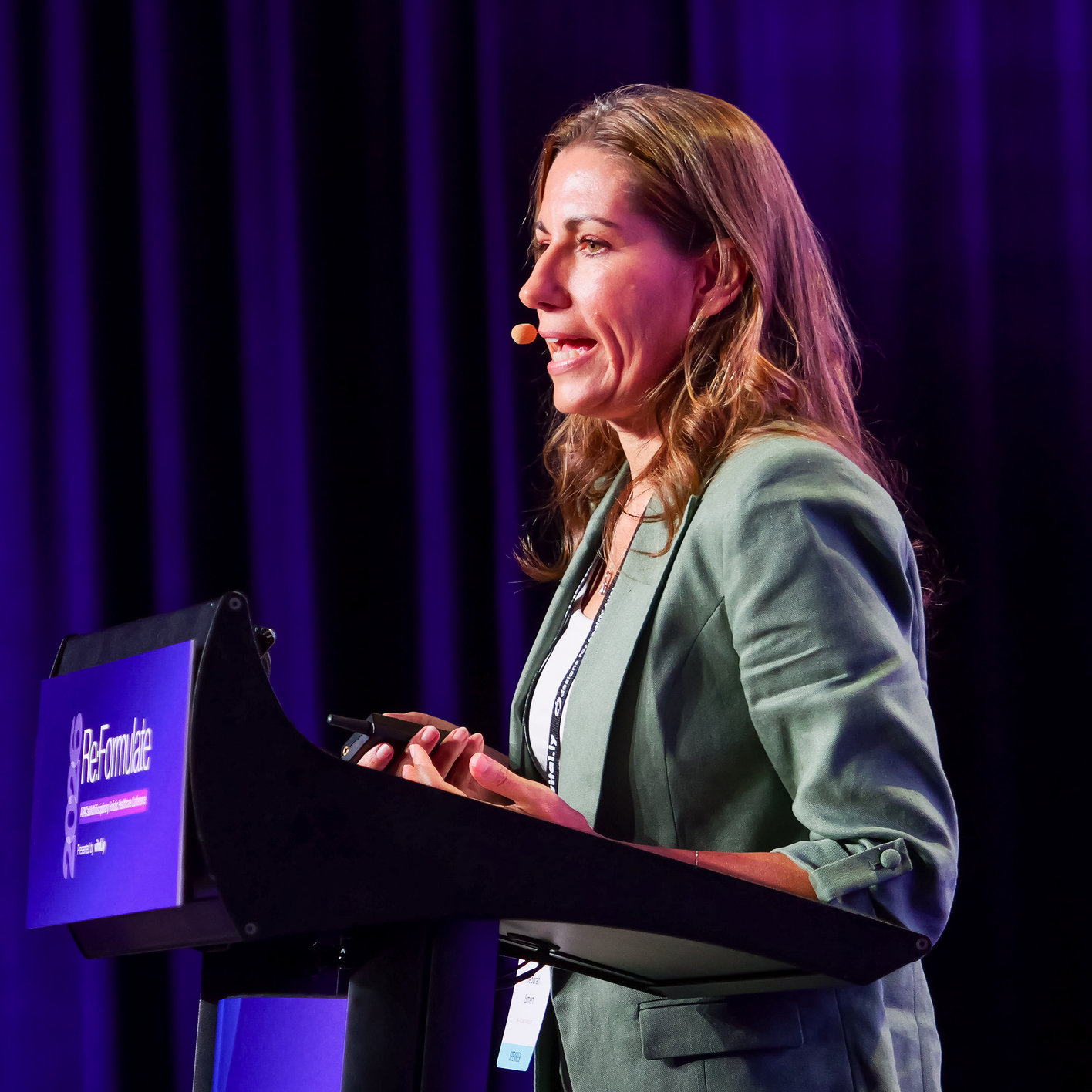
Patient retention is not achieved through chance, it is built through repeatable systems that make continuity of care the natural outcome of your practice. With this in mind, we moved into the sixth session of the day, ‘Clinic for Life: How to Retain Patients with Systems that Sustain Continuity of Care’, with Deborah Smart.
Deborah is one of Australia’s most successful clinical nutritionists, with over a decade in practice. Founder of Smart NutriMed, a thriving, high-demand practice, Deborah has established a clinic renowned for its consistent outcomes and patient loyalty, and demonstrates how real-world systems and strategies make continuity of care the natural outcome.
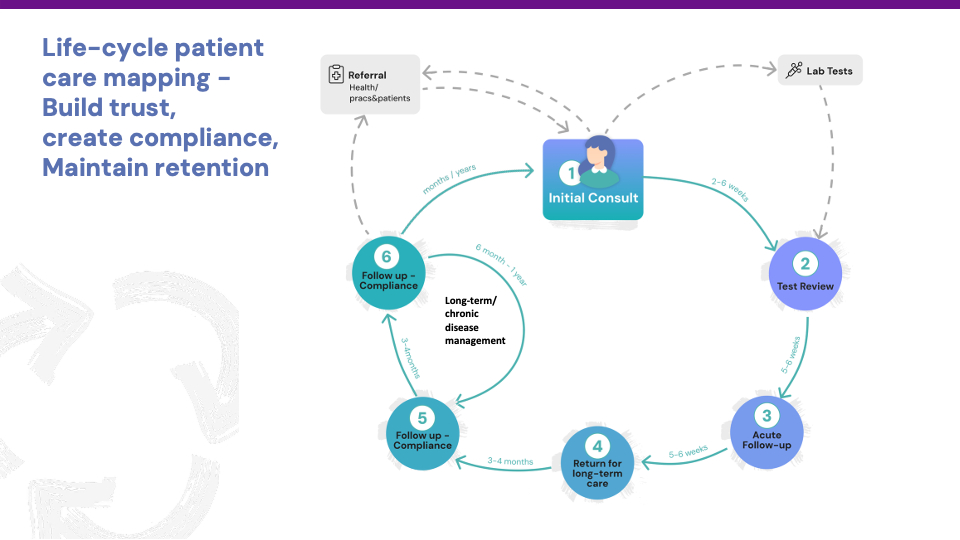
This session went through a map of the full lifecycle of the patient–practitioner relationship, from onboarding through acute care, ongoing treatment, wellness phases, and long-term connection, to pinpoint where loyalty is built or lost.
Deborah explored the repeatable clinical behaviours that deepen trust, increase compliance, and reduce drop-off, including the rhythms of care, rebooking language, and boundary-setting that supports connection without burnout. Through sharing her own story, including the ups and downs she has faced, she made it clear that if she could see such extraordinary results, then we could achieve it as well.
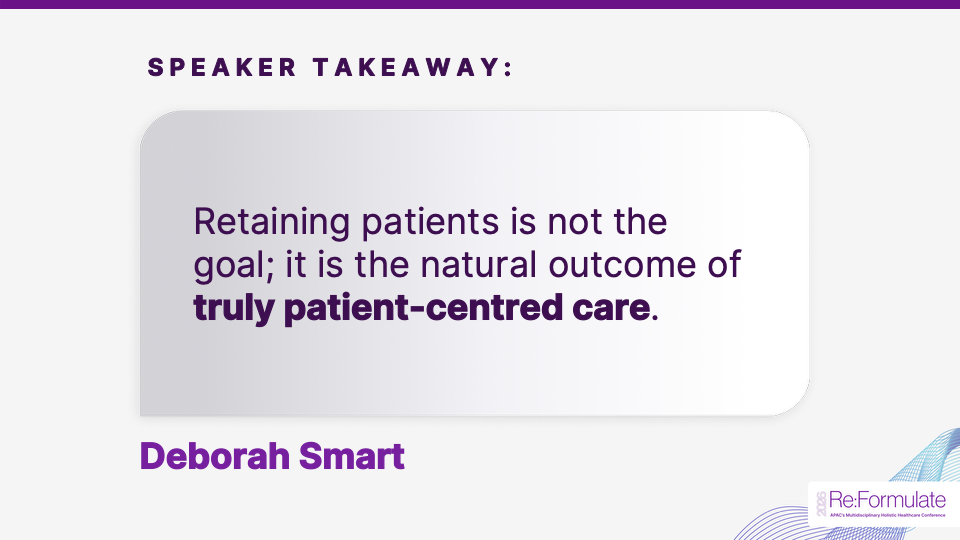
Deborah said that retaining patients is not the goal; it is the natural outcome of truly patient-centred care.
Re:Call Clinical Challenge
After a break for Afternoon Tea, we came back for the final session of the day, which opened with the Re:Call Clinical Challenge.
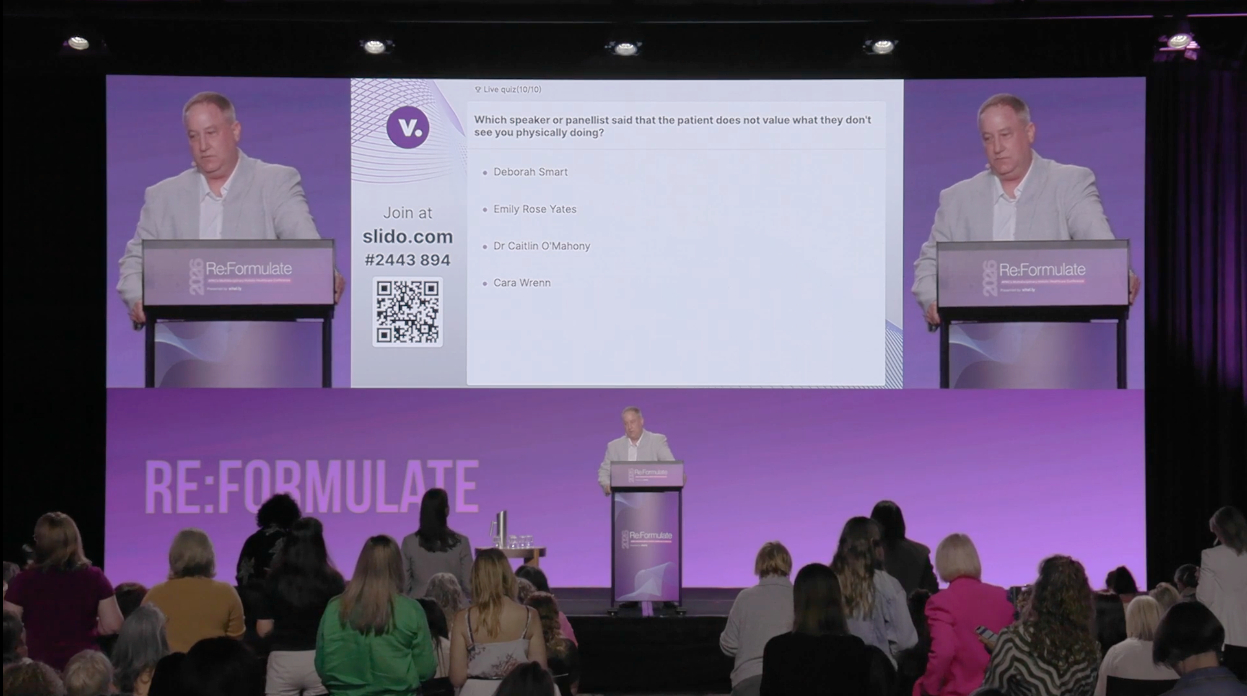
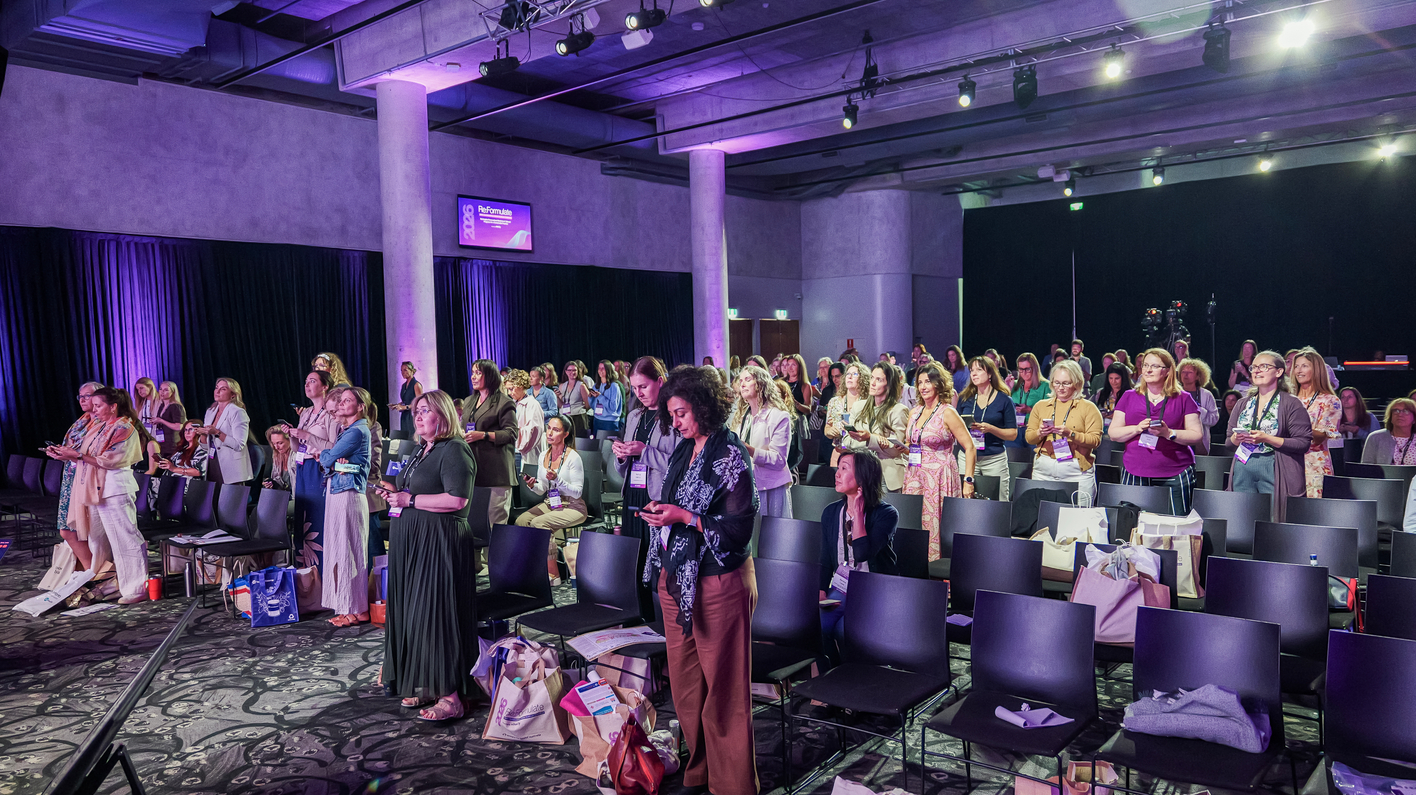
This quiz was designed to get us on our feet and test our memory of what we’d learned thus far. Using our smartphones, we raced to answer 10 multiple-choice questions to see who was the quickest and most accurate. The live leaderboard got the competitive energy flowing in the room.
Candice Stevens, a nutritionist from Victoria, won the 2026 Re:Call Clinical Challenge with a perfect 10 out of 10 in the fastest time of 1 minute and 16 seconds, earning a free ticket to Re:Formulate 2027.
The Perfect 10/10 Scores
.png)
Session 7
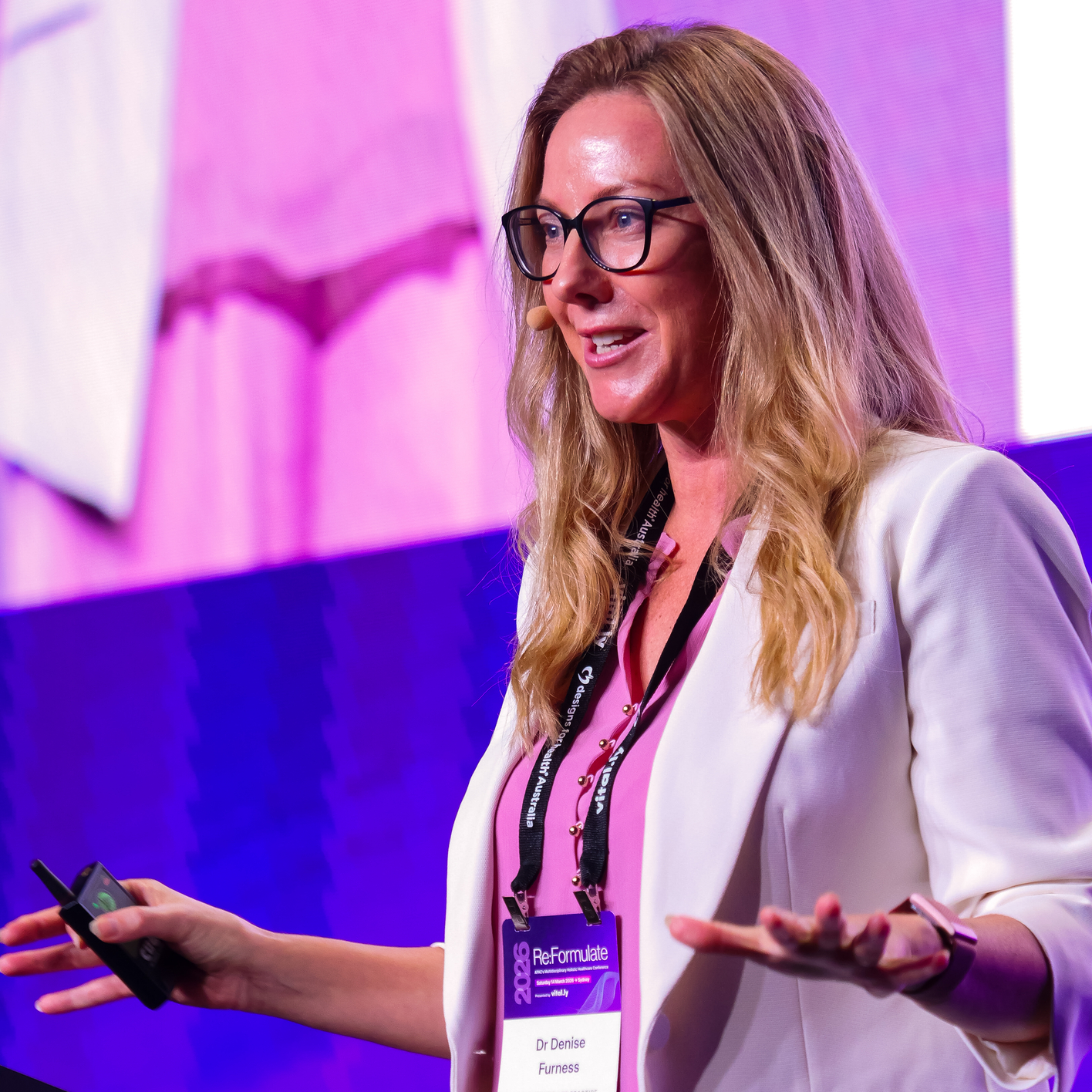
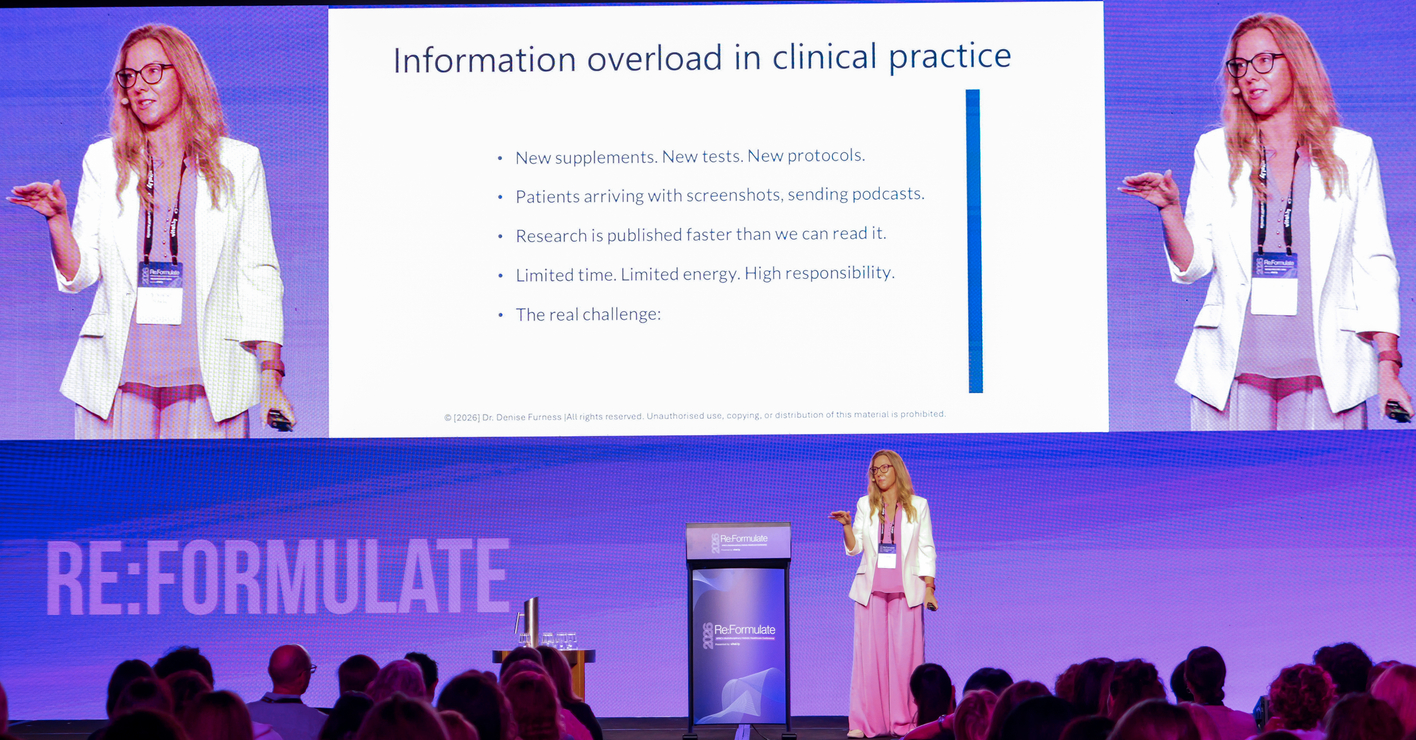
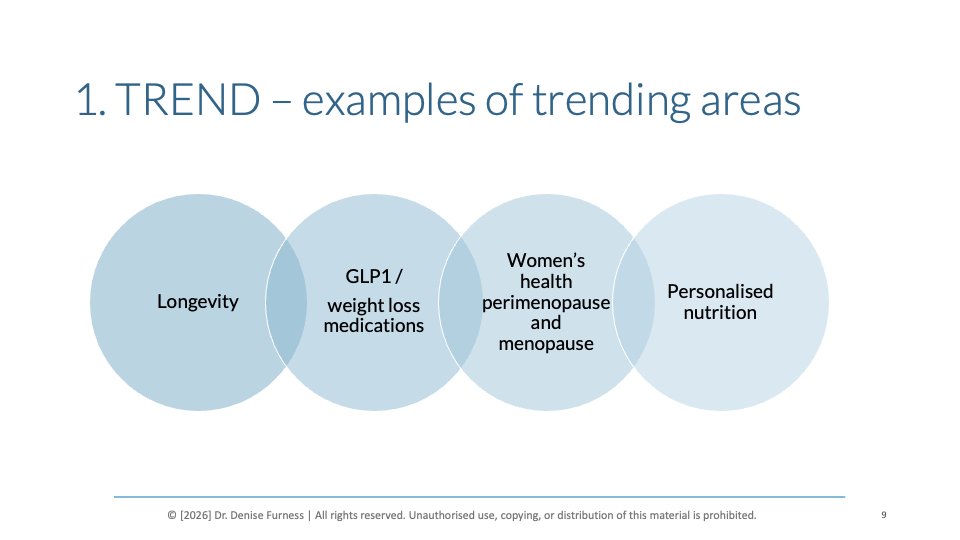
We then moved into the seventh and final talk for the day: ‘Evidence-Led Practice: How to Translate the Latest Research into Clinical Outcomes’ with Dr Denise Furness.
Dr Furness is a globally recognised scientist and functional geneticist with over 20 years of experience in nutrigenomics, methylation, and personalised health. She founded Your Genes and Nutrition to translate science into practical applications. Through her Academy for Precision Health, she shows how research translates into clinical outcomes.
In a high-energy talk, Dr Furness spoke on how the shift from being evidence-aware to evidence-integrated is the key hallmark of an Evidence-Led Practice, not just being aware of new research, but evolving with it.
This session took a practical look at how we can interpret research and act on it to refine and advance our treatment approach. If we call ourselves evidence-led, we have to be willing to change our practice when the science updates. It is not about what is easiest or most familiar; it is about what best serves the patient sitting in front of us.
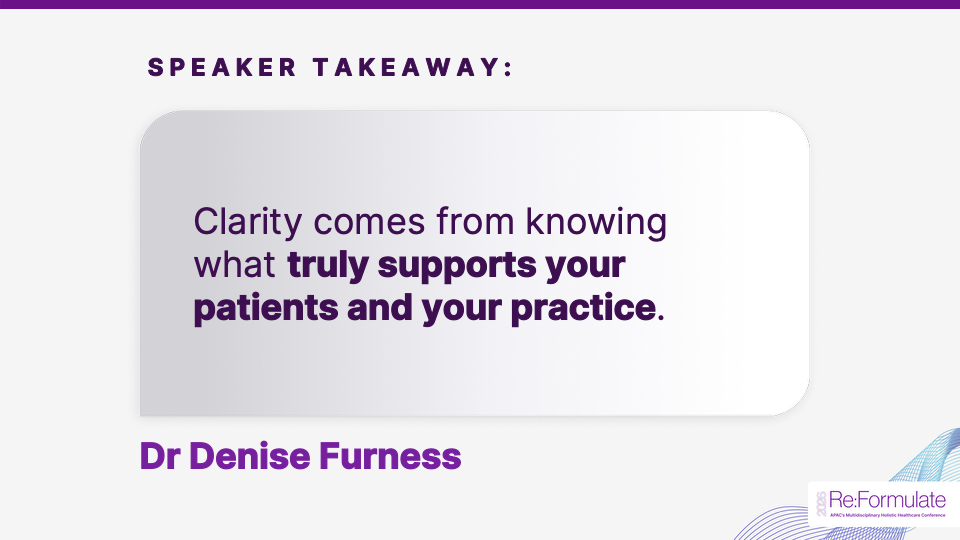
Dr Furness said that in a rapidly evolving field, clarity does not come from more information. It comes from knowing what truly supports our patients and our practice.
Seven sessions, each one a chapter in a bigger story - delivering deeply individualised care at scale without compromising outcomes or your own longevity practice.
Prize Giveaways
But the day was not over just yet. There were 27 Sponsor prizes to be given away to attendees who participated in the Re:Connect Partner Program throughout the day.
This program used QR codes within a personalised event app to encourage attendees to visit participating Sponsors’ booths in the Exhibition Hall, with each visit giving attendees another chance in the prize draw (and double the chances if all Partner booths were visited and scanned).
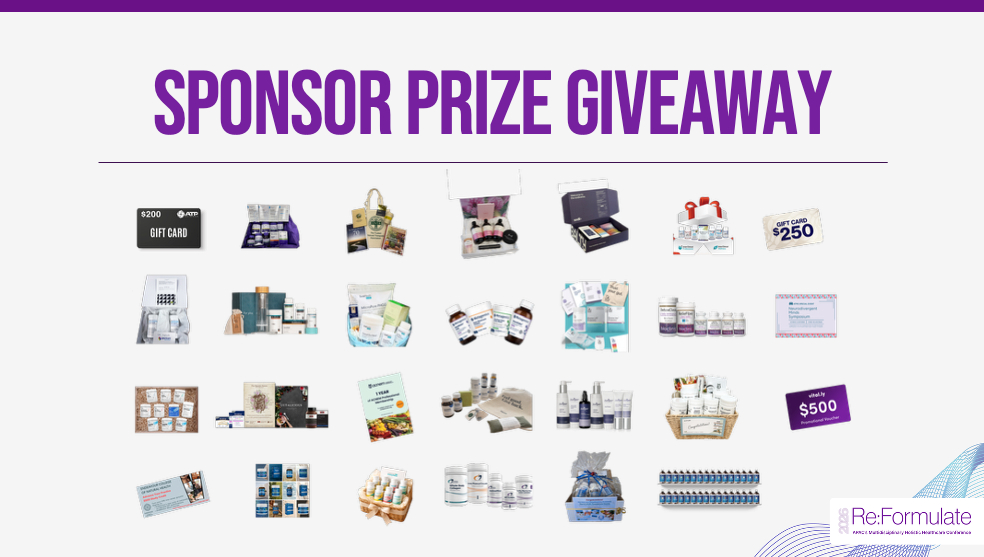
Twenty-seven winners were announced on stage and were able to collect their prizes at the Information Booth on their way out. Congratulations to the winners: Lina Capovilla, Lorraine English, Emma De Ferranti, Elizabeth Cowley, Carrie Mcdowall, Michelle Moray, Joanna Mitolo, Kelly-Jo Griffiths, Laura Boersma, Liza Twohill, Kathryn Moloney, Melanie Makris, Sammi Mitcherson, Carolyn Bosak, Lisa Hanlon, Olga Bokalova, Michelle Rudge, Sarah Horgan, Keriann Zipperer, Catherine Pritchard, Kimmy Scott, Stephanie Carey, Zoe Castran, Helen Gomez, Christine Watson, Tanya Wright, and Marta Saracevic.
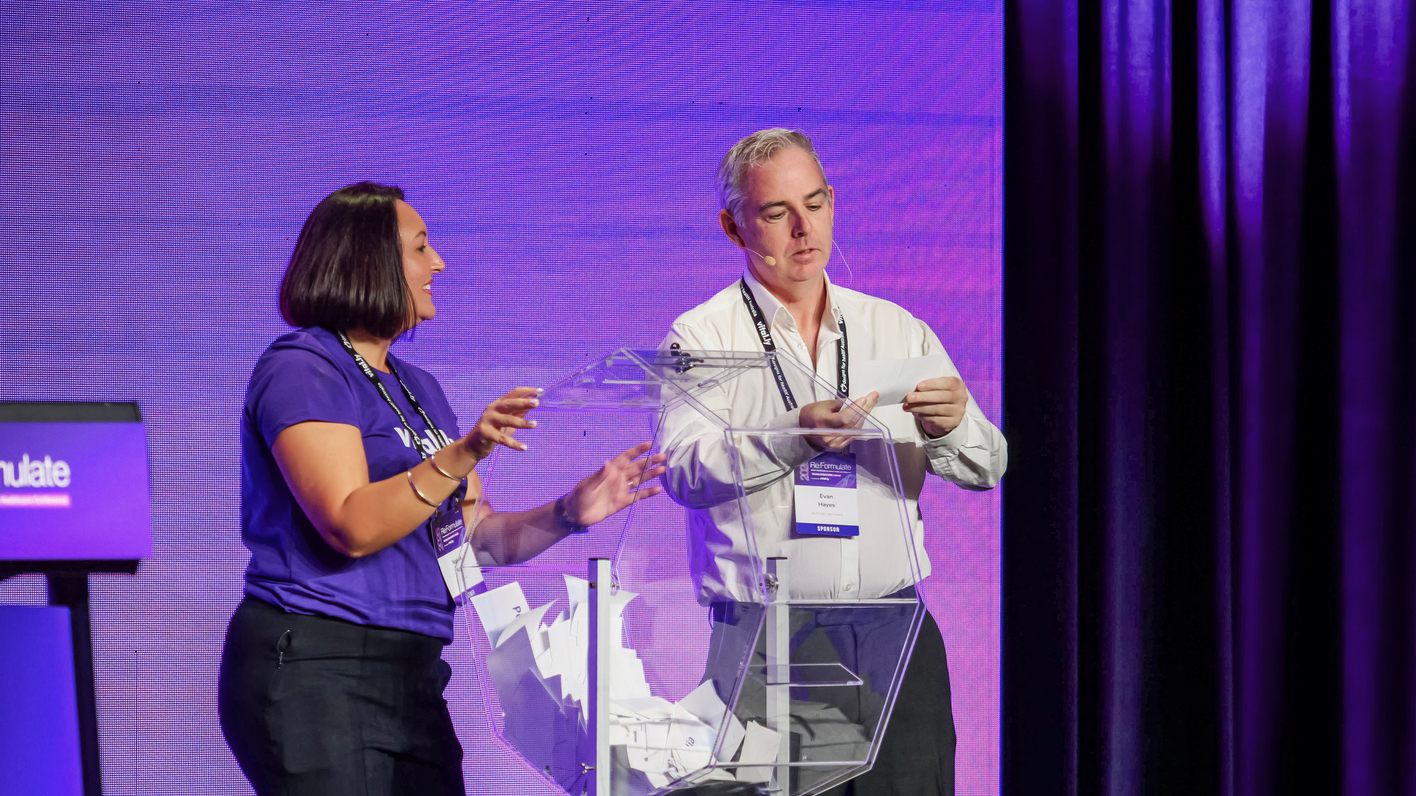
Then there was the live drawing of the day’s grand prize, the Global Practitioner Experience, a trip to Las Vegas for A4M's Longevity Fest 2026 valued at $7,000, provided by BioClinic Naturals.
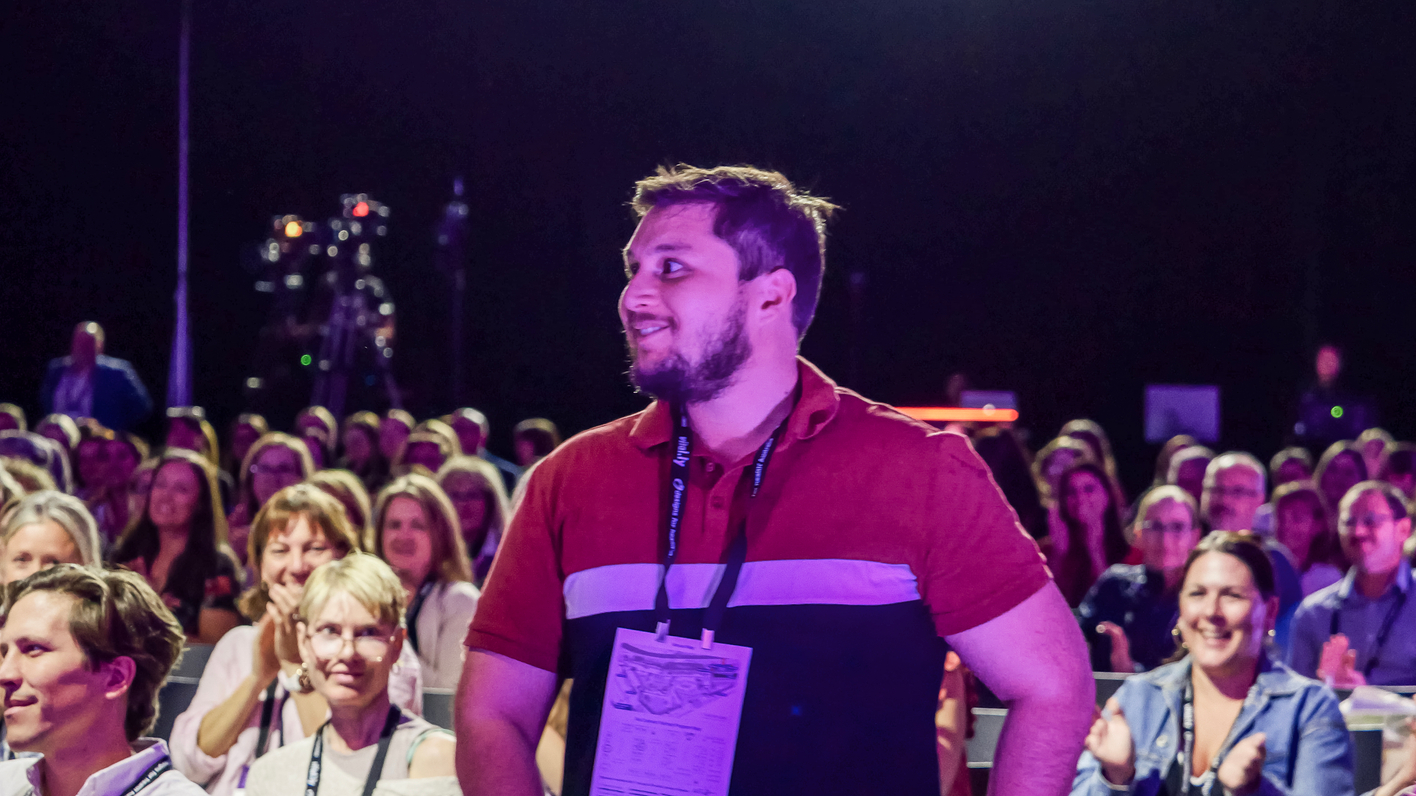
Evan Hayes from BioClinic Naturals did the honours of drawing a name from the barrel, with Jose Garcia, a chiropractor from Queensland, announced as the winner of the trip.
With the prizes all given away, the Main Stage wrapped up for the day and we were off to an hour of networking drinks in the Exhibition Hall, where it was time to embrace the challenge of the day and start making the connections between practitioners. These are the connections that build into cross-referrals and shared care models, enabling us to deliver deeply individualised care at scale without compromising outcomes or practitioner wellbeing.
The conversations continued as the sun set over Royal Randwick, ending the day with a palpable buzz across the room.
That wraps up our recap of Re:Formulate 2026. We hope you’re as excited as we are to see what comes next at Re:Formulate 2027!